Training Camp Battles Set Prop Baselines: QB Uncertainty in Cleveland and Atlanta Points to Volatility
By Ty Whitney ·
Early-camp performance gaps between starters and backups are crystallizing depth chart decisions that will reshape passing volume and TD distribution for the season.
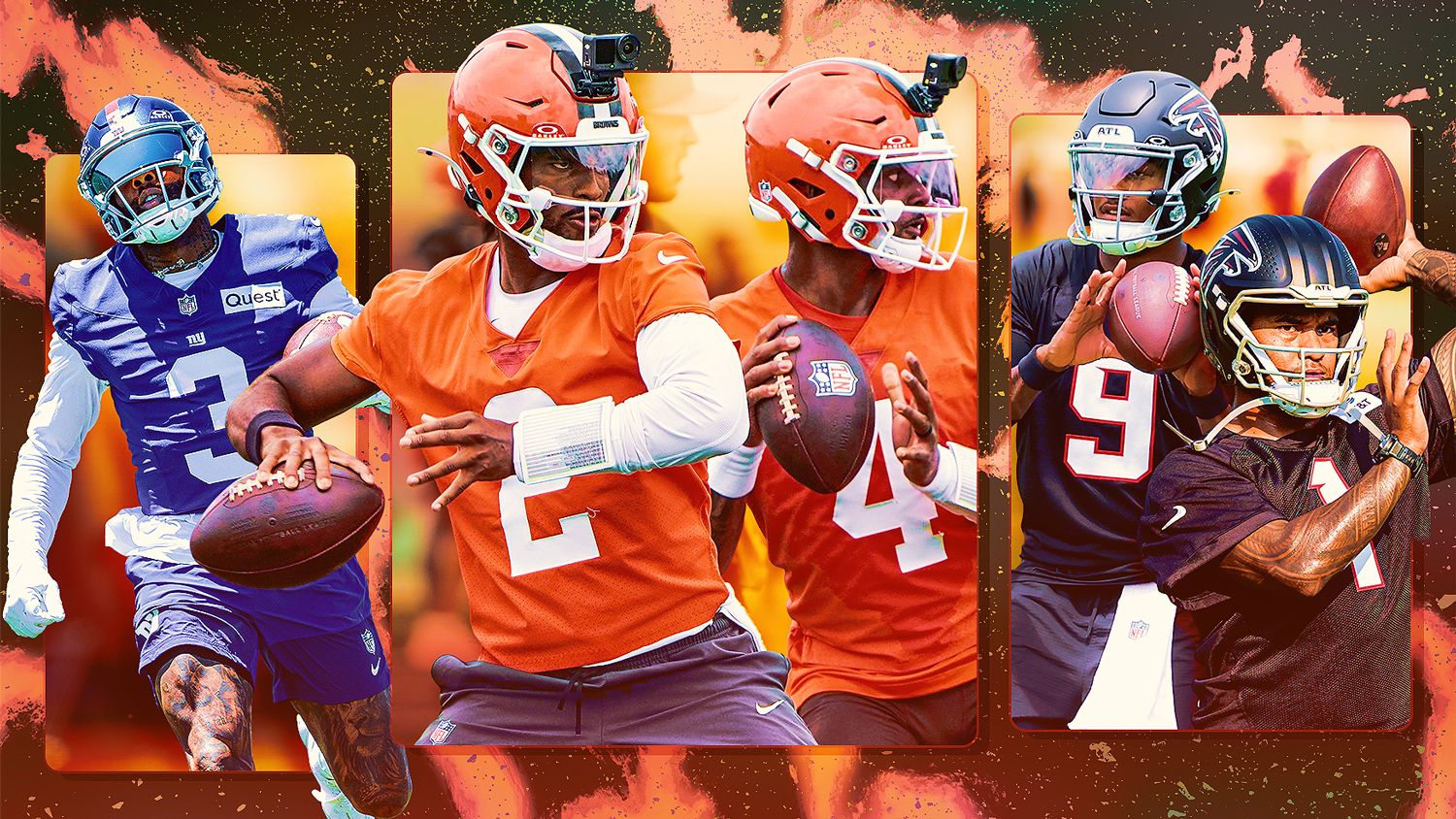
Training camps across the NFL are now underway, and the position battles unfolding on practice fields are doing real work—not just deciding who starts Week 1, but establishing the offensive pecking orders that will anchor prop betting lines through the preseason and into the regular season. The clearest flashpoint: quarterback races in Cleveland and Atlanta, where organizational uncertainty is forcing coaches to evaluate whether incumbent arms can hold their jobs or whether younger competition has closed the gap enough to justify a change.
These QB battles matter for prop construction because they determine not just volume (passing yards, attempts per game) but also volatility. A starter who feels his job security slipping often plays differently in practice and preseason—more aggressive in the red zone, fewer conservative dump-offs, higher interception variance. A backup pressing for reps runs at higher tempo and forces decision-making into tighter windows. When a team is genuinely split between two capable arms, that uncertainty bleeds into early-season lines: sportsbooks will shade passing yards and touchdown props conservatively because they don't yet know which QB version they're pricing. The market is still building its comp file.
Training camp also accelerates receiver integration and offensive line cohesion in ways that directly affect prop edges. Receivers who are new to a system (free agents, trades, draft picks moving into early routes) will have noisy early-camp tape but show sharp improvement once installation locks in. Offensive line battles—particularly when backups or draft picks are winning reps—shift pressure-to-sack ratios and time-to-throw windows, which cascades into passing accuracy metrics and yards-per-attempt floors. The teams that resolve their depth questions early and cleanly will have cleaner prop baselines by Week 1; the teams still fighting internal battles (Cleveland, Atlanta, and several others tracking preseason hold-ins) will trade execution clarity for line volatility.
For bettors, the practical edge is counterintuitive: avoid passing yards and TD props on teams whose training camp tape shows muddled QB hierarchies until after the first preseason game. That single game will settle more than a week of training camp gossip because actual game speed reveals decision-making gaps that practice cannot hide. The flip side—teams with clear, dominant starter performances in early camp (Minnesota's Kyler Murray "near flawless" in reports, for instance)—can support tighter passing yards ranges and higher TD confidence sooner. Early camp clarity compounds into line accuracy; muddy camps invite corrections once preseason data arrives.
Another lever: receiver and defensive secondary battles cascading into completion percentages and TD-to-interception ratios. When a team's secondary is fragmented (new corners, injuries, rotation instability), offenses see wider completion windows in camp, which can overstate passing efficiency relative to what Week 1 looks like. Conversely, offenses featuring new receivers or rookie skill talent might show depressed catch rates in early camp but post sharp preseason correction once they settle into route trees. These gaps between training camp optics and preseason/regular-season reality are where market overreaction lives.