Contract Extensions Shape 2026 Roster Risk: What the Summer Negotiations Mean for Week 1 Leverage
By Erik Schwartz ·
As 32 teams lock in stars before training camp, extension deals signal internal confidence—and create volatility windows for props on aging rosters.
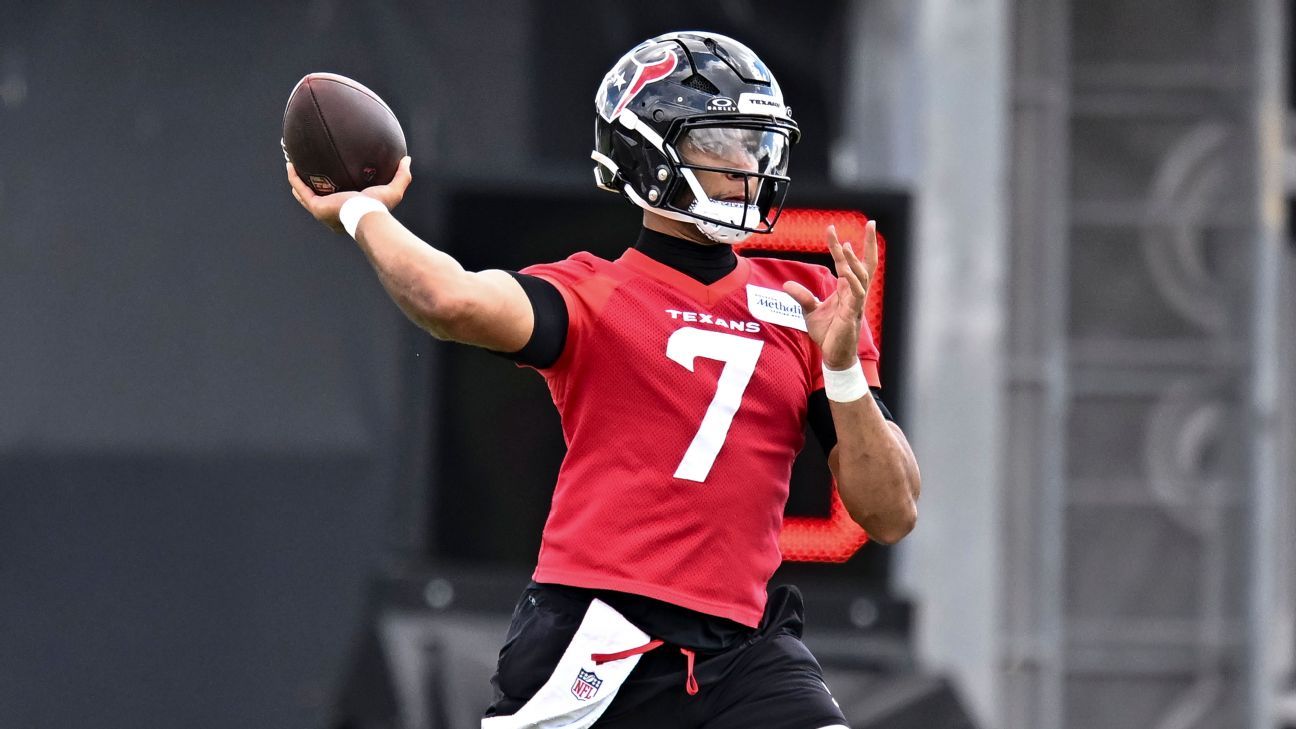
The NFL's offseason machinery is grinding toward training camp, now weeks away, and the contract negotiation landscape has begun to crystallize. The Falcons locked in tight end Kyle Pitts with a three-year, $54M extension, while the Titans agreed to a $105.8M deal with defensive tackle Simmons. These moves, reported across ESPN's team-beat network, represent the franchise's betting-the-table decisions—the players they're committing capital to before the regular season arrives.
What matters here isn't just the dollar sign. When a team extends a player mid-offseason rather than carrying uncertainty into camp, it's a valuation tell. The Falcons, in particular, are signaling that Pitts remains central to their pass-catchers ecosystem despite his injury history and the team's rebuild posture. That decision pulls capital away from other positions and hints at offensive architecture: if Pitts is the locked-in weapon, then the Falcons are building around tight-end-heavy play-calling. For prop purposes, this means Pitts' snap share and target allocation become more predictable. The contract doesn't guarantee production—it guarantees opportunity.
The broader theme: stars getting extended early in summer preserve roster flexibility heading into training camp and reduce the noise around holdouts or franchise-tag standoffs. Teams that move fast on extensions (Falcons, Titans) are signaling confidence in their QB-to-star-weapon pipeline. But confidence ≠ efficiency. A team that overpays in July often compensates elsewhere in September, which can reshape secondary receiving options and defensive snap counts as budget constraints tighten once the season starts.
For prop bettors, extension velocity matters more than the headline number. Pitts' deal signals the Falcons' commitment to vertical passing and short-area targets. If he stays healthy through camp, his receptions and receiving-yards lines should reflect elevated volume. But early-summer extensions also tend to be priced optimistically by the market—the buyer's enthusiasm is newest. Watch whether Pitts' props trade tighter or looser than his historical-usage ranges once preseason data arrives. Teams often extend players right before a down production year because they're trying to lock in past performance; the contract negotiation itself can be a contra-indicator if the player's snap count or role is already declining. Monitor training camp reports on his conditioning and role definition before betting into the contract's post-signature hype.
The Titans-Simmons extension ($105.8M) speaks to a different angle: investing in run defense in a passing league. If Simmons' deal locks him into a higher snap-share guarantee, his tackle totals may rise, but it also signals that Tennessee's defensive scheme is staying base-heavy—a constraint on opposing running backs but also on pass-rush volume. These extensions are organizational breadcrumbs; read them as coaching intent, not just wage inflation.