The Contract Cascade: How Star Extensions Shape Week 1 Readiness and Roster Leverage
By Ty Whitney ·
When top talent holds out for guaranteed money, training camp absences ripple into September performance—and create measurable edges on team totals and offensive prop volume.
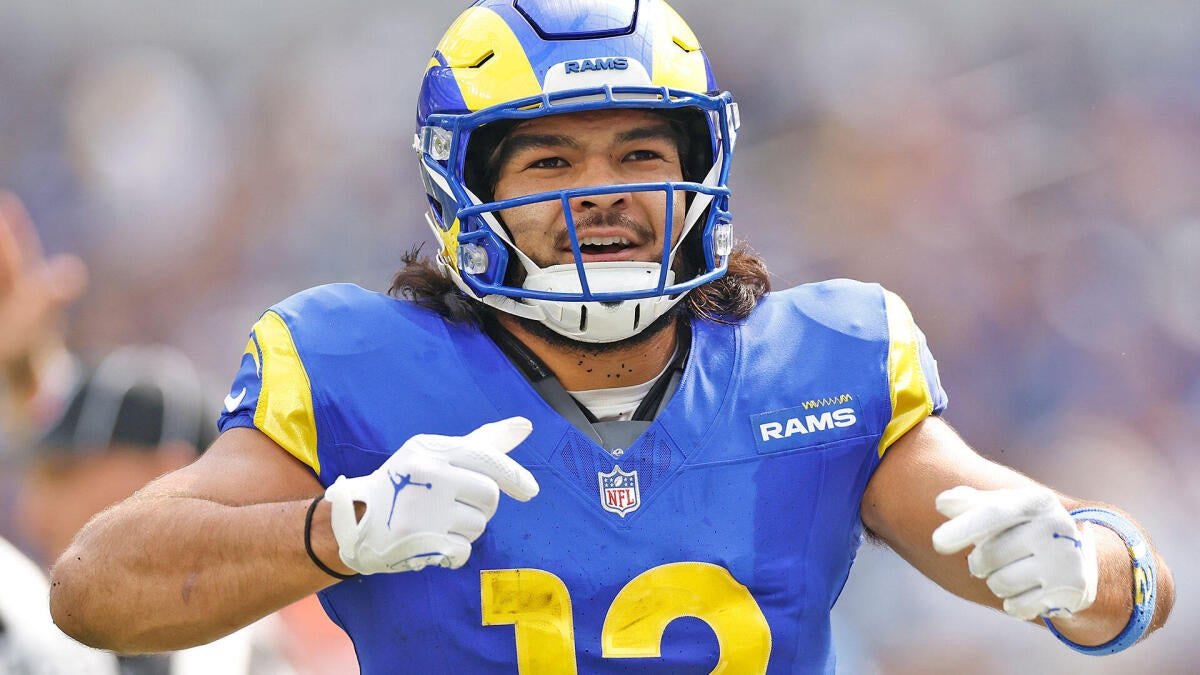
The NFL's extension season has turned August into a leverage game, and not all holdouts carry equal risk. Per reporting, Jahmyr Gibbs remains absent from Detroit Lions training camp as he awaits a running back extension that's been reset upward by Bijan Robinson's recent $22.5 million average deal with Atlanta. The Robinson extension—completed roughly four weeks ago—fundamentally altered the market floor. When the highest-paid player at your position just reset higher, and your team has already invested a first-round pick in you, the calculus shifts. Gibbs' absence extends into what's typically the final phase of camp conditioning and install work, the weeks where timing and confidence in route trees matters most.
Devon Witherspoon in Seattle, Puka Nacua in Los Angeles, and others navigating extension talks face the same fork: sign soon and catch the end of camp, or sit out and negotiate from a position of visibility heading into Week 1. The timing window here is narrow—we are now in early August, and the regular season opens in approximately 50 days. Teams have motive to get deals done fast, but players know that leverage peaks when the offense hasn't built chemistry yet. A week of missed team drills costs more in September than it does in July.
For prop bettors, this creates a specific tension: extended absences from key skill-position players compress ramp-up time and increase Week 1 volatility in team totals and passing volume. When a lead receiver (Nacua) or a primary checkdown target (Gibbs) misses the final week of install, defenses haven't seen how many snaps they'll actually play, and offensive coordinators may rely more heavily on pre-scripted plays and safer targets—suppressing yardage and touchdown upside. Conversely, defenses facing rusty chemistry often struggle early, which can inflate totals. The real edge sits in DEVIATION from projected volume: if a player's contract signals a likely Week 1 return but limited game conditioning, his receptions/yards props may price in full-game usage when snap counts are likely capped at 60-70%.
Gibbs, specifically, presents a clear lever. He finished 2025 with 49 total touchdowns in his first three seasons—an NFL record—and is central to Detroit's offensive design. But a holdout resolved in mid-August means roughly 10-14 practice days before Week 1 games. That's not enough to replicate late-season snap distribution against a live defense. Oddsmakers typically don't adjust receiving/rushing volume lines for sub-14-day ramp windows; they assume full deployment. This is where the edge lives: fade or shade DOWN his early-week yardage and receiving props (particularly first-game totals) until there's clear evidence of conditioning and snap-count return. The same applies to Nacua if his hold extends another week. Conversely, team passing totals for teams WITH available receivers may rise if lead targets are absent across the division.
The broader play is directional: extensions that resolve AFTER August 15 carry material Week 1 snap-count risk for the extended player. Build small positions on UNDER yardage and reception totals for holdout-resolved stars in Week 1 specifically, then re-evaluate after they've logged a full game.