Darnold Out, Lock In: Seattle's Week 2 QB Pivot and the Passing-Game Shuffle
By Ty Whitney ·
Sam Darnold's glute injury forces the Seahawks to start Drew Lock against Arizona—a significant downgrade that reshapes Seattle's aerial attack and punishes early exposure to the passing game.
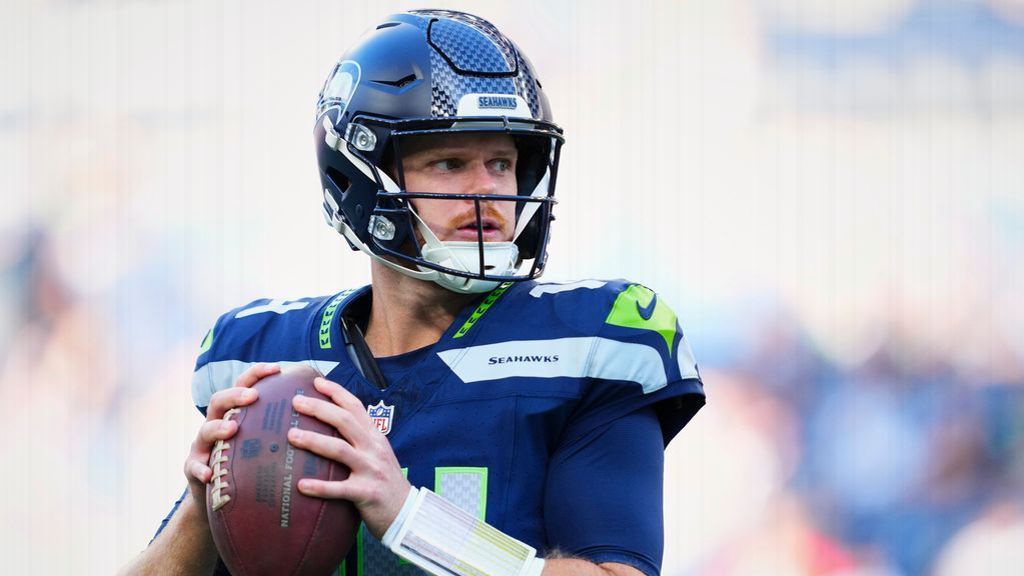
The Seattle Seahawks ruled out quarterback Sam Darnold for Sunday's matchup against the Arizona Cardinals, ending a short-lived starting tenure that began just four days earlier. Darnold suffered a right-glute injury on the fifth play of Wednesday's season opener against New England and required overnight hospitalization at Harborview Medical Center for imaging and pain management. The team's characterization of the injury as "very unique soft-tissue" suggests neither structural damage nor long-term concern, but the pain threshold is high enough to sideline him for Week 2. Drew Lock, who entered that Patriots game in relief and steered Seattle to a 13-10 win, is now the starter against Arizona.
Lock hasn't taken a meaningful snap in a live game since 2024, a gap of two full seasons. His physical tools remain intact—arm strength, mobility in structure—but the cognitive cost of a two-year absence is real. NFL systems evolve. Coverage progressions tighten. The Cardinals' secondary, while not elite, will test his decision-making with aggressive safety rotations and corner blitzes that reward split-second processing. In practice reps and walkthroughs, Lock can appear competent. In live chaos, the margin between serviceable and turnovers compresses fast. Mike Macdonald's Seattle offense is built on rhythm and timing, especially in the vertical passing game where Darnold had begun to show command. Lock's uncertainty extends to that timing.
The immediate prop implication cuts across three layers: Seattle's passing volume will likely flatten, Lock's individual passing yards and touchdown totals should be discounted relative to season-long player prop expectations, and any moneyline or spread adjustment favoring the Seahawks may overcorrect in the other direction. Arizona's defense ranked 22nd in pass DVOA last season and has done nothing to improve its secondary this offseason. That scheme should theoretically be favorable for Lock. But favorability assumes execution, and a two-year-absent starter operating in a unfamiliar offensive rhythm typically understates completion percentage and overstates sack rate. The Cardinals will likely sell out on single-high coverage to invite the run, which is fine—Seattle's running game can absorb that. But when the Seahawks do pass, Lock will face one-on-one boundary pressure sooner than he saw in the Patriots relief appearance, when New England's vanilla coverage was already on its heels.
For Week 2 prop markets, Darnold's absence creates a one-week crater, not a season trend. Overreaction to a relief appearance (Lock 13-for-19, 131 yards, one TD in a blowout environment) is likely baked into early lock odds. Sharp money has probably already backed off Seattle passing totals and Lock prop lines relative to Darnold's Week 1 precedent. The edge on Sunday tilts toward fading the Seahawks' pass-volume totals—particularly team passing yards at any close number—because Lock will face tighter margin-of-error situations and the offense will dial up run plays to minimize his exposure. Arizona's weak secondary becomes less relevant when Seattle chooses not to attack it. Monitor Lock's practice reps Wednesday and Thursday; limited availability in those sessions (even just throwing periods, no full drills) would further compress his comfort level and justify leans toward under on his passing-yards prop and team totals.
The medium-term picture: Darnold's glute pain and imaging results will determine whether he returns for Week 3 against Washington or Week 4 against the Chargers. The Seahawks' public messaging—no IR talk, "not out long term"—suggests a 1-to-2 week absence is the base case. If that holds, Lock's exposure is a one-week blip. But any setback in Darnold's recovery (re-imaging, delayed return-to-play clearance, or soft-tissue flare-up) extends Lock's tenure and warps season-long prop expectations for Seattle's entire passing attack. For now, treat this as a single-game edge: the market has likely over-indexed on Lock's relief success and under-indexed on the cognitive gap between garbage-time throws and a full game plan against a focused defense.