Jackson Extension Delay Tilts Ravens Into 2027: What It Means for 2026 Stability
By Erik Schwartz ·
A restructure in March, silence on talks since, and reports of a $84M cap charge next year signal the Ravens and their two-time MVP are playing a patient game—but the clock is ticking on when Jackson will actually commit.
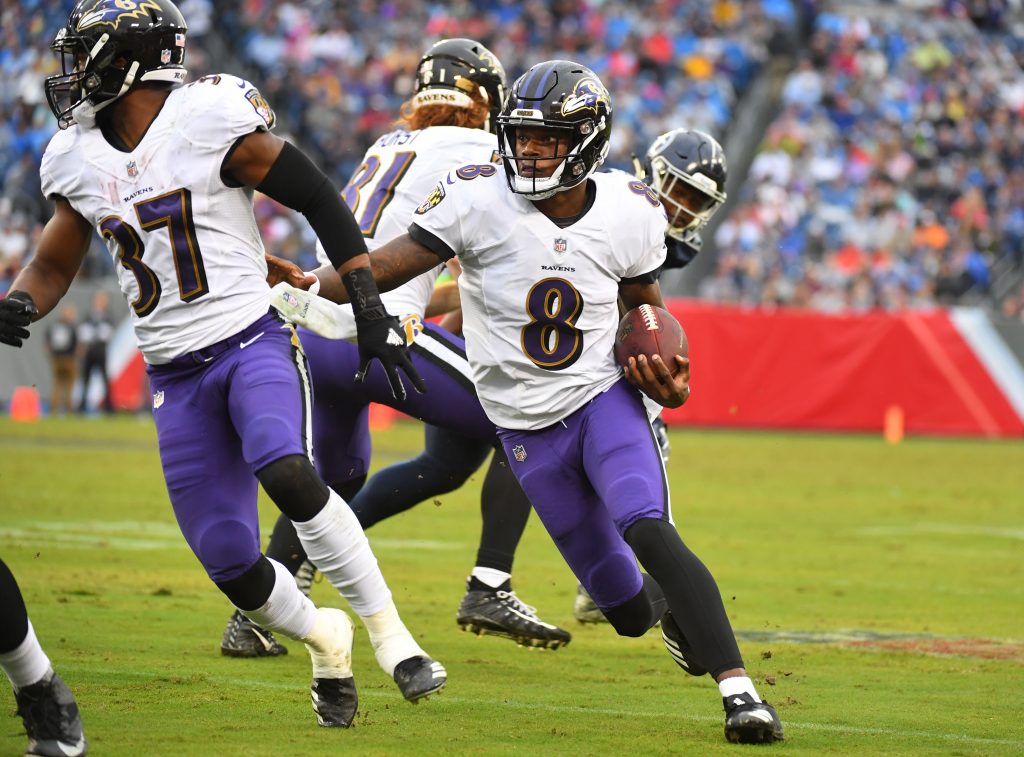
Lamar Jackson and the Baltimore Ravens are headed for a contract standoff that won't resolve until the 2027 offseason at the earliest, according to reporting from The Athletic and NFL Network. The two-time MVP remains under club control through 2027, and while owner Steve Bisciotti has privately made clear his desire to extend Jackson long-term, no tangible progress has materialized in the five weeks since the 2026 offseason began. The silence is deliberate: Jackson's camp historically avoids media leaks, and the Ravens reciprocate the discretion. But the absence of headlines is not a signal of imminent agreement.
The mechanics here favor patience on both sides. The Ravens executed a maximum restructure on Jackson's 2026 contract in March—a move that freed cap space for immediate roster moves but created a $84.34 million salary-cap charge for 2027. That restructure is the clearest tell: teams do not typically restructure a star quarterback and negotiate a multi-year extension in the same calendar year. That pattern, combined with Jackson's 2025 performance (injury-marred and subpar by his own elite standard), suggests he may prefer to prove himself fully healthy in 2026 before locking into a deal. Rapoport's May reporting that the extension is "more likely to be finalized in 2027" has held firm; the Ravens appear aligned with that timeline. Neither side has signaled urgency, and the relationship, while strained during portions of last season, remains intact.
For the Ravens, 2026 becomes a prove-it season by proxy. Jackson's base salary is north of $50 million this year, and the team has already mortgaged future cap flexibility to field a contender now. If Jackson returns to MVP form and the Ravens make a playoff run, the extension conversation in January 2027 will be straightforward. If he struggles or the team underperforms, that $84M cap hit next year becomes a sword of Damocles—the Ravens could release him post-June 1 and spread the dead-money blow across 2027-2028, but that nuclear option only makes sense if the relationship actually deteriorates, which neither party is suggesting will happen.
For bettors, this contract limbo does not materially change 2026 Ravens betting patterns—Jackson is fully available this season, and his compensation structure is irrelevant to his on-field performance. What matters is the psychological texture: the Ravens face a season where every Jackson incompletion, turnover, or injury will be scrutinized through the lens of 2027 cap flexibility and extension viability. If Jackson plays lights-out and Baltimore wins 10+ games, the extension is ceremonial. If he disappoints, the team's hand weakens even though they won't actually move on. This means the Ravens' regular-season passing game props—Jackson's yards, touchdowns, and interceptions—are worth monitoring for volatility around narrative inflection points (a three-game losing streak in November, a playoff push in December). Sharp action on Ravens season win totals and playoff odds will track Jackson's health and performance more obsessively than usual because the 2027 decision tree hangs over every outcome.
The betting takeaway is not directional—Jackson will play in 2026, full stop—but temporal: be cautious of early-season overreaction to small sample sizes. Ravens passing props will be subject to sharper-than-normal variance as the market prices both on-field performance and contract narrative in tandem.