Patriots' 2026 Regression Bet: Why the Under 10.5 Wins Has Real Teeth
By Ty Whitney ·
New England's 2025 miracle run disguised a team built on schedule luck and organizational volatility — both of which flip hard in 2026.
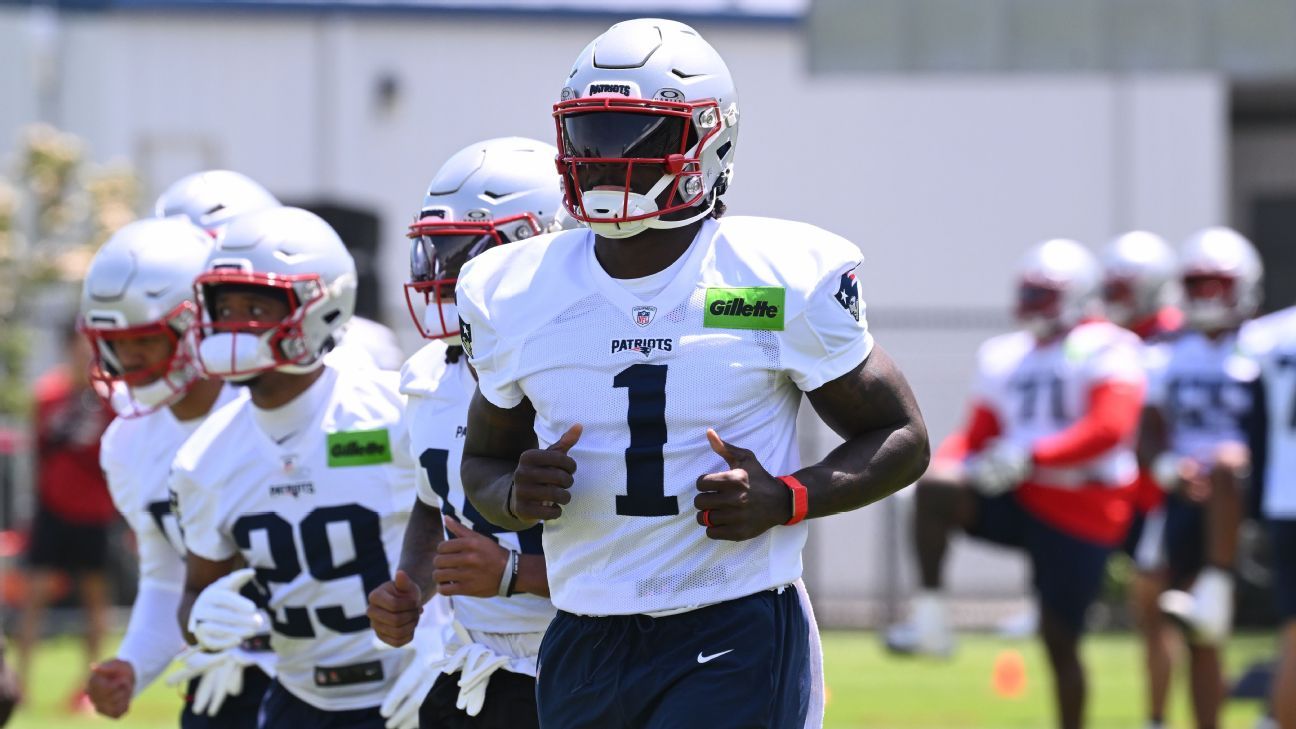
The New England Patriots won 14 games last season and made the Super Bowl as 75-1 underdogs. That headline is technically true and entirely misleading. Per ESPN, the Pats benefited from one of the softest schedules in the league, cashed covers at a league-leading clip (12 of 17 games), and rode Drake Maye's sophomore emergence to an improbable championship run. But the structure underneath that success — soft slate, unsustainable cover rate, first-place opponents deferred to 2026 — was always going to regress. The market is pricing them as a contender again. It shouldn't.
Mike Vrabel's offseason has been a study in self-inflicted damage. The new head coach inherited a playoff team, traded for A.J. Brown to bolster the passing game (which already ranked third in yards per game), and promptly generated enough distraction and uncertainty that internal stability became a question. Organization-wide chaos doesn't always translate to Ws and Ls in a direct way — teams can compartmentalize — but it does narrow margins. When your path forward already requires near-perfect execution, manufactured turbulence is a real tax.
The math on the 2025 season is instructive. New England went 11-6 against the over despite league-leading cover efficiency. That's margin-of-error territory: one fewer win and they're at 13, suddenly under the Vegas forecast. Now flip the variables. First-place schedule replaces cupcake slate. Mike Clay's projection is 10 wins — significantly below the 10.5 line. The margin for error doesn't shrink; it inverts. Maye remains a ceiling-raiser at quarterback, but young QBs with new pass catchers and coaching staff transitions are high-variance propositions. Brown adds elite WR talent, but his arrival alone doesn't erase the step up in competition.
From a betting architecture, the under 10.5 wins at -140 captures two separable edges: (1) the schedule effect is enormous — first-place divisions are typically 2-3 wins harder than bottom-dwellers, and Clay's 10-win projection already factors that; (2) the organizational distraction tail risk isn't fully priced because the market weights recent success too heavily. The 2025 run was real. The 2026 preconditions are not. Even modest negative variance — injuries, Brown's integration lag, Vrabel's early-season command clarity — could land New England at 8 or 9 wins. The line assumes they absorb the schedule hit and still win 11-plus. That's not conservatism. That's momentum pricing.
The under 10.5 is durable because it doesn't rest on a single outlier game or a flash-in-the-pan metric. It rests on schedule difficulty (verifiable), projection consensus (Clay's 10 vs. Vegas' 10.5 implied floor), and organizational volatility (documented). None of those fade in two weeks.