NFC North Win Totals 2026: The Bears' Regression Trap and the Lions' Injury Anomaly
By PropBetEdge Editorial Team ·
Chicago's fortunate fourth-quarter wins and historically dominant defense created unsustainable leverage; Detroit's 10.5 line ignores the real injury story behind last year's collapse.
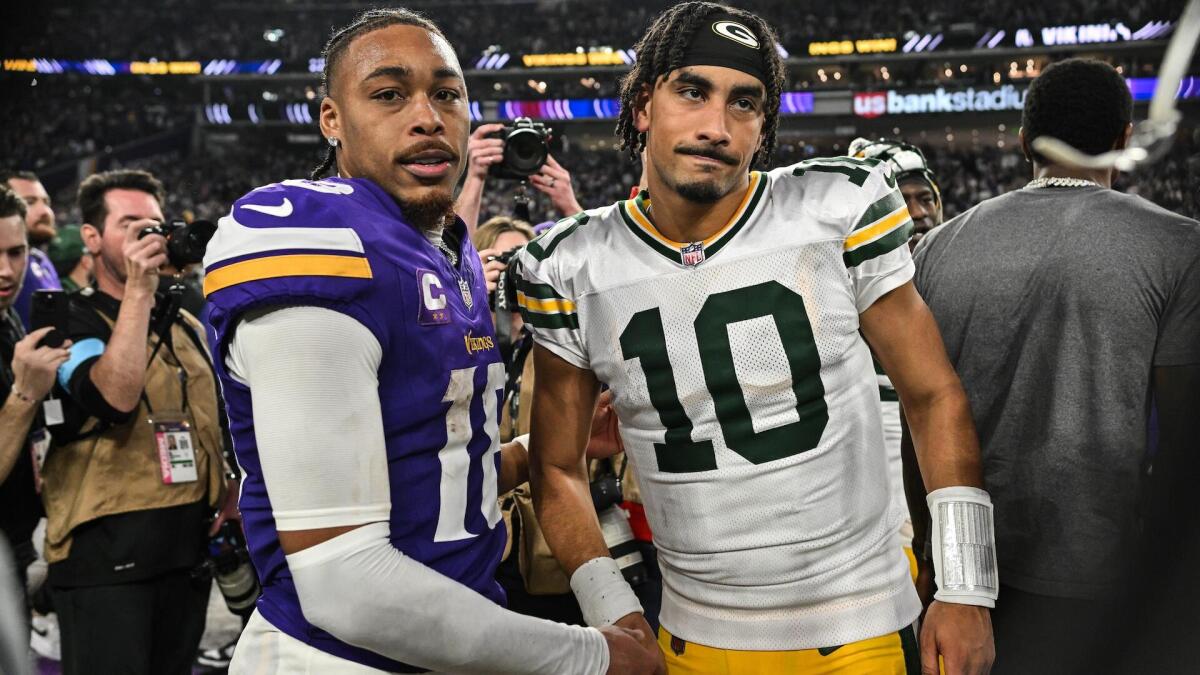
The 2026 NFC North season-win markets are mispacing the volatility hidden inside last year's outcomes. Chicago rode a historic wave—11 wins including seven come-from-behind fourth-quarter victories—to claim the division crown and a playoff upset over Green Bay. That's real. But the Bears also led the league with 33 takeaways and lost three cornerstone defenders (Kevin Byard, Nahshon Wright, Tremaine Edmunds) in the offseason. Detroit, conversely, collapsed to 9-8 after losing coordinators Ben Johnson and Aaron Glenn, yet the books haven't fully recalibrated for why.
The Bears face the NFL's toughest strength of schedule (.550 opponent win percentage) and own a troubling historical marker: teams entering a season with the worst SOS have gone 0-10-1 in playoff qualification over the past 12 years. More pressing is the statistical reversion. Caleb Williams improved his mechanics and completion rate from his rookie year, and Luther Burden III showed flashes of second-year growth—but relying on seven fourth-quarter miracles to repeat is a bettor's trap. The defense's 33-takeaway mark ranks at historical extremes; the regression vector isn't subtle. The 9.5 over has gone 10-2-1 across the past dozen seasons, and Chicago hasn't cleared consecutive year-over-year preseason win projections since 2006. The over at plus money attracts believers in Williams' continued ascent and Johnson's offensive architecture, but the pain lives in the details: that turnovers metric won't hold, and the secondary overhaul is real.
Detroit's 10.5 line sits unchanged for a third straight season, yet the context has shifted materially. Last year's 9-8 finish looks less like decline and more like unavoidable attrition—31 missed games from Week 1 secondary starters created a waterfall effect through coverage grades and pressure windows. Jared Goff has posted four straight seasons leading the league in passing yards and passing touchdowns. Jahmyr Gibbs eclipsed all historical touchdown pace for first-three-season running backs. Amon-Ra St. Brown, Jameson Williams, and Sam LaPorta anchor a receiving corps that can absorb situational variance. The Lions' 2025 secondary injuries were not structural—they were temporal. Returning health alone should bump the win total closer to 11.5 or 12, especially if the secondary returns to something resembling 2024 form.
For the bears over 9.5, the mechanism works only if you believe in Williams' third-year trajectory and Johnson's system continuity offsetting defensive turnover regression. That's a live argument, but the books priced in the SOS weight and historical fourth-quarter regression already. The edge is thin; the over was a decent lean at +100 odds pre-draft, but line movement toward -120 or tighter erases the margin. For Detroit, the 10.5 under at -110 looks attractive on shallow belief—the market hasn't fully internalized that last year was an injury outlier, not a organizational descent. If the Lions secondary returns healthy (a material if, but one supported by recent precedent), the over lands at 11-12 wins with high confidence. The under at -110 is the true regression bet here: you're literally betting against the team's talent composition and recent health trajectory normalizing. Take the Lions over 10.5 at even money or better; fade the under.
Green Bay's Micah Parsons trade is a desperation move for a team stuck in the No. 7 seed loop. Minnesota's quarterback situation (J.J. McCarthy struggling after letting Sam Darnold walk to a Super Bowl in Seattle) is a classic miscalculation now showing up in preseason win totals. Neither reshapes the North in 2026. The real money sits on Bears under and Lions over—two positions built on distinct mechanisms rather than surface-level narrative correction.