Jacksonville's 13-Win Ceiling Masks a Betting Liability: Why the Jaguars' 2026 Outlook Is Overpriced
By Ty Whitney ·
Trevor Lawrence's breakout season and Liam Coen's system impressed, but Jacksonville's playoff-berth odds fail to account for regression in the areas that actually won games last year.
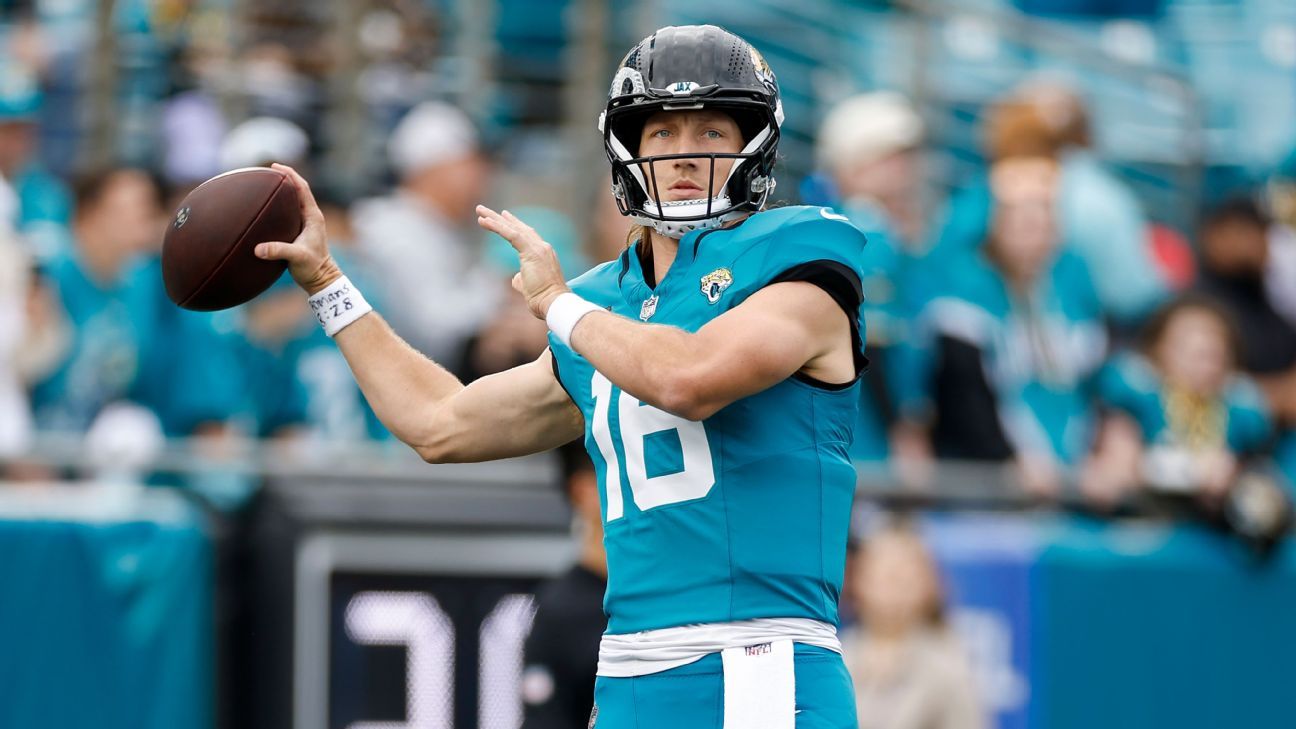
The Jacksonville Jaguars enter 2026 as the betting market's second-favorite story in the AFC South—a dangerous position. Last season they won 13 games, captured the division, and rode an eight-game win streak to a playoff berth before losing to Buffalo. To the casual bettor, that's momentum. To anyone tracking their actual decision-making, it's a mirage built on variance that won't repeat.
Start with what actually happened in 2025. Jacksonville went 6-3 in one-score games—a statistical flip of a coin that favored them in a way the league's best teams don't rely on. They also posted 31 takeaways, second in the NFL. Both of these markers are notorious regression vectors. One-score records tend toward league average (roughly 50-50) the following season. Turnover luck is even more volatile; teams that lead the league in takeaways typically drop 8-12 percent the next year simply because defensive variance doesn't compound. The Jaguars' 12-5 ATS record last season, though impressive, was purchased with thin margins—three of five losses featured blown leads in the final two minutes. That's not dysfunction. That's exposure.
The supporting cast remains respectable. Trevor Lawrence operated at his best in Liam Coen's offense, completing a transformation from question mark to legitimate starting talent. Brian Thomas Jr., Parker Washington, and Jakobi Meyers form a receiver trio that keeps the passing game vertical and adaptable. The backfield (Bhayshul Tuten, Chris Rodriguez Jr.) is capable, not elite. But capability in a passing league doesn't generate 13 wins when your defense loses contributors and faces a first-place schedule. Jacksonville lost ground in free agency on the defensive side—the real vulnerability. Coen's offense can stay competitive even if the defense regresses, but it cannot generate the kind of turnover margin they enjoyed last year and still hold up under a harder schedule.
The market's currently offering Jacksonville at 8.5 wins (with a -125 over line), and the playoffs at +110. Mike Clay's projection sits at 8.5 as well, ranking them 19th league-wide. That 8.5 number is precisely where the market has priced in regression—but not enough of it. When a team goes 13-4 on variance (one-score records, turnover luck) and 12-5 ATS, a 4.5-win drop to the mean is reasonable. The problem is that Jacksonville also plays significantly harder competition this season, which compounds the regression. In 2025, they benefited from scheduling luck that skewed positive in close games. This year, they face first-place opponents more frequently. The math doesn't support 8.5 wins; it supports 7.5 to 8. The current line overstates Jacksonville's true talent level.
The playoffs bet at +110 is where the mispricing becomes visible. If you believe Jacksonville regresses to 7.5-8 wins, they're still in the playoff hunt—wild card berths are won at 9-8 routinely. The market is pricing them as if last season's variance persists, offering playoff odds that compensate for a 13-win ceiling that has no realistic path to repeat. The real edge isn't fighting their win total; it's recognizing that their playoff probability, while lower than their coin-flip ATS luck would suggest, is still being overpriced relative to a harder schedule and demonstrable regression in takeaway rate and one-score game conversion. The Jaguars will struggle early, and a favorable second-half slate will give them a recovery window—but that recovery pathway is already baked into the +110 playoff odds. The market is offering even money on a team that's likely a sub-50-percent playoff proposition once you account for schedule strength and statistical normalization.