Buccaneers Face Contract Standoff as Core Fragments Before Season
By Ty Whitney ·
Baker Mayfield and Vita Vea both rejected deals on the eve of camp, signaling organizational dysfunction that threatens Tampa Bay's playoff window.
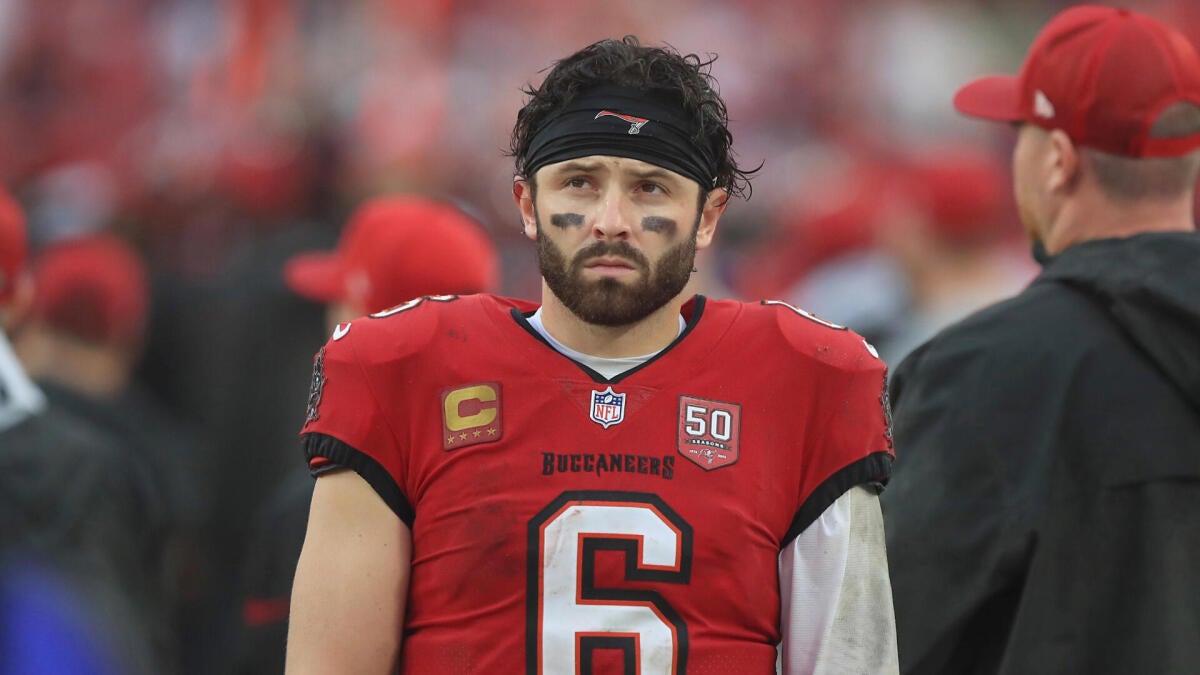
The Tampa Bay Buccaneers opened training camp July 28 with two of their best players unsigned and unsettled. Vita Vea, the franchise's anchor on the defensive line for eight seasons, requested a trade after contract negotiations stalled through minicamp. Mayfield reported to practice the same day without a new deal, having set an early-July deadline that the team failed to meet. Neither situation is resolved, and both signal deeper problems with how the organization values its talent—or how it communicates that value.
The Mayfield impasse is the more telling. He ranked 12th in QBR last season and wants compensation that reflects peer production, yet the team remains content holding him at $33.3 million annually (16th among quarterbacks). The team's willingness to risk playing out a contract year rather than close a gap suggests either genuine doubts about his long-term fit or organizational dysfunction in negotiation. ESPN reported Mayfield intends to play out 2026 and test free agency in March 2027, potentially erasing continuity at quarterback heading into the 2027 offseason. The Evans departure in March was the first domino: the greatest receiver in franchise history left because he believed his title-contention odds were better elsewhere. Lavonte David retired weeks later. Todd Bowles retained his job despite an 8-9 finish, but only after agreeing to overhaul his assistant staff—a forced restructuring that rarely stabilizes a locker room.
When a team's star quarterback approaches his walk year without agreement, defenses sense it. Defensive coordinators across the league will target a potential lame-duck QB who has less incentive to protect his body, works with a potentially fractured offensive line adjusting to new coaching, and plays in an offense that may deprioritize long-term scheme consistency. Mayfield's 2025 QBR of 12th ranked was respectable but not elite; under pressure and organizational uncertainty, that regresses. His passing volume and efficiency metrics will compress as Tampa Bay's offense becomes more conservative and situational play-calling tightens.
For betting purposes, this contract standoff creates two tangible angles. First, Mayfield's passing-yards totals will likely be set conservatively by the market, overweighting the risk of reduced offensive aggression in a walk year. The book will assume lower volume as a hedging mechanism—which is sound risk management but overstates the actual decline. A quarterback in his contract year may actually pad volume stats to boost his free-agent profile, especially if the Buccaneers' defense continues to leak runs and force negative game scripts. Second, team total unders for Tampa Bay carry hidden value. The Evans loss directly reduces red-zone completion probability (he forced double-looks inside the ten), and a distracted or physically-conserving Mayfield reduces drives that finish in touchdowns. The Buccaneers should see their team total projected down 1.5-2 wins from preseason expectations; if the market only prices in a 1-win dip, unders on their team total gain an edge.
The organizational fracture visible right now—star players leaving, contract squabbles at camp, coaching staff overhaul—is not a one-game variance event. It persists across the schedule. The Buccaneers finished 8-9 last year in a wide-open NFC South; structural uncertainty like this typically carves another win or two off annual projections. Mayfield will still function as a starting-caliber quarterback, but the ecosystem around him has visibly degraded.