Broncos Defense Has a Sack Problem, Not a Pressure Problem—and That's a Betting Tell
By Erik Schwartz ·
Denver ranked first in sacks but 26th in takeaways last season, a gap that won't close without mechanical shifts—and the market hasn't fully repriced defensive prop risk around that disconnect.
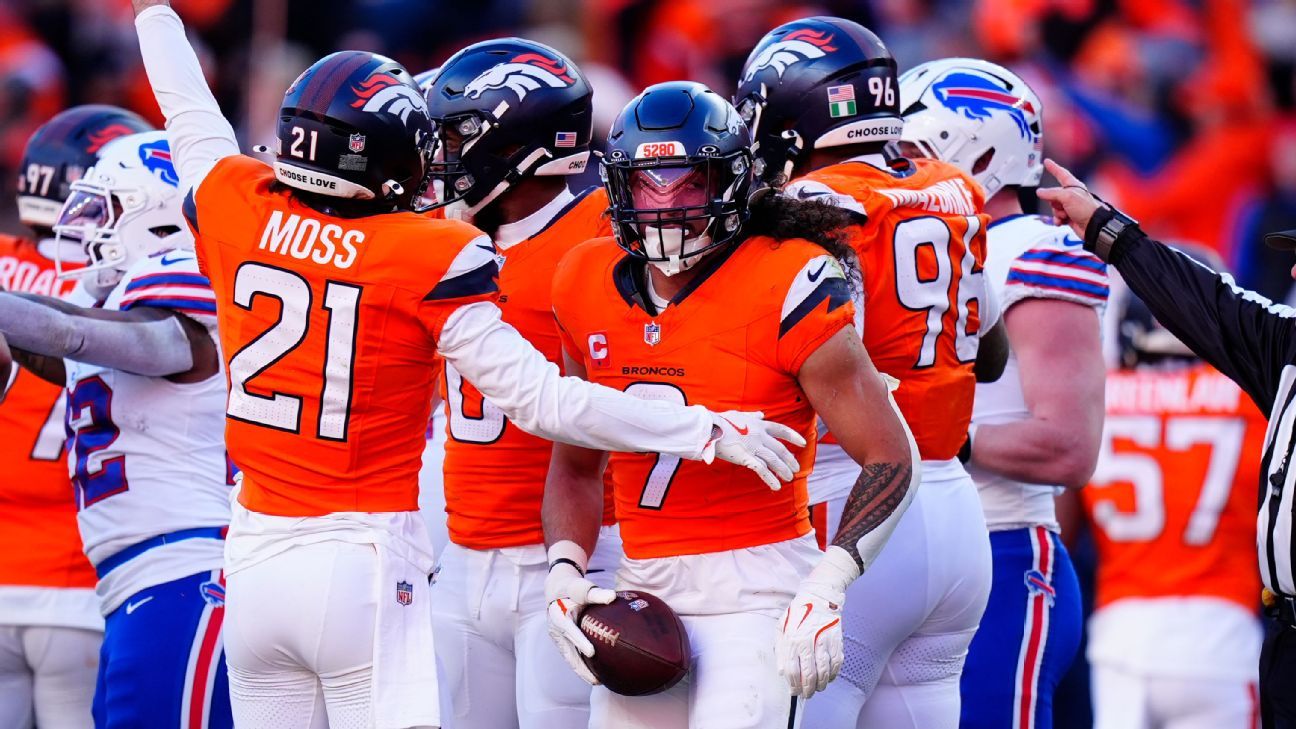
The Denver Broncos defense finished 2025 as one of the league's most efficient units by almost every conventional measure: 68 sacks (first), 224 quarterback hits (first by 42), 33.8% third-down defense rate (second), 42.6% red zone efficiency (first). Yet they forced only 14 turnovers, tied for 26th and barely ahead of the Jets, Cowboys, and Commanders. The paradox isn't a data error—it's a mechanics problem that matters for how you price their defense moving forward.
Coordinator Vance Joseph spent the offseason offseason program and will spend training camp hammering one message: sacks don't count without ball security. The team recovered only three fumbles all season (tied for fewest), and just two came from the defense itself. That's not unlucky variance; it's a coaching failure to emphasize ball-attacking technique during pressure moments. When Nik Bonitto or the pass rush reaches the quarterback, they're finishing the tackle before attacking the elbow. Joseph has made clear the schematic fix: "I really believe you sack the ball." Translation: assignments and film study will shift to teach defenders to strip and punch rather than wrap and drive. The postseason offered proof of concept—five takeaways in two playoff games, including three fumble recoveries in the divisional-round win over Buffalo, equaling their 17-game regular-season total. That wasn't luck; it was playoff intensity and a defense playing with different urgency.
What matters for the betting market is that takeaway rate is the most volatile and least predictable defensive stat season to season. A team forcing 14 takeaways doesn't suddenly jump to 28 in year two—but 18 to 22 is absolutely reasonable, especially when coaching staff makes mechanical adjustments and the team's core pressure metrics are elite. The Broncos sacked the quarterback more than anyone else; the gap between that productivity and turnover output is wider than any other top-10 defense in the league. Joseph's admission that "some of the takeaway improvements could come from him in the form of tweaks to the team's schematic approach" isn't hedging—it's a public commitment to change.
For defensive prop markets, this creates a directional edge. Takeaway props (team totals, interception lines, fumble recovery props) will likely be priced with 2025's 14-takeaway baseline baked in, or they've already overcorrected to league average around 20. Neither is right. The Broncos have the talent infrastructure and the coaching intention to land in the 18-24 range for forced takeaways in 2026, depending on how efficiently the schematic changes take root. Early-season lines on Broncos team defensive props—sacks, takeaways, defensive touchdown anytime bets—will underweight the marginal improvement in ball security that a 68-sack, 224-hit defense can unlock with better coaching emphasis. That edge persists for the first four to six weeks, until the market observes actual playoff-style takeaway rates in September.
Interception and fumble recovery anytime touchdown props tied to Denver's pass rush will also carry value, since forced fumbles at the point of attack are lower-hanging fruit than interceptions (which require receiver hands and luck). When the Broncos sack the quarterback this year—and they will often—the probability of a fumble recovery that becomes a defensive score is higher than last season's data suggests. Fade the extremely low-priced disruptive TD props on Denver's defense; they're anchored to a baseline that was skewed by poor execution in a very specific moment.