Campbell's Free-Agency Gamble: How Lions' Fifth-Year Decline Opens a Linderbaum-Size Payday
By Erik Schwartz ·
Detroit's All-Pro linebacker is now a 2027 unrestricted free agent—and his best contract path may run through open market chaos, not a negotiated extension.
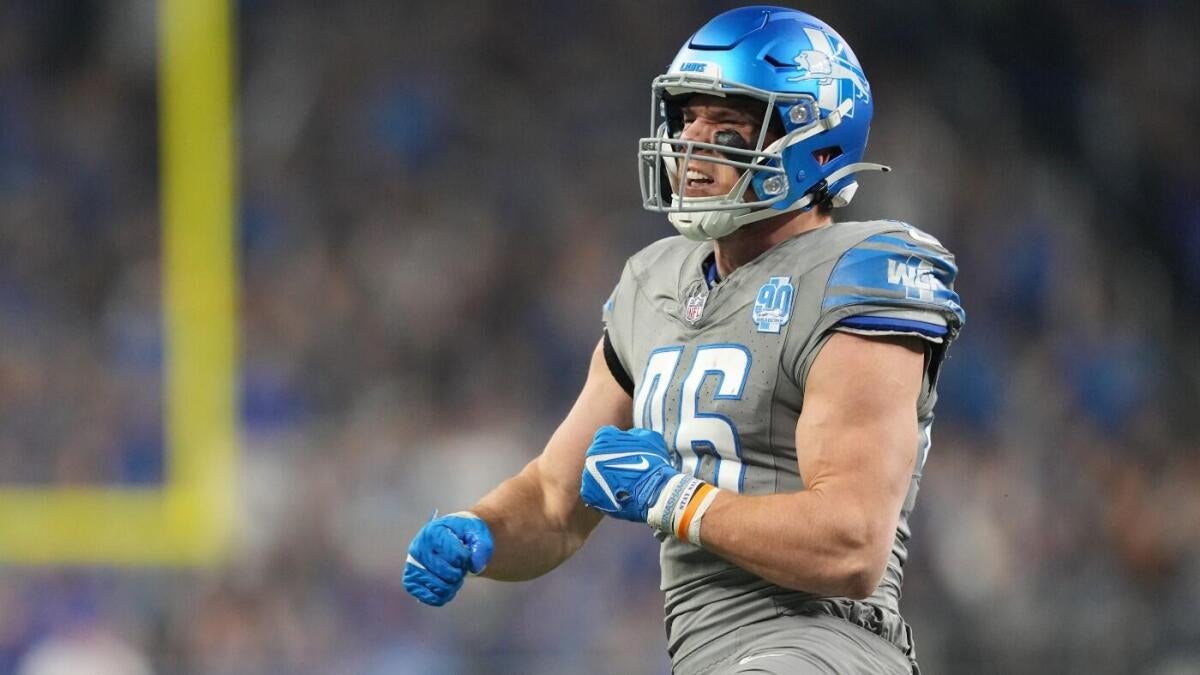
The Detroit Lions declined Jack Campbell's fifth-year option, a decision that looked mathematically necessary but strategically explosive. Campbell's Pro Bowl selection last season inflated his option value to $21.925 million for 2027, well above the $15.124 million the team had anticipated when it drafted him in the first round of 2023. The linebacker ranked second in the NFL with 176 tackles, added five sacks (tied for second among off-ball linebackers), three forced fumbles, and two fumble recoveries—credentials that earned him first-team All-Pro honors and, by extension, priced himself out of the Lions' cost-control window.
The parallel to Tyler Linderbaum's center situation last offseason is instructive. Linderbaum faced a similar incentive misalignment: his fifth-year option was valued at $23.402 million despite the center market's true top-end being Creed Humphrey's $18 million per year deal with Kansas City—a 30% overvaluation driven by option mechanics rather than positional reality. Baltimore declined Linderbaum's tag. He hit free agency. The Raiders promptly shattered the center market with a three-year, $81 million deal averaging $27 million per year, a 50% jump from the previous standard. Linderbaum's contract is practically fully guaranteed; his injury-guaranteed money becomes completely guaranteed next March.
Campbell's situation mirrors this setup almost exactly. The off-ball linebacker market is anchored by Fred Warner ($21 million per year with San Francisco) and Roquan Smith ($20 million with Baltimore), not by the $21.925 million option figure. By walking away from the fifth year, the Lions have opened a path for Campbell to reset the market in free agency—or, more likely, to negotiate from a position of genuine leverage where multiple franchises recognize that his next deal will set positional value, not follow it. The timing compounds the effect: Brian Branch (safety, injury-plagued) and Sam LaPorta (tight end, back surgery) are also in contract years, suggesting the Lions may have budget constraints that accelerate Campbell's exit rather than delay it.
From a betting standpoint, Campbell's free-agency status matters less for his individual tackle or sack props in 2026 and far more for understanding team resource flow. If Campbell tests the market and signs elsewhere, the Lions' linebacker rotation changes; if they retain him via a monster extension, team spending flexibility for pass-rush reinforcement or secondary depth tightens considerably. The deck is reshuffled either way, and the comp is now clear: Linderbaum's Vegas payday wasn't a fluke. It was the natural endpoint of a market correction that an unrestricted free agent in his prime can force. Campbell's Pro Bowl selection was the blessing that turned into a curse—then into an asset worth tens of millions more than Detroit was willing to pay.