Oliver's Hip Injury Reshapes Bills Defense at Worst Moment Against Detroit
By PropBetEdge Editorial Team ·
Buffalo loses its best pass rusher minutes before kickoff on a night when crowd noise was supposed to be the weapon.
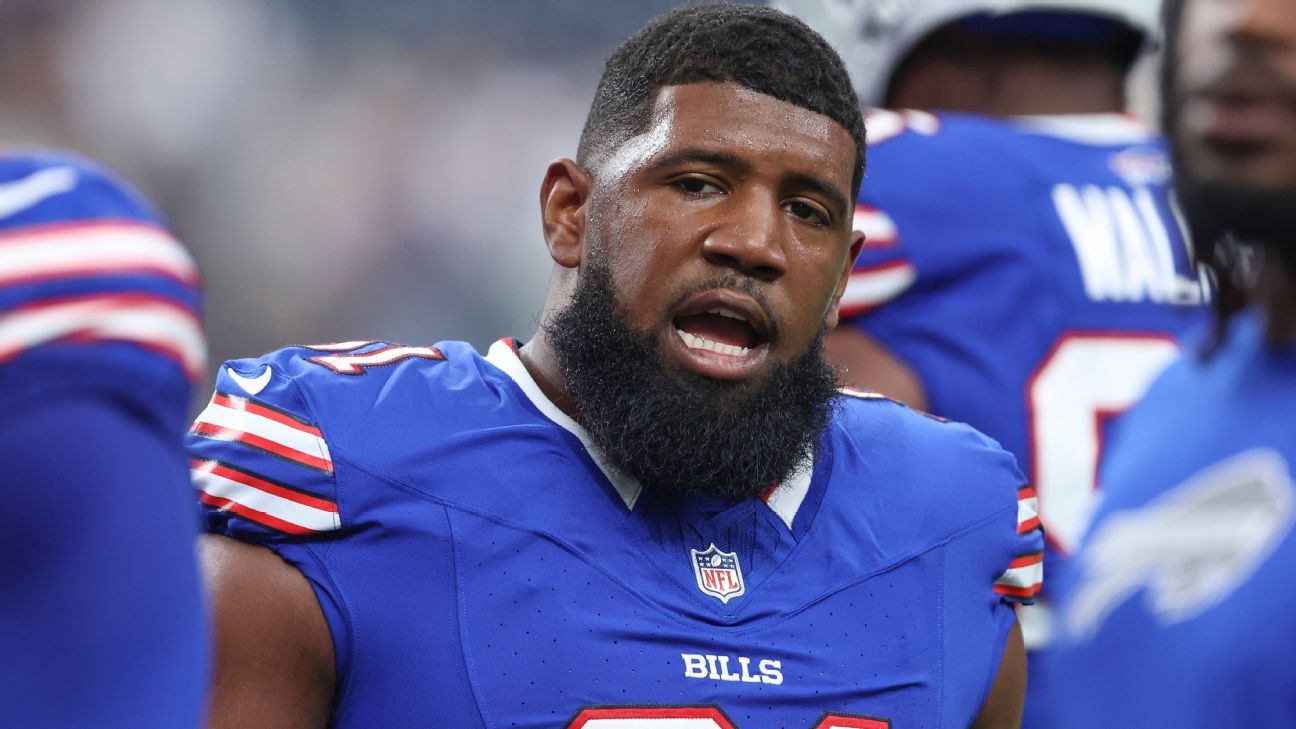
Ed Oliver, the Bills' franchise cornerstone on the defensive line, suffered a hip injury during warm-ups Thursday night and was ruled inactive for the matchup against Detroit. The timing could not be worse. Oliver had recorded five tackles, one quarterback hit, and a fumble recovery in Buffalo's Week 1 victory over Houston, and the defensive gameplan had been built specifically around his ability to wreak havoc on a Lions offense that would struggle to communicate in the noise of the newly renovated Highmark Stadium.
The Lions' offensive line is already compromised. Detroit rode running back Jahmyr Gibbs to an overtime win last Sunday—156 rushing yards and two touchdowns on 29 carries—a clear signal that this team wants to move the ball on the ground. With Oliver sidelined and defensive tackle T.J. Sanders also unavailable, the Bills lose their premier interior pass-rush threat at exactly the moment when Detroit's communication problems should have created openings for penetration up the middle. Oliver has logged 30 sacks in eight seasons with Buffalo and was the ninth overall pick in 2019; he is not a depth piece. The Bills do have recent injury history with Oliver—he played only three games in 2025—but a Thursday night return from a warm-up hip injury suggests this particular issue may linger beyond this single contest.
For betting purposes, Oliver's absence creates two distinct edges. First, Gibbs' rushing workload should expand in volume and efficiency. The Lions entered this game with a clear run-first identity against a Bills run defense that ranked middle-of-the-pack in Week 1. Without Oliver clogging gaps, Detroit's interior blocking angles open up significantly. Gibbs averaged 5.4 yards per carry against New Orleans; expect similar or better efficiency on Thursday. Second, the Bills' overall defensive line pressure plummets, which directly impacts quarterback hit and sack totals for the entire defensive front. Oliver accounted for roughly 15-18% of Buffalo's interior pass rush snaps in a healthy season; that burden now distributes across lesser talents.
The market has already adjusted some lines—Vegas knows Oliver was inactive—but the adjustment typically reflects pure counting stats, not the downstream effect on offensive efficiency and game tempo. Lions team total should be considered a lean, particularly if the number landed at or below 21.5 before the injury became official. Gibbs' rushing yards prop (his typical range hovers around 70-90 yards against average defenses; expect 90+ here) and the Lions' team total both benefit from Oliver's absence in ways that show up in the final box score but aren't always priced with full weight. The Bills' inability to generate immediate interior pressure also extends Detroit's time to throw, which creates secondary coverage stress—another advantage that compounds across the game, not a single play.