Lions' Defense Bet Collapses Again: Why 2026 Overcorrection Masks a Deeper Problem
By Ty Whitney ·
Detroit's offseason pivot from playoff letdown to defensive overhaul carries structural risk that the market isn't fully pricing into their win total.
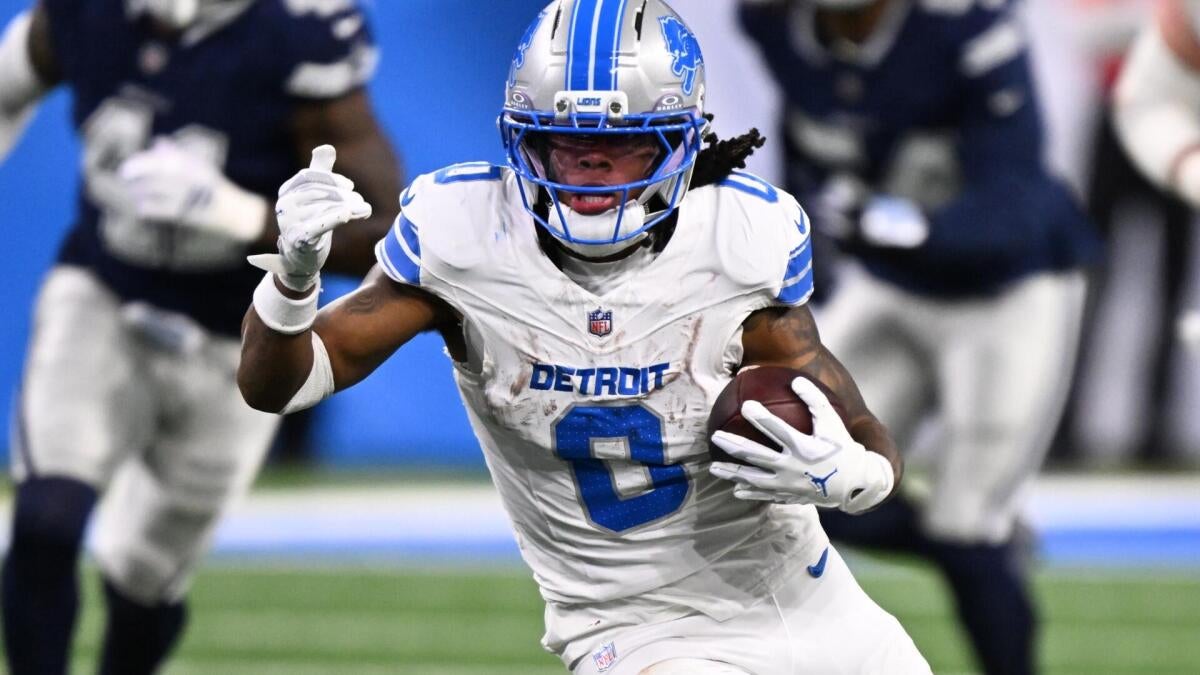
The Lions spent the 2025 offseason installing a new offensive coordinator after losing Ben Johnson, a move that prompted widespread hand-wringing about continuity. Instead, the unit stayed elite—top-three in DVOA, top-seven in yards per play on both sides of the ball. Then they finished 9-8 and missed the playoffs, despite outscoring opponents by 68 points across the season. That's the setup: dominant offense, decent personnel execution, and a miss anyway. Now, heading into 2026, management has inverted its strategy entirely. Out went Kyle Allen at QB (though he wasn't the starter), Marcus Davenport, and the entire linebacking corps. In came Teddy Bridgewater, Payton Turner, Derrick Moore, Tyre West, Damone Clark, and a complete secondary renovation—McCreary, Gill-Howard, and Izien leading a unit that was historically leaky down the stretch last season.
The mechanism here is deceptively simple but critical: the Lions aren't fixing an offense problem because there is none. They're gambling that they can fix a defense that gave up 27-plus points in nine of seventeen games, including five consecutive losses late in 2025 when teams like the Giants and Steelers exploited coverage gaps with ease. That's a talent-acquisition bet, not a system bet. McCreary, Izien, and Clark are solid contributors but not difference-makers in a way that transforms a 5.37 yards-allowed-per-play unit (ranked 18th) into a playoff-defense overnight. The offensive coordinator change to Drew Petzing—a promotion from within—further suggests Detroit isn't abandoning its identity; it's doubling down on it and hoping the new defensive pieces click.
The betting market has cooled on this thesis. SuperBowl odds drifted from +1400 in February to +1900 by August 1. The win total settled at 10.5 with heavy under interest—the over closed at -115 in July and degraded to -115 by early August, a tell that sharp money is leaning toward a smaller win projection. Detroit is still favored to win the NFC North at +170, but the Packers (+220 implied) and the rest of the division are uncomfortably close, signaling that the market doesn't trust the defensive overhaul to yield immediate returns.
Here's where the prop signal becomes actionable: the Lions' point differential in 2025 (+68) was in the top tier of the league, yet they won only 9 games. A +68 differential in a 17-game season typically projects to 11-12 wins under normal variance. They underperformed that projection by 2-3 games, which suggests either historical bad luck or a specific weakness (the late-season passing defense leak) that a secondary reshuffle can't fully patch in year one. The offense will remain strong—Ben Simmons-style durability across the skill positions, two additional offensive line reinforcements in the draft—but new defensive starters have integration lag. Expect the Lions to improve on last year's 9 wins, but bet that the new corner and safety corps needs 4-6 weeks to gel. The market's repricing of the under at -105 captures some of this, but not all of it.
The real edge is in fading the aggressive over bets on individual Lions defensive props (sacks, interceptions, quarterback hits) in week one through week four. New cornerback matchups in particular will be tested early by divisional opponents; expect completion percentages and yards-against to inflate before stabilizing. The team total under at 10.5 carries value if you believe the defensive integration tax costs them 1-2 wins in the first month of the season, then they stabilize to something close to their talent projection (11-12 wins) by November.