Lions 2026: Why the Market's Cooldown on Detroit's Super Bowl Odds Is Overdone
By PropBetEdge Editorial Team ·
Detroit's defense remains the structural problem, but a +68 point differential last season suggests the 9-8 record masked a far more competent roster than the market now prices.
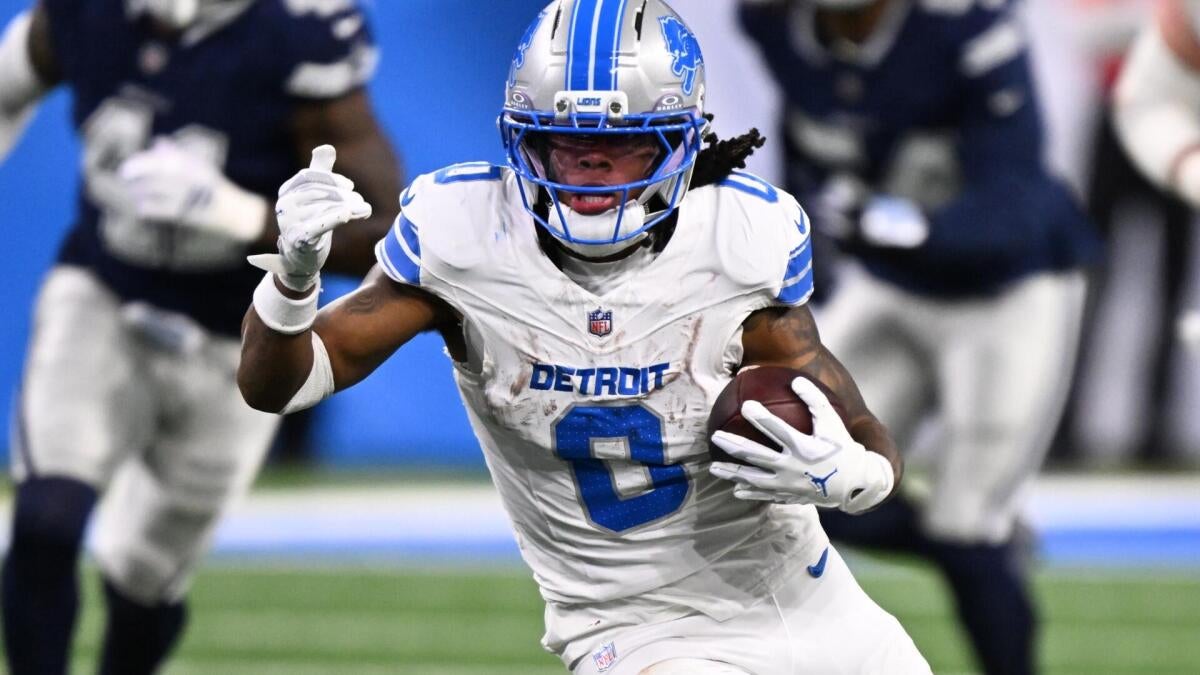
The Lions finished 2025 at 9-8 and missed the playoffs, a disappointing slide from a 15-2 season the year prior. But the raw efficiency data tells a different story: Detroit's offense ranked third in DVOA despite losing coordinator Ben Johnson, and posted a +68 point differential—nearly identical to the 2023 championship-contention roster. The record slippage was less a roster degradation and more the brutal mathematics of close-game variance. When your team wins tight contests by field goals one season and loses them by the same margin the next, the win-loss record swings wildly without a structural overhaul.
This year's offseason reinforces the triage: Detroit addressed the offensive line with four new starters (Mays, Scruggs, Bartch, Borom), brought in edge pass rushers (Turner, Wonnum, Moore), and installed a new offensive coordinator in Drew Petzing from Arizona. The secondary also got reinforced (McCreary at corner, Izien at safety). These are not panic moves—they're targeted reinforcements of specific weak points. The offense didn't break; the defense let up 27+ points in five consecutive games late in the season, a run that killed their playoff odds. If the additions at edge and in coverage stabilize that unit even modestly, the underlying talent—which was never really diminished—rebounds.
The market has priced the Lions at +1800 to win the Super Bowl (down from +1200 preseason) and the over/under at 10.5 wins (from +110 to -130 to go under). That swing reflects skepticism. But here's the mechanical edge: teams with +65 to +70 point differentials historically win 10-12 games in the following season, not nine. The Lions' defense faced an unusual clustering of efficient offenses in that five-game stretch—the Giants, Steelers, and others—in late November and December. That's variance, not trajectory. Offseason acquisitions in coverage and pass rush directly address the scheme vulnerabilities that leaked points. The win-total line now assumes the defense stays middle-of-the-pack; the mechanism suggests it improves into top-10 territory if Petzing's scheme coheres.
Super Bowl odds carry wider margins of error, but the win total is the more precise lever. A 10.5-win threshold on a +68 PD roster with targeted defensive upgrades is priced for flat-to-declining performance. The Lions should sit comfortably in the 11-13 win range if the secondary and edge defense execute. The market's cooling is real; whether it's justified is another question. Early-season data will settle this fast—the NFC North is always competitive, and a slow start would confirm the pessimism. But the underlying structure of the roster, combined with specific offseason patches, suggests the market overweighted a single bad defensive stretch and is now overcorrecting downward.