Cardinals' Rebuild Hits the Reset Button: Why Arizona's Futures Are Built on Attrition, Not Talent
By PropBetEdge Editorial Team ·
Kyler Murray in Minnesota, Mike LaFleur at the helm, and a 3-14 wreckage behind him—the Cardinals enter 2026 as the league's likeliest one-win team, and the market is pricing in something worse than a bridge year.
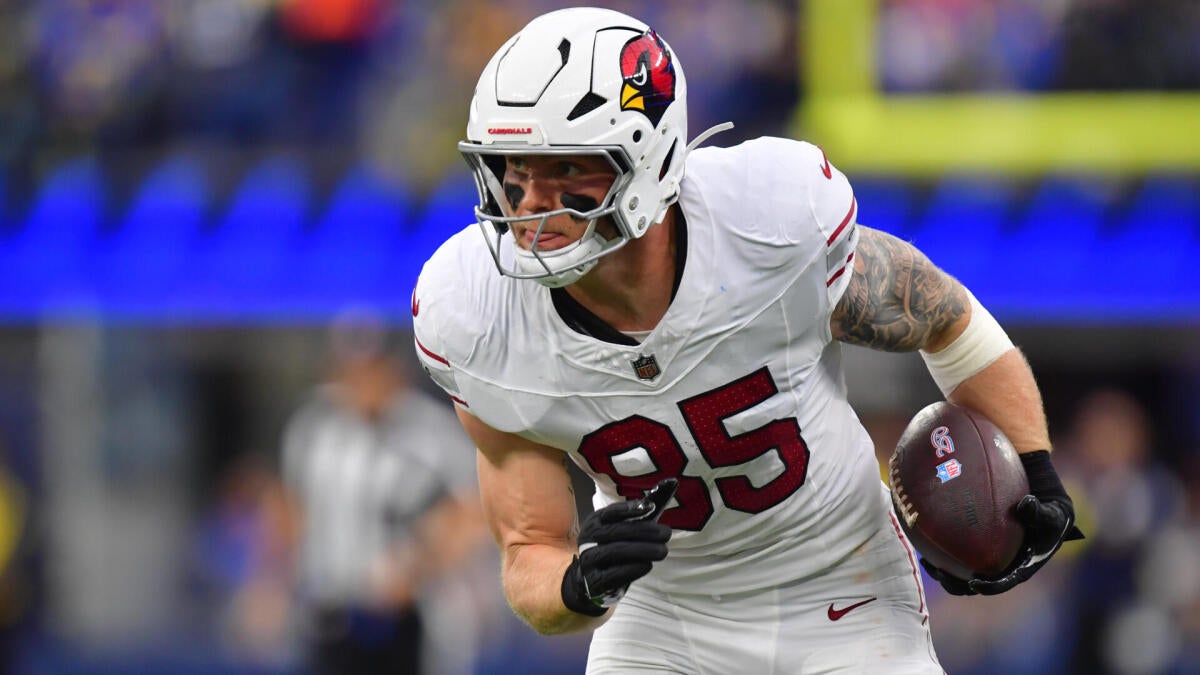
The Arizona Cardinals finished 2025 with a 3-14 record, their worst result since the 2018 collapse that preceded Kyler Murray's arrival. This time, the rebuild is structural: Murray is now in Minnesota, Mike LaFleur has arrived from the Rams as head coach, and the team has swung hard at both the roster and the quarterback room, drafting Carson Beck in the third round and bringing in Gardner Minshew as the primary competition. The Cardinals are, by consensus, the favorites to post the fewest wins in the NFL in 2026—a designation underscored by their current win total sitting at 3.5, with juice on the under at -136.
The 2025 collapse masks something important: Arizona wasn't as dysfunctional as the record suggests. The team lost five consecutive games by four points or fewer to open the year, each one winnable. Defensively, the unit gave up the most first downs per game in football—a coaching and scheme issue, not pure talent. On offense, the passing game ranked 26th in yards per play, a problem that had more to do with Murray's limited availability (just five starts) and Josh McCown's interim systems than structural inadequacy. The runnings game placed 16th in yards per carry, and the team converted third downs at a top-10 rate. In short, scheme changes and turnover inflated the loss column beyond what the underlying metrics predicted.
LaFleur's track record with the Rams offers a different signal. He spent three seasons as offensive coordinator in Los Angeles, building pass concepts that ran efficiently even as Matthew Stafford aged and the supporting cast thinned. The Cardinals drafted Beck not to start immediately but to develop—a three-year project that signals management expects 2026 to be a learning year regardless of record. Minshew, a reliable game-manager with 18 career starts, provides a floor. The defense added Andrew Billings, an interior lineman who can anchor a front, and the secondary bolstered itself with late-round DBs, though defensive coordinator Jonathan Gannon's departure for Philadelphia signals continuity risk.
The betting market has already priced the Cardinals as a void: playoff odds sit at +2000, NFC West odds at +10000, and Super Bowl futures at +50000—essentially knockout territory. The shift in win-total momentum tells a tighter story. In February, the line opened at 4.5, and the under was heavy but fair at -110. By June 1, it had already dropped to 3.5 as the Rams' blockbuster acquisition of Myles Garrett added playoff urgency to Los Angeles' defense. By August 1, the under at 3.5 sits at -136, a 26-point juice swing toward expecting Arizona to finish with three or fewer wins. This is not a market hedging its bets; it's a market that has moved decisively. A team finishing 4-13 would push this under. Only wins 4 or 5 would cover—and the oddsmakers don't believe in five.
For prop players, the edge lies not in totals or spreads but in the negative space. The Cardinals' passing offense will lean heavily on game-script desperation—they will throw from behind, often, and early in drives. Minshew's career completion percentage sits at 59%, well below average, but his interception rate is a lean 1.8% per attempt. The team's third-down conversion rate from 2025 (9th in the league) suggests that short-yardage passing will be a constant. Beck, once he takes snaps, will see elevated pass attempts in a rebuild environment where garbage time inflates volume. The rushing floor is set by the offense's expected poor field position and constant passing; look for defenses to stack the box less against Arizona than against any other NFL team, an invisible but meaningful tailwind for Emari Demercado or Tyler Allgeier in the receiving game. The real prop opportunity is fade-heavy: avoid overs on team passing yards (the defense will keep opponents on schedule, shortening games), and be cautious on Arizona skill-position rushing attempts (the team will be too far behind for efficient ground games to matter).