Bears Burn Cap Real Estate Days Before Kickoff—and It Matters for Their Defense
By PropBetEdge Editorial Team ·
Chicago's late restructures signal organizational pressure that will constrain their roster flexibility all season, with measurable implications for defensive snap counts and secondary performance.
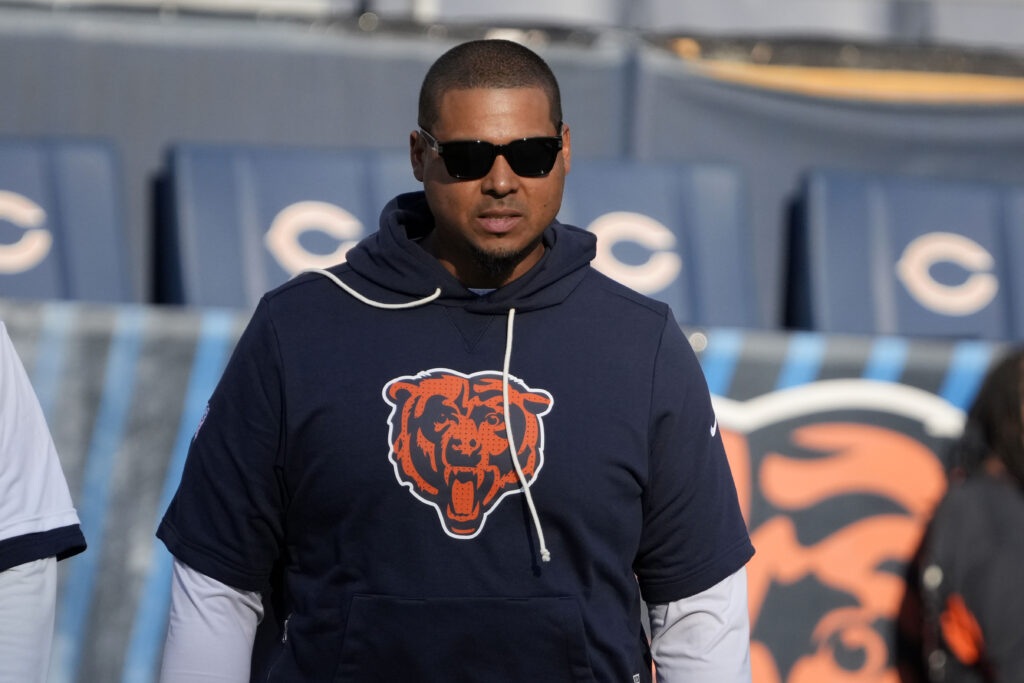
The Chicago Bears executed contract restructures for guard Joe Thuney, defensive end Dayo Odeyingbo, and linebacker T.J. Edwards on Friday, less than a week before the 2026 season opens. The moves were necessary cap math—teams across the league found themselves forced into emergency restructures in early September to create breathing room under the salary cap. For Chicago, the timing and scope of the adjustments expose a deeper structural problem: a rookie QB on a manageable rookie deal paired with a defense ranked in the bottom quartile should not require last-minute cap gymnastics. That contradiction matters.
Restructures themselves are not inherently damaging—they're accounting tools that push money into the future. The issue is WHEN they're executed and WHAT they signal about organizational planning. A team restructuring three meaningful contributors in the week before the season opener hasn't made deliberate choices; it's made reactive ones. This suggests the Bears entered their offseason either overestimating their available cap, overcommitting to prior deals, or both. The downstream effect: less flexibility to add depth, address injuries mid-season, or make mid-game roster adjustments. That constraint will compound as the season progresses and injuries accumulate.
From a roster-allocation lens, the Bears now have less margin for error on the defensive side of the ball—the very unit that underperformed a year ago. Odeyingbo (pass rush) and Edwards (run defense and coverage) carry snap-count variability; when depth at those positions thins, starters log more snaps at reduced efficiency. Thuney is a starter on the offensive line, but his restructure absorbs dollars that could have backstopped secondary or edge depth. A bottom-quartile defense playing with reduced injury coverage becomes vulnerable to even routine attrition.
For betting purposes, this restructuring narrative directly impacts defensive prop pricing. Look for Odeyingbo sack totals and Edwards tackle-assist projections to be set with optimism-bias baked in—the market will price him for a full, healthy season at baseline snap counts. But if an injury at safety or outside linebacker forces Edwards into earlier rotations or elevated snap percentages, his tackle rate will dip against the workload spike (regression toward the mean, not due to aging but from assignment overload). Similarly, Odeyingbo's sack rate could flatten if the Bears must rely on less-developed depth in rotating assignments. The edge is on fading individual defensive player prop overs for the Bears' defensive ends and backers across the season; the team's cap situation creates a structural incentive to overuse starters when health is sound, then drop them abruptly when replacements are forced in.