NFL
Kittle's Week 1 Recovery Window Just Got Tighter—And San Francisco Has to Decide What Matters More
A four-day acceleration in the 49ers' Australia opener threatens to compress George Kittle's Achilles rehabilitation timeline at the worst possible moment.
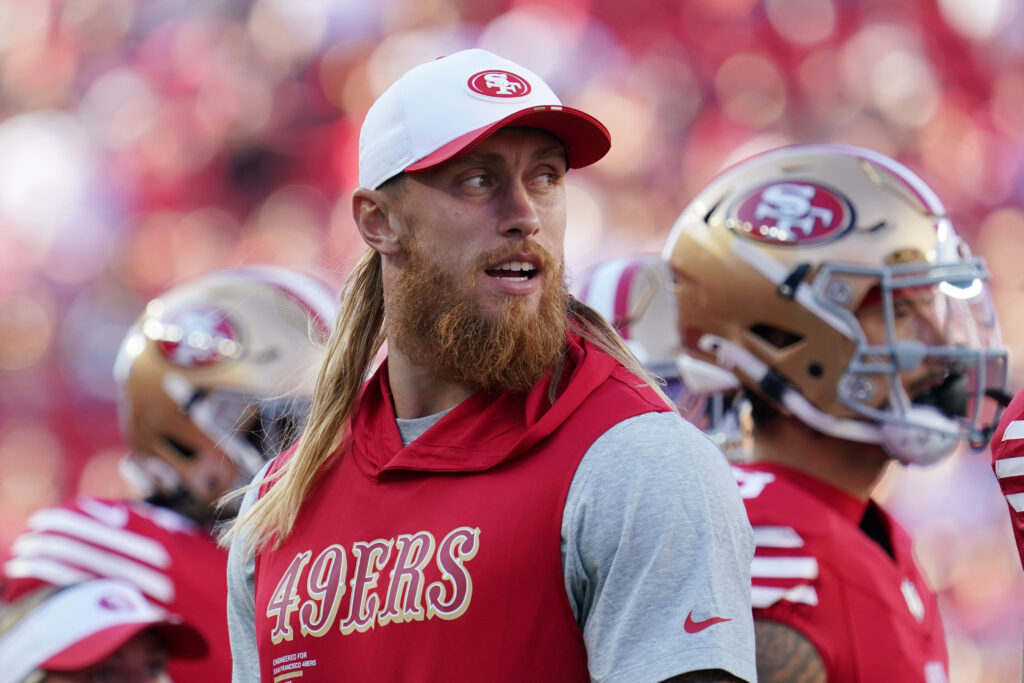
George Kittle's torn Achilles tendon, suffered in last January's playoff run, has always carried an uncertain return date. The 49ers' organization privately hoped for late summer availability; Kittle himself publicly targeted Week 1. That aggressive timeline looked fragile from the start—a torn Achilles typically demands 4-6 months of rehab, sometimes longer for elite athletes unwilling to accept diminished explosiveness. But Kittle's post-surgery updates through early June have been cautiously optimistic: 13 weeks out, he told reporters his surgeon and physical therapist were both satisfied with his progress, no setbacks reported.
Then the NFL released its 2026 schedule, and Week 1 moved four days earlier than Kittle had been planning toward. The league's new Australia international game series assigned the 49ers as one of two Week 1 hosts, meaning San Francisco will open the season in Melbourne rather than at home. That compressed timeline becomes meaningful only when you factor in the travel demand: a 15-hour flight across the Pacific, timezone adjustment, a compressed prep schedule, and the physical stress of international play on a fresh injury. Kittle acknowledged the trip as "just another challenge" in recent comments, but the framing masks a real medical calculus. A player 13 weeks into Achilles recovery isn't like a healthy player boarding a charter. The cumulative wear of travel, jet lag, and the inability to customize his treatment schedule during the trip all become recovery factors, not marketing talking points.
San Francisco faces a decision its front office probably didn't expect to make this early. Kittle's optimistic trajectory—ahead of schedule by his own measure—suggests he could theoretically be available for a Week 2 home game against the Bears with minimal added risk. But forcing him into a Melbourne debut, even if medically clearable, introduces variables that aren't present in a stateside Week 1. The organization has already shown it prefers conservative health management (Kittle missed stretches last season with various injuries). With Brock Purdy healthy and Brandon Aiyuk locked in, the 49ers have the luxury of patience. The prop market hasn't fully digested the possibility that Kittle might sit Week 1 despite being "ready"—a distinction that separates medical clearance from strategic deployment.
For bettors, the real edge emerges in the receiving props of Week 1 and Week 2. If Kittle does play in Australia, expect elevated target volume as the 49ers prove he's healthy; his receiving yards and reception lines will likely be inflated relative to his true form. If he sits Week 1 and returns Week 2 at home, the inverse happens: Week 1 receiving props for the 49ers lose a significant weapon, but his Week 2 lines could be suppressed as the market prices in rust and a compressed prep cycle. The sharper angle is fading Kittle receiving volume in Week 1 at inflated lines and waiting for a more normalized market reset in Week 2 if he returns. The Australia opener, meant to showcase global growth, may instead provide the 49ers an off-ramp to delay their star tight end's return without admitting that travel logistics matter in injury recovery.
NFL Intelligence — Football intelligence beyond the final score. Open NFL Intelligence →