AFC West Win Totals: Denver's Sustainability Test and Kansas City's Regression Floor
By Erik Schwartz ·
The Broncos' 14-win breakout and the Chiefs' historic collapse reset the division's power structure, but the betting market may be mispricing both the durability of Denver's revival and the statistical likelihood of Kansas City's rebound.
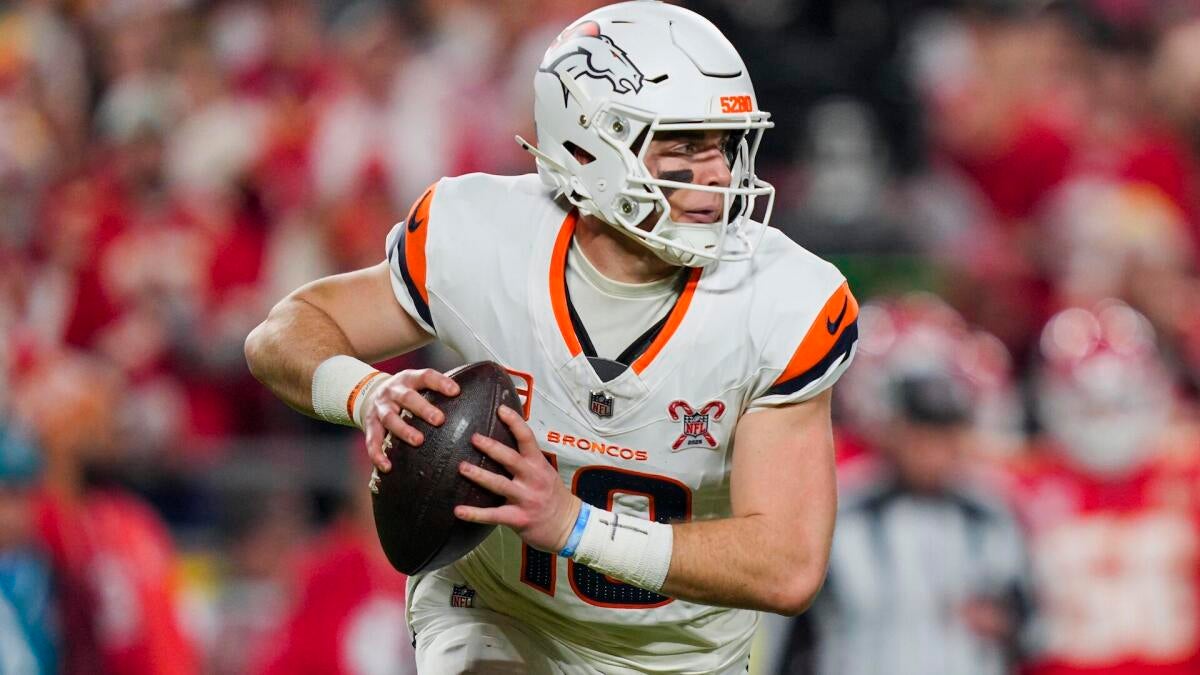
The 2025 AFC West crowned an unexpected champion: Denver's Bo Nix and a 14-3 Broncos team that displaced Kansas City's dynasty for the first time in eight years. Kansas City's free fall to 6-11 marks the worst season of the Andy Reid era and a rupture in a seven-year consecutive AFC Championship streak. The Chargers and Raiders occupy the middle tier, each seeking stability after offseason moves. Now that the 2026 schedule is set, the win-total markets open a clear lens into which teams the sharps believe can sustain their trajectory—and which are primed for correction.
Denver's road to 14 wins carried hallmarks of both breakthrough and precarity. Bo Nix posted 24 wins in his first two seasons, a top-three all-time mark for a young QB, with 64 total touchdowns across two years. But those 14 wins arrived on the back of an NFL-record 12 comeback victories—a volume that signals either resilience or an offense that consistently played from behind. The Broncos allow 9.5 wins in the market (Over -115), implying the book expects a minor step back to 10 wins. Sean Payton's shift to a play-caller role (handing duties to Davis Webb) and the acquisition of Jaylen Waddle as a clear WR1 address offensive consistency. If the Broncos reduce their trailing-game frequency and convert those late-inning wins into leads built earlier, they can sustain double-digit wins without the comeback volume. The mechanism here is structural: fewer comebacks with the same talent floor suggests offensive efficiency gains, not talent decline. The over at minus money is paying for the view that last year was an outlier; the analytical counter is that the outlier was the game script, not the team.
Kansas City's 6-11 finish and 10.5 win total (Over +115) presents a different calculus. Patrick Mahomes' offense tanked to 20th in yards per game (320.6) and 21st in points (21.3), a dramatic departure from his first five seasons. But the Chiefs' defense ranked top 10 in both categories, meaning the catastrophe was isolated to offensive execution, not roster construction. The front office responded by signing Kenneth Walker III, the reigning Super Bowl MVP at running back, to inject tempo and play-action spacing. Critically, Andy Reid has exceeded his preseason win total in 10 of 13 seasons under Reid's tenure in Kansas City and has not fallen short in consecutive years since 2012 with Philadelphia. That's a 13-year track record of mean reversion. A 6-win season is a 0.46 probability tail event in Reid's sample; the statistical gravity of his historical +/- pulls toward the over. The market is offering plus money on that bet, which is where historical edges typically cluster.
The prop-betting angle crystallizes around two distinct mechanisms. For Denver, the under 9.5 winds up holding less value than it appears because comeback wins are volatile but real—Nix's QB talent is elite (he'll be top 10 in passing yards and TDs again), and a cleaner offense doesn't mean fewer wins, it means cleaner ones. Lean the over. For Kansas City, the over 10.5 at plus money becomes a process edge: Mahomes has never sustained a 6-win season in back-to-back years, and adding a dynamic runner to a top-10 defense is a floor raise without requiring a complete resurrection. Kenneth Walker's usage in red-zone touches will increase directly; expect him to hit 7+ receiving yards over his full season, and watch Mahomes' passing-yard line (which crashed to 290 per game in 2025) stabilize closer to his career 305 baseline. Reid's playbook adjustment will target underneath routes and play-action bootlegs that lever Walker's presence. These aren't miracle projections—they're regression to sustainable medians.