49ers Moved on Deebo Samuel a Month Before Pearsall's Surgery—Here's What the Timeline Means for Your Props
By Erik Schwartz ·
The narrative that San Francisco panic-signed Samuel only after learning Pearsall needed season-ending surgery is backwards, and it reframes both the receiver depth chart and the passing-game volatility heading into the season.
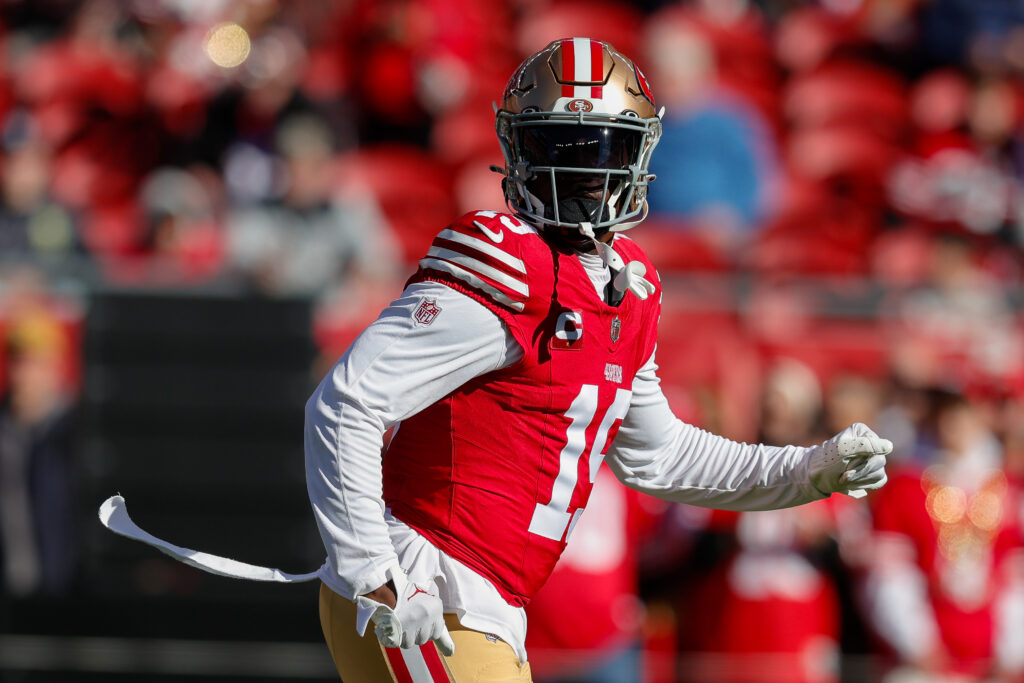
The 49ers signed Deebo Samuel to a one-year deal last week, but the real story isn't the signing itself—it's the timing. General manager John Lynch revealed that discussions with Samuel had been ongoing for roughly a month, meaning San Francisco initiated the reunion in early July, well before Ricky Pearsall's PCL injury and subsequent season-ending surgery became public knowledge. The prevailing narrative that the Samuel deal was a reactive panic move dissolves once you pull back the curtain on when the front office actually moved. This was a planned acquisition, not damage control.
What this timing tells you: the 49ers were never confident in Pearsall as a locked-in piece of their 2026 receiving corps, despite selecting him in the first round just four months earlier. The surgery makes Pearsall's absence official, but the Samuel reunion speaks to something the team already believed—that they needed more proven depth at receiver. Samuel's 2025 season in Washington (727 yards, five touchdowns on 72 catches) wasn't spectacular, but it was productive in a limited role. He played under different playcallers and in an unfamiliar system. Now, at 30 years old, he returns to Kyle Shanahan's offense, where he spent his best years as an All-Pro before the trade request.
The 49ers now have Samuel, Mike Evans (acquired in free agency), Christian Kirk (also free-agent add), De'Zhaun Stribling (second-round pick), and Demarcus Robinson competing for snaps in a wide receiver room that lost both Pearsall for the season and Skyy Moore to free agency. That's not depth—that's a crowd. Samuel is expected to handle kick-return duties on top of his offensive workload, which tells you the team sees him as a multi-phase contributor rather than a 150-snap-per-game receiver. For prop purposes, this matters enormously. The snap distribution is going to be volatile early in the season as Shanahan figures out his pecking order. Samuel will get opportunities, but he won't be the alpha target. Evans, at 32 and with a Hall-of-Fame resume, carries more downside injury risk and is the literal third-most-recent addition to the room. Kirk is a chain-mover but not a deep-threat generator. The passing volume picture for San Francisco's receivers is fragmented in a way it wasn't when Pearsall was expected to be healthy.
Brock Purdy's passing-yard totals and the 49ers' team passing totals have likely been adjusted upward after the Pearsall injury became news. But the timing of the Samuel deal—month before Pearsall's surgery—actually suggests the front office was already hedging against Pearsall's reliability or long-term fit. Fading overs on individual 49ers receiver props early in the season makes sense because the role clarification isn't settled. Samuel's best-case scenario is 100-120 targets (his 2023 All-Pro pace), but Evans and Kirk will cannibalize opportunity. A more realistic range for Samuel in a fragmented room is 70-90 targets for the full season. His receiving-yards line will likely open somewhere in the 650-750 range given the market's response to Pearsall's loss, but the actual usage risk favors the under. Wait for early-season data before piling into Samuel receiving props.