Post-Draft Rookie ROTY Odds Reveal Market Inefficiencies in First-Year Prop Futures
By Erik Schwartz ·
The 2026 NBA Draft class is fully inventoried; sharp bettors are already spotting value disconnects between lottery capital and actual playing-time probability.
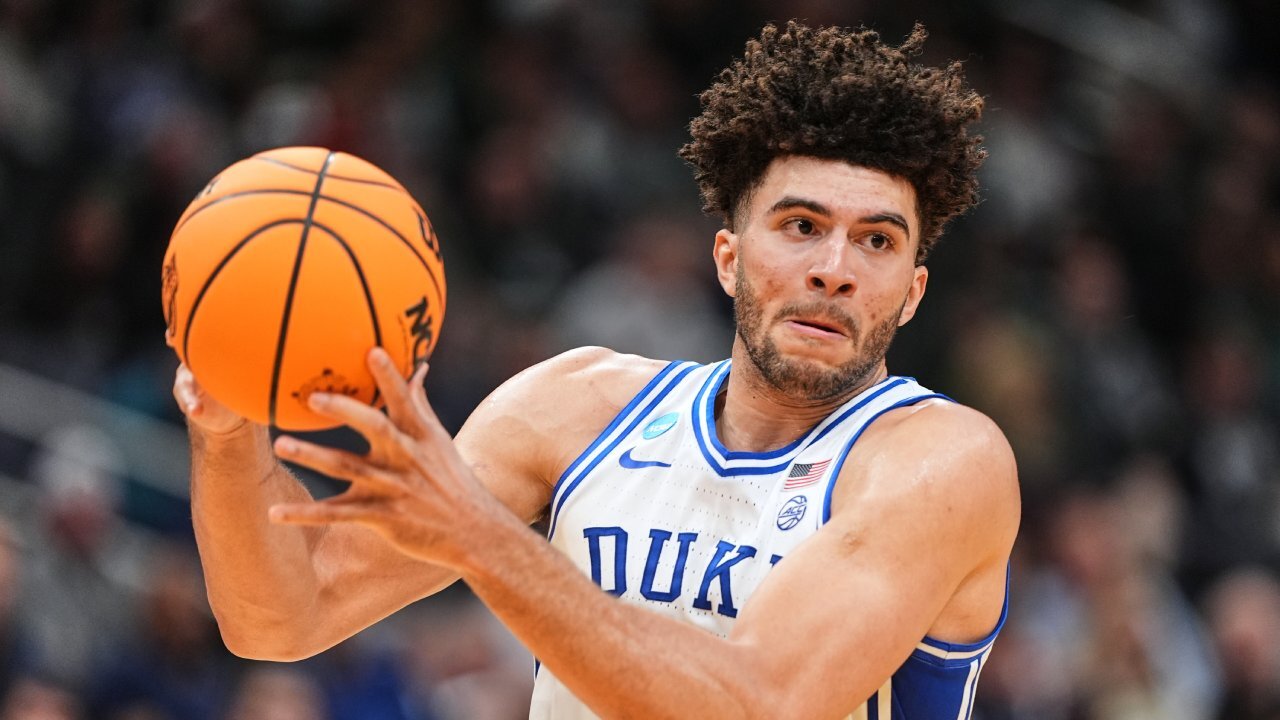
The 2026 NBA Draft wrapped this week, and with the first 30 names now assigned, the rookie-of-the-year futures market has crystallized fast enough to expose inefficiencies. Analyst Jonathan Von Tobel has identified both steals in the opening round—players whose talent-to-draft-slot ratio suggests undervalued playing-time equity—and surprises that hint at which lottery picks may not deliver the rookie-season volume their pedigree promises.
The ROTY market doesn't price draft position linearly. A top-five pick with questionable fit on a veteran roster often carries the same betting odds as a mid-lottery talent who lands on a lottery team desperate for scoring. Playing time is the fulcrum: a 15th overall pick averaging 28 minutes in year one outpaces a fifth overall pick in 22 minutes. The gap between consensus draft talent and actual rookie opportunity is where value lives. Teams in rebuild mode hand volume to lottery talent immediately. Teams competing now will stagger young players' ramp-ups, regardless of pedigree.
Von Tobel's steals analysis surfaces draft-pick floor candidates—players who fell further than their archetype warranted, typically due to fit concerns or positional redundancy with their new team's core. A scoring-heavy wing drafted by a wing-heavy club is a lower ROTY-odds player than an identical talent drafted by a backcourt-first franchise. Surprises, conversely, flag overvalued picks: high-pedigree names landing on depth-constrained rosters where regression or injury creates forced playing time, masking actual production thresholds. The market often bakes in draft position rather than deployment reality.
ROTY voting rewards volume and efficiency. Points per game (the core prop), assists, and three-point makes accumulate votes faster than defensive metrics. A guard who lands on a guard-needy team with a 32+ minute floor holds significantly higher season-long expectation than a forward on a frontcourt-loaded squad, even if the forward was drafted higher. Von Tobel's angle leverages this gap: isolate which lottery talents inherited immediate playing time, then cross-reference their preseason deployment hints against Vegas odds. If a seventh-pick forward is slotted at 22 minutes while a 12th-pick guard is earmarked for 28, the latter's ROTY odds should compress regardless of draft capital.
For prop bettors, the real edge emerges in player-specific scoring and assist lines once the regular season tips. A rookies' PPG prop reflects draft pedigree + assumed playing time, but if actual minutes deviate from Vegas's summer forecast, single-game and season-long prop lines lag the adjustment. Von Tobel's post-draft reconnaissance identifies which rookies will play more (or less) than the market assumed at draft night, creating early-season arbitrage before the line catches up.