Wembanyama's Finals Arrival Reshapes NBA Favorites; SGA's Isolation Burden Exposes Thunder's Depth Gap
By PropBetEdge Editorial Team ·
San Antonio's third-year superstar neutralized Shai Gilgeous-Alexander by collapsing the rim, forcing the two-time MVP into a diet of contested mid-range looks—a blueprint that will test New York's perimeter defense in the Finals.
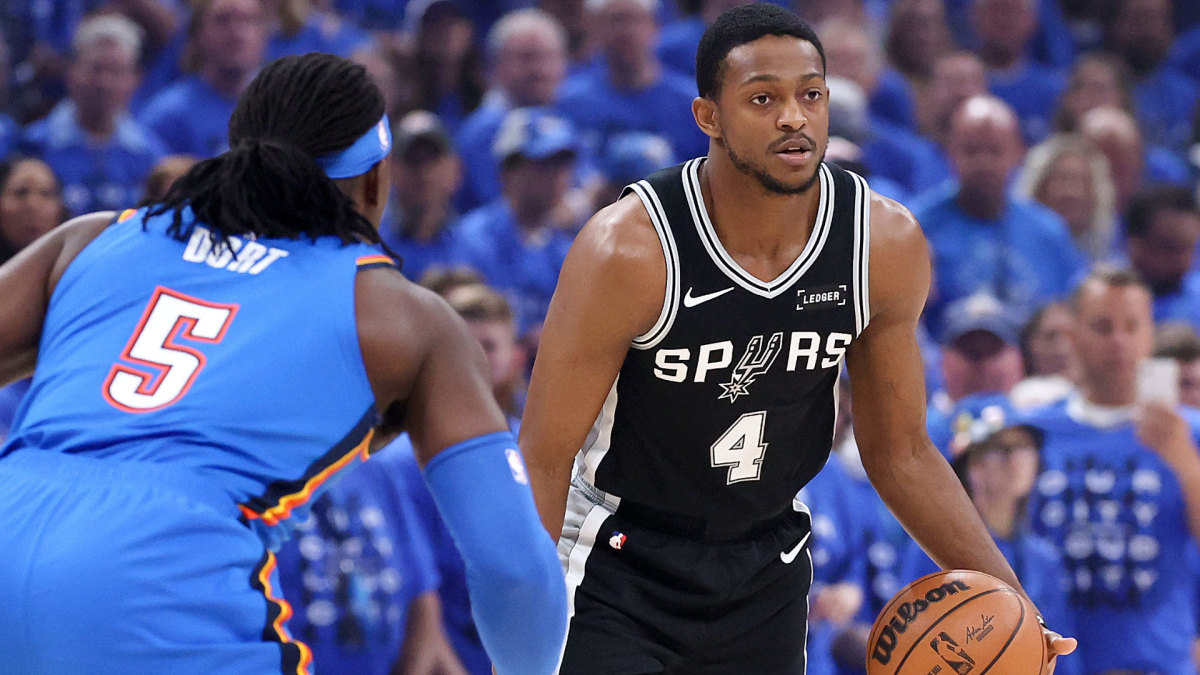
Victor Wembanyama and the San Antonio Spurs toppled the Oklahoma City Thunder in a seven-game Western Conference Finals series that went 62-win superpower against 62-win superpower, a rarity that hadn't occurred since 1998. The Spurs' 111-103 Game 7 victory sent them to the NBA Finals against the New York Knicks, and in doing so, Wembanyama completed what no superstar has managed since Magic Johnson in 1980: reached the Finals within three seasons. But the arc of the series itself—not just the result—carries concrete implications for prop traders.
The mechanism behind San Antonio's victory was structural. Wembanyama's length and athleticism allowed the Spurs to wall off the paint, collapsing on Shai Gilgeous-Alexander's drives. The two-time MVP's rim-finishing rate plummeted to barely half his regular-season frequency. That forced SGA onto a steady diet of contested mid-range looks. Over six games, he couldn't consistently convert those looks with sufficient volume. Game 7 exposed the pattern's fragility—SGA dropped 35 points on 12-of-21 shooting when the Thunder adjusted and forced him into primary shot-creation roles. But one virtuoso performance doesn't erase six games of constraint. The Spurs' defensive identity, built around shot-contesting length at every level, proved durable across the series.
For the Knicks matchup, the defensive architecture matters. New York's perimeter wings lack the length profile that San Antonio deployed. Brunson and Barrett are solid defenders but don't offer the same rim-presence ceiling. This creates an opening for Wembanyama to operate in the mid-post and short-roll spaces with fewer bodies collapsing at the moment he catches the ball. His assist rate should tick upward when he has more freedom to survey the court without three-second violations. Additionally, the Knicks' interior defense—Julius Randle and Jericho Selden—will struggle to contain Wembanyama's rim runs. Look for higher assist totals from Wembanyama as New York's perimeter-heavy scheme forces him into playmaking roles rather than pure scoring duties. The Spurs' supporting cast, which performed well against the Thunder's injury-depleted wings, will also see more pick-and-roll rhythm opportunities against a Knicks team that doesn't switch as aggressively as Oklahoma City does.
The market has already adjusted Wembanyama's Finals averages upward, but the mechanism for increased playmaking (fewer collapsing bodies, more mid-post rhythm) is a pattern that will persist across the series, not a single-game spike. Prop bettors should target his assists and combo props involving assists plus points or rebounds. The Knicks' defensive switching frequency is lower than the Thunder's, meaning fewer double-teams reach Wembanyama in dribble situations. This is a multi-game edge, not a line movement fade. His Game 1 assist line will likely sit at 6.5 or lower; the Knicks' personnel will take time to adjust to a pick-and-roll attack they haven't fully scouted across a seven-game lens.