Atkinson's 'Unlucky' Framing Masks Execution Collapse as Cavaliers Squander Fourth-Quarter Lead
By PropBetEdge Editorial Team ·
Cleveland's loss to New York in Game 1 overtime wasn't about variance—it was about defensive breakdowns and shot-making abandonment in the final frame that bettors should expect to repeat.
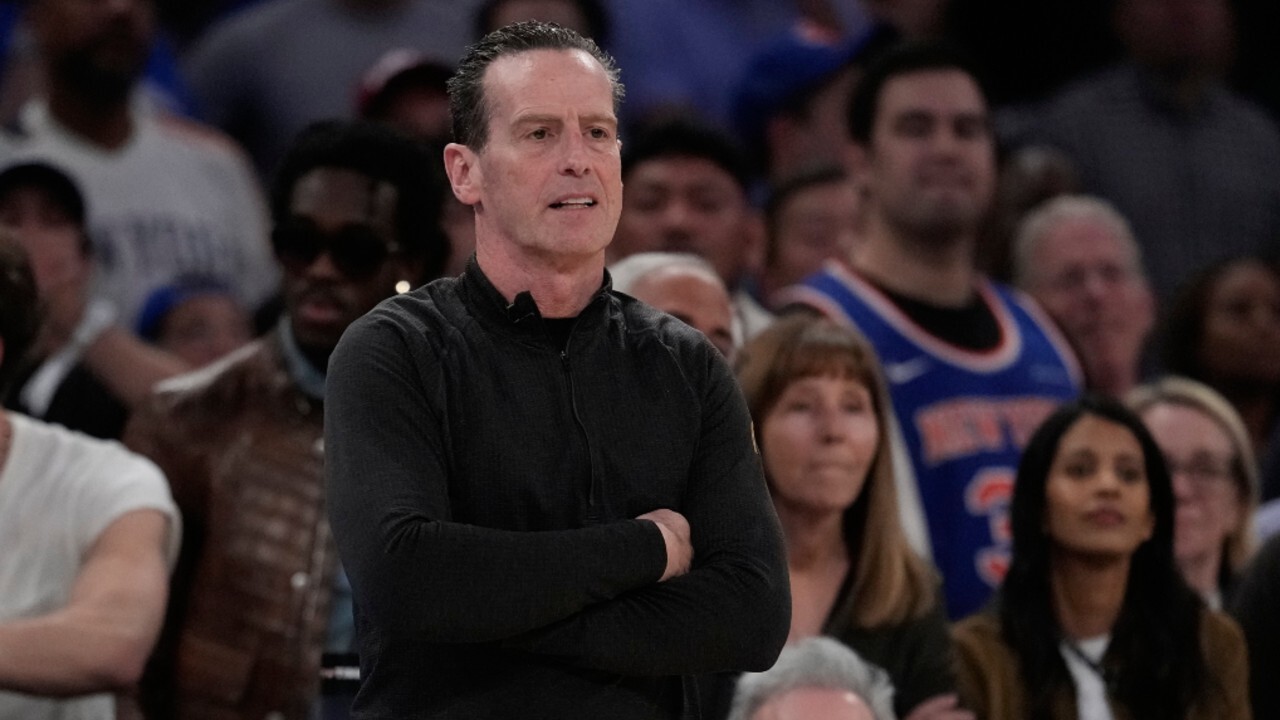
The Cavaliers held a commanding fourth-quarter lead against the Knicks in Game 1 and still lost in overtime. Head coach Kenny Atkinson's postgame assessment—that Cleveland "got a little unlucky"—is the kind of language that reveals more about what went wrong than he intended. Unlucky is a missed three-pointer at the buzzer. Unlucky is an in-and-out. What happened in the final twelve minutes was something much more structural: a complete abandonment of the principles that built that lead in the first place.
The Cavaliers' collapse wasn't about shot variance or opponent momentum flips. It was about defensive tightening and offensive stagnation in a window where New York tightened its rotations and attacked Cleveland's bench lineups with precision. When Atkinson says "unlucky," he's skirting the fact that the Knicks executed late-game offense better when it mattered—particularly in transition and in pick-and-roll situations where the Cavaliers' defense lost its shape. Overtime wasn't a surprise; it was the inevitable endpoint of a fourth-quarter performance that surrendered control of pace and rhythm.
For bettors, this Game 1 result carries a critical forward-looking signal. If the Cavaliers' fourth-quarter defense—specifically their ability to stay attached to shooters and contest driving lanes—remains inconsistent across the series, their team total and spread lines will continue to face downward pressure in late-game scenarios. The Knicks' late-game offense isn't volatile; it's methodical and pick-heavy, which means the Cavaliers' fourth-quarter spreads should widen as a reflection of their structural vulnerability in that window. Over the next two games, watch whether Cleveland's interior defense (particularly their ability to dig on Knicks guards and recover to shooters) stabilizes in the fourth quarter. If it doesn't, unders in the final frame carry more edge than the overall game line suggests, because Cleveland's offense will be forced into isolation-heavy, slower possessions as they chase points.
Atkinson's "unlucky" comment also signals that the coaching staff may be underweighting the execution breakdown—meaning their adjustments in Game 2 may lag what the matchup actually demands. That kind of diagnostic misalignment typically leads to repeat performance, not correction. Fading Cavaliers team totals in Game 2, particularly if the line sits near where it opened in Game 1, captures that misdiagnosis. The Knicks didn't outrun the Cavaliers; they out-structured them when it mattered. That's repeatable, and the market hasn't fully priced the vulnerability yet.