Eight Champs in Eight Years: The Parity Blueprint and Which Teams Can Crash the Party Next
By Ty Whitney ·
The Knicks' 2026 championship proved the NBA's wide-open window is real—and the betting markets have barely priced in which 22 teams can realistically exploit it.
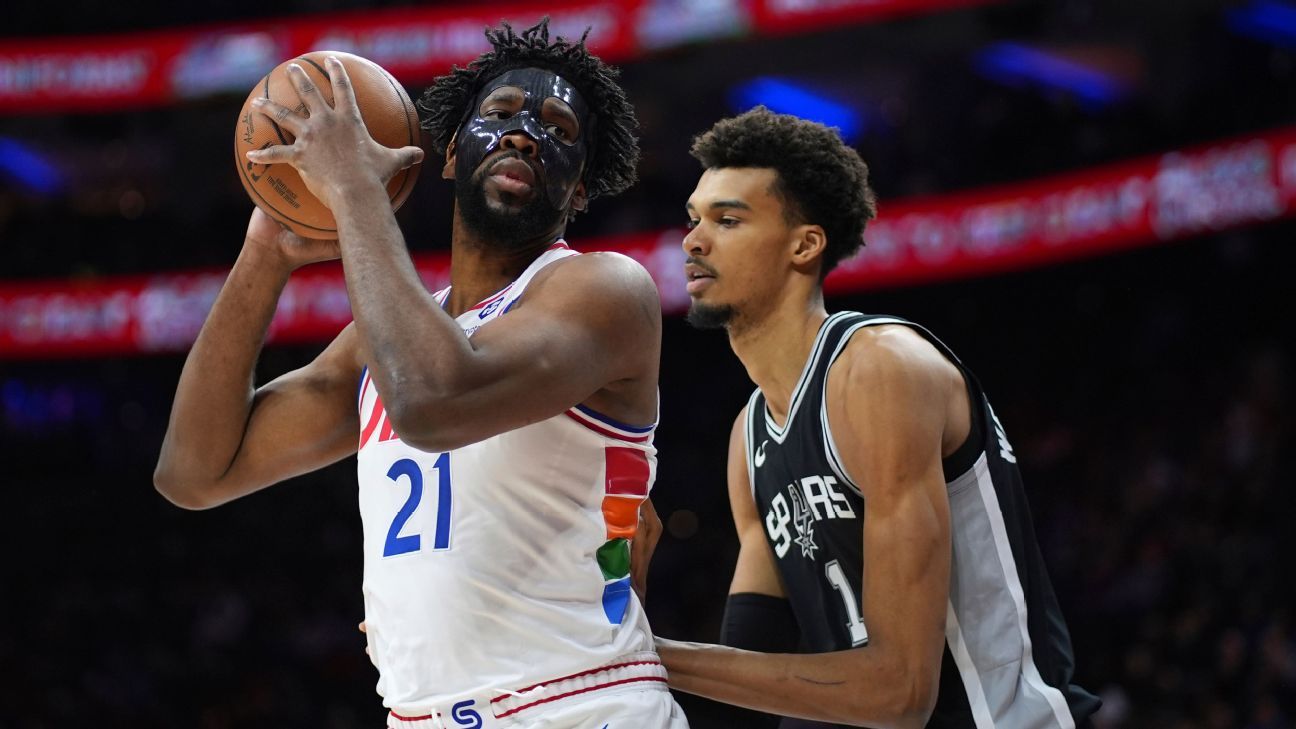
The New York Knicks won their first championship since 1973 this past June, completing what ESPN's Ben Golliver called a defining trend: eight different teams hoisting the Larry O'Brien Trophy in eight consecutive years. That run—from Toronto in 2019 through New York in 2026—demolishes the old dynasty model and resets the calculus for every franchise eyeing October glory. The question now isn't whether parity is real. It's whether the market has fully internalized that nearly a quarter of the league remains mathematically viable for a championship run.
The pattern across those eight champions reveals a predictable skeleton, even as the flesh varies. All eight possessed a Hall of Fame-caliber lead player. Seven fielded top-10 defenses. Six boasted top-five offenses. But here's the wrinkle: the path to those pillars isn't singular. Toronto won immediately after acquiring Kawhi Leonard in a trade. Denver captured their title with a middling defense—proof that elite offense can paper over defensive cracks. Oklahoma City won last year with a roster so young it ranked in the bottom quartile for playoff experience, torching the conventional wisdom that championship teams need veterans. The Knicks themselves prove that 53 years of organizational dysfunction dissolves the moment you land a franchise cornerstone and build around him with complementary talent and grit.
That flexibility matters enormously for the 22 teams still hunting a title since 2019. The teams hovering just outside contention—think of mid-tier lottery clubs with emerging stars or veterans-plus-youth rosters—now have clear blueprints for acceleration. You don't need a five-year dynasty timeline anymore. You need a Hall of Fame engine, a credible second star, and either a top-five offense or top-ten defense (ideally both). The urgency has compressed. A team can trade for a star or sign a free agent, jell in a single offseason, and be championship-ready by the spring. This shifts the power from draft pedigree to front-office agility and salary-cap flexibility.
For bettors, this reality reshapes futures markets in two ways. First, teams with established stars sitting in the 40-50 win range—squads with the infrastructure but missing one piece—carry outsized value in championship odds because the market still prices them as "contenders next year," not contenders NOW. The Knicks taught us that a single off-season acquisition plus continuity can vault a team from 47 wins to 60 and a title. Second, long-shot bets on teams with a foundational star and cap space (or a path to it) become more durable. The Thunder weren't obvious picks at the start of last season, yet their young core and defensive identity made them viable before the playoffs even started. That template—young, defensive, one elite piece—is repeatable. The market still discounts it.
The betting leverage lies in identifying which of the other 22 squads already have the non-negotiables: a franchise player and a clear path to either top-offense or top-defense status. Fade futures on teams lacking the Hall of Fame center. Lean into mid-range championship odds for teams with that centerpiece plus realistic roster upgrades. The parity era isn't random. It's just faster. Eight champs in eight years means the window doesn't stay closed long—and the next champion is likely already on a roster, waiting for the right supporting cast.