Spurs' 15-0 Game 3 Ambush Signals the True Threat Oklahoma City Underestimated
By Ty Whitney ·
San Antonio's opening salvo in the Western Conference Finals revealed defensive breakdowns the Thunder cannot afford to repeat.
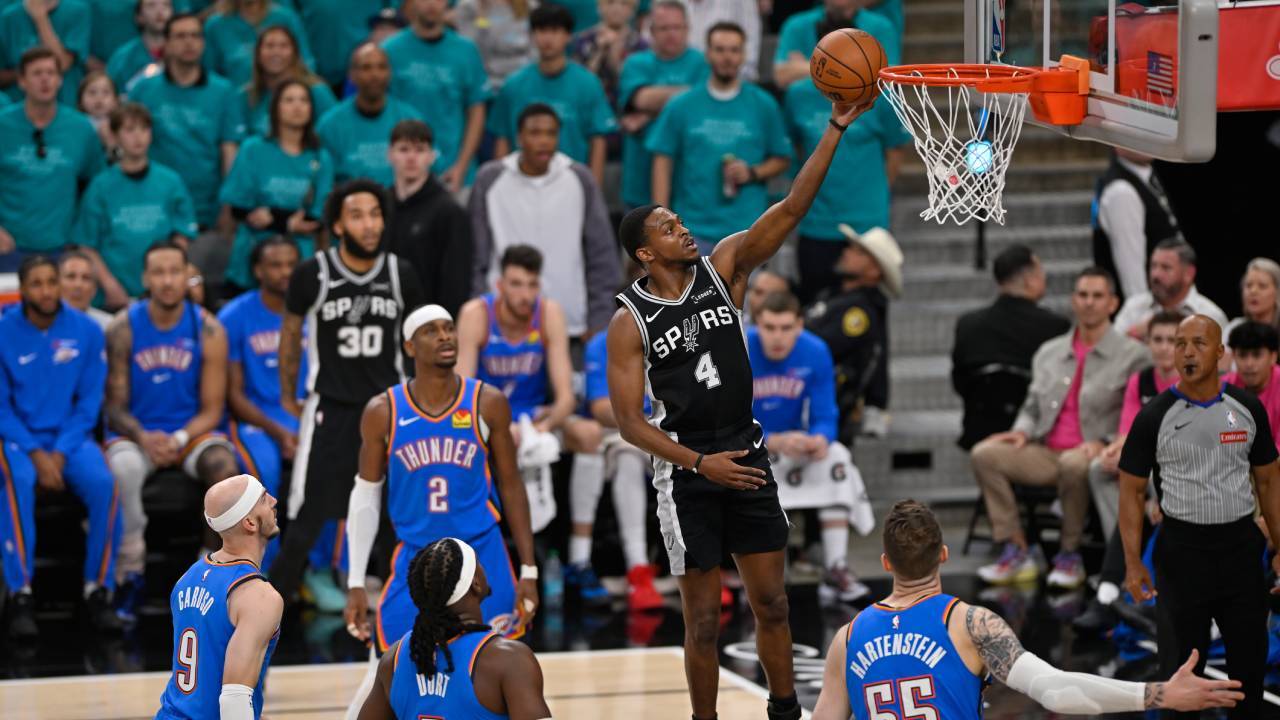
The San Antonio Spurs opened Game 3 of the Western Conference Finals with a 15-0 run, a statement-making sequence that exposed a fundamental vulnerability in Oklahoma City's defensive readiness. Early-game execution from the Spurs wasn't accidental—it was the product of a team that had spent two games identifying where the Thunder's switching scheme collapsed and how their perimeter rotations lagged.
What matters for the betting market is that this opening run was systematic, not an outlier born from hot shooting. The Spurs attacked downhill through pick-and-roll, forced Oklahoma City into scrambling close-outs, and generated clean looks at the three-point line before the Thunder's defense could reset. These are repeatable actions, not noise. The Thunder's defensive efficiency in the opening minutes of Game 3 was substantially worse than their season average—a sign that San Antonio had game-planned specifically to punish Oklahoma City's transition coverage and perimeter switching in the first quarter.
For bettors, the immediate implication is that San Antonio's first-quarter performance props merit attention in subsequent games. The Spurs have now shown they can impose their pace and force early defensive chaos. Oklahoma City's opening-quarter total points allowed will likely adjust upward after Game 3, but the adjustment may not fully account for the structural mismatch that created the 15-0 run in the first place. If the Thunder don't correct their switching triggers and help-side positioning—adjustments that take time and often require personnel changes the Thunder cannot make mid-series—San Antonio's first-quarter over props remain underpriced relative to the evidence.
Moreover, the psychological weight of an opening 15-0 deficit pressures Oklahoma City into compensatory scoring runs in the second and third quarters, when they're chasing rather than controlling tempo. This typically inflates total team scoring in the games that follow a dominant opening by the opponent. San Antonio's early establishment of pace and rhythm also correlates with elevated assist totals for their playmakers; when a team scores 15 straight points, ball movement is invariably crisp and decision-making is accelerated. Watch for the Spurs' primary initiators—particularly Chris Paul if he's in rotation—to see upticks in assists as Oklahoma City plays catch-up basketball.
The edge here is not on a single player's scoring line but on the structure the Spurs have proven they can impose. Totals for Games 4 and beyond should account for elevated first-half scoring and the tempo volatility that follows a team falling behind early. Early numbers on opening-quarter props and team assists will likely not fully price the Spurs' demonstrated control of the game's skeleton.