Game 7 Heat Test: San Antonio's Defensive Scheme Against Gilgeous-Alexander Faces Its Toughest Moment
By Erik Schwartz ·
Stephon Castle has clamped Shai Gilgeous-Alexander through six games; whether that framework holds in elimination basketball against a defending champion will define San Antonio's title odds.
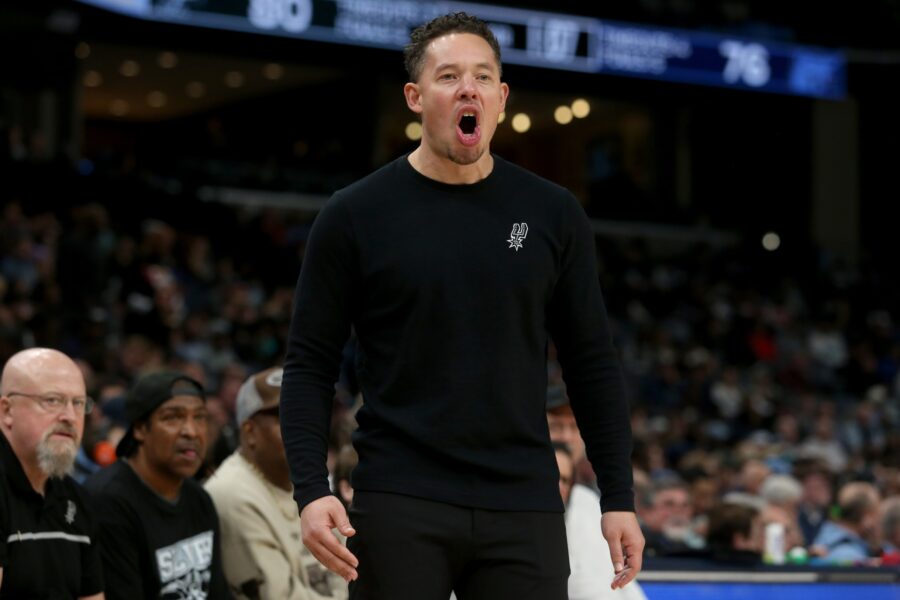
The Spurs forced Game 7 in Oklahoma City on the back of Dylan Harper's 18-point, 22-minute spark and a defensive gameplan that has systematically disrupted the Thunder's best player. Stephon Castle, San Antonio's second-year guard, has emerged as the primary architect of that containment—his on-ball smothering has compressed Gilgeous-Alexander's operating space throughout the series, limiting rhythm and forcing the ball into less efficient hands. That framework will face its final exam Saturday night in a do-or-die setting where Oklahoma City, as defending champions, enters with championship composure and the home crowd as a tactical advantage.
Mitch Johnson's confidence in his team's overall quality is warranted. The Spurs believe they possess superior depth and floor spacing; they've demonstrated it by winning the last two games and forcing a Game 7 against a juggernaut. But championship teams don't panic in elimination. Oklahoma City will be at its crispest—better spacing, faster ball movement, and SGA hunting for offense earlier in possessions to avoid the Castle wall. The Thunder's bench and role-player shooting have been adequate; if they tighten their execution and SGA finds early rhythm, San Antonio's defensive structure becomes reactive rather than proactive. Johnson is explicitly preparing his team to absorb Oklahoma City's sharpest punch, which is the correct framing. Assume the Thunder play nearly flawless basketball.
Dylan Harper's resurgence matters more than his Game 6 line suggests. The second overall pick spent Games 3-5 compromised by a hamstring injury—a subtle but persistent brake on his aggressiveness and court spacing. His return to 18 points on 67% shooting in Game 6 signals a return to baseline explosiveness. If Harper can sustain that aggression in Game 7, particularly in transition and off-ball catch-and-shoot situations, San Antonio gains a secondary scorer who can operate without requiring offensive creation. Devin Vassell's readiness—despite a sleepless Friday night—appears intact; his presence as a versatile wing ensures San Antonio maintains defensive flexibility against Oklahoma City's multi-position scoring threats.
From a betting perspective, Castle's Game 7 assist line and Gilgeous-Alexander's point total are the clearest angles. If the Spurs' defensive scheme holds form, SGA's scoring will be constrained even if the Thunder's role players activate; Castle's usage will rise in response to Oklahoma City's intensity, potentially pushing his assist total above season-long averages. Conversely, if Oklahoma City's pace quickens early or role players hit shots off SGA's gravity, the Spurs' half-court defense becomes insufficient and Castle's playmaking opportunities compress. The edge exists in recognizing that Game 7 typically rewards the team with superior role-player reliability—and the Thunder's championship experience usually translates into better ball movement and off-ball execution under pressure. San Antonio's defense is sound but not elastic; it breaks when hit repeatedly.
The Spurs are the better five-man unit on paper; the Thunder are the better seven-man unit when stakes demand it. That variance matters for scoring totals and assist lines more than for single-player prop ceilings.