Warriors Purge Coaching Staff as Kerr Stays Put—What It Means for Golden State's Offensive Identity
By Erik Schwartz ·
Terry Stotts and Jerry Stackhouse are gone, but Steve Kerr's return signals the franchise still believes in continuity at the top—even as the system gets dismantled around him.
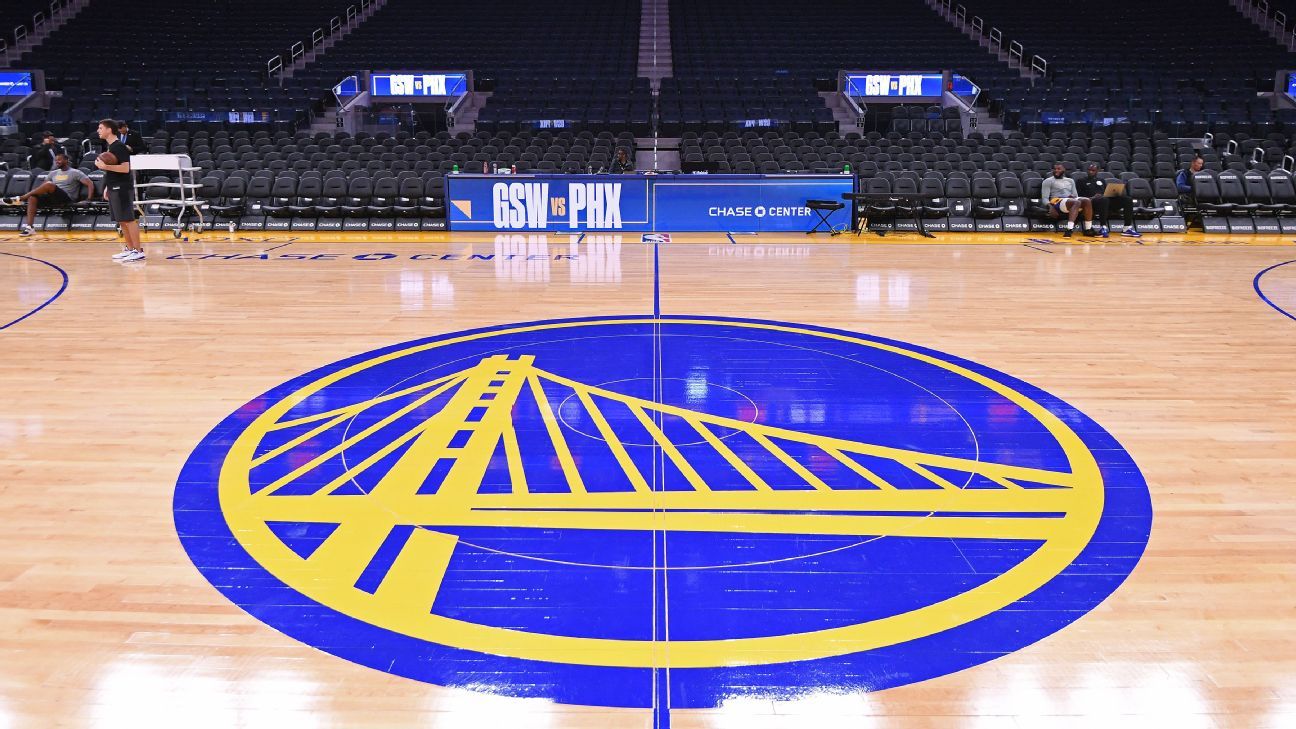
The Golden State Warriors are cleaning house on the assistant coaching front. Terry Stotts, who spent two seasons as Kerr's lead assistant and offensive coordinator, and Jerry Stackhouse, the defensive coordinator hired last summer, are both departing after their contracts expired. Stotts informed Kerr late in the regular season of his exit; Stackhouse is actively pursuing head coaching opportunities. The moves come after a 37-win season that saw the Warriors miss the play-in entirely—a historically low point for a franchise accustomed to contention.
Stotts leaves on amicable terms, having completed a nearly three-decade coaching career that included nine seasons as Portland's head coach. His departure removes the architect of Golden State's offensive sets from the past two years. Stackhouse, who filled the vacancy left by Kenny Atkinson's move to Cleveland, had implemented a defensive scheme that struggled to contain modern spacing. Together, their exits represent a structural reset. Chris DeMarco already departed in January for the New York Liberty head job, accelerating the timeline for reconstruction. Only Kris Weems, a longtime assistant, is expected to survive the purge. The Warriors are in early-stage recruitment for replacements, with former Pelicans coach Willie Green among the candidates—a connection that traces back to his 2016 start with the franchise and his time on Kerr's staff.
Kerr's two-year contract extension, announced last week, keeps him as the NBA's highest-paid head coach despite the organizational chaos. This reveals management's calculus: the problem isn't the system or the voice at the top—it's the supporting cast and the roster construction around Steph Curry. Kerr stays; the implementing assistants turn over. That split decision matters for how the Warriors will operate offensively moving forward. A new lead assistant with different offensive philosophies could shift the type and frequency of actions Curry runs through, potentially affecting his assist-to-turnover ratio, screen-action frequency, and even his on-ball usage rate.
For prop bettors, the immediate takeaway is volatility in Curry's statistical profile during the preseason and early regular season. A new offensive coordinator typically requires 10-15 games for players to re-sync rhythm with spacing, timing, and read progressions. If the Warriors hire someone aligned with Kerr's principles (Willie Green would likely preserve the current scheme), the adjustment window narrows. If they go in a different direction—a more isolation-heavy or pick-heavy coordinator—Curry's assist totals could dip in the first month while the team reprograms. His turnovers, conversely, might tick up as miscommunications surface. This is a high-variance window, not a persistent edge; the market will overshoot in one direction (either overvaluing his early-season consistency or underpricing adjustment risk) and normalize within a month.
The roster refresh that management has signaled will follow compounds this uncertainty. Without knowing which shooters and defenders arrive around Curry, the offensive spacing metrics that drove his season-long prop lines won't stabilize until late September or early October. Smart bettors should wait for preseason data before committing to full-season Curry assist or points overs. The signal here isn't predictive—it's a red flag that early-season lines will be less reliable than they are in normal offseasons.