Powell's $45M Bulls Gamble: Why His Scoring Floor Just Shifted Lower
By PropBetEdge Editorial Team ·
Norman Powell joins Chicago on a two-year deal after an All-Star season in Miami, but reduced role and defensive load will compress his scoring output.
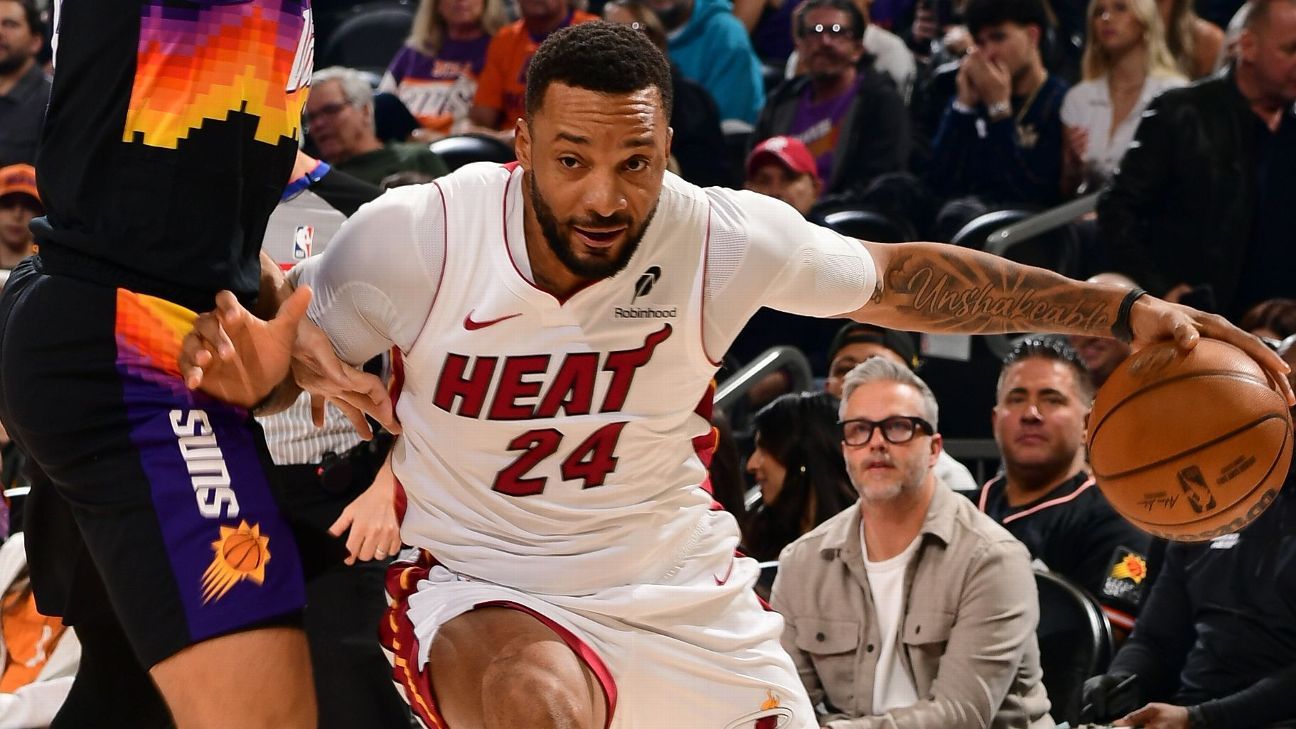
Norman Powell has agreed to a two-year, $45 million contract with the Chicago Bulls, per ESPN. The guard arrives fresh off an All-Star campaign with the Miami Heat, where he averaged 21.7 points per game while shooting 47% from the floor and draining 38% of his 3-pointers. On paper, it looks like a clean sideways move for a prolific scorer. The market already disagrees.
Powel's skill set remains intact—he's now a career 40%+ three-point shooter across his time with the Clippers, Heat, and earlier stops—but context matters sharply in Chicago. The Bulls roster construction forces a different assignment. With Zach LaVine and Corey White anchoring the primary creation load, Powell slots into a complementary wing role rather than the secondary playmaking engine he was in Miami. Heat coach Erik Spoelstra deployed Powell with explicit offensive usage; he saw 21.3% of team possessions while on court. The Bulls' backcourt density will compress that window. LaVine handles initiator duties; Lonzo Ball (when healthy) and Ayo Dosunmu manage secondary creation. Powell becomes a catch-and-shoot operator and transition finisher, not a pull-up option in half-court sets.
Defensive leverage adds friction too. Miami's scheme allowed Powell to guard perimeter threats while rotating to help on post defense—his natural zone. Chicago plays a switching-heavy scheme under new head coach Billy Donovan, forcing more isolation burden on wings. That's higher-variance minutes allocation and earlier foul trouble in playoff moments, historically Powell's vulnerable stretch. His 58-game availability window last season signals durability risk; the added defensive burden in a switch-heavy system could extend that calendar.
For prop bettors, the mechanism is straightforward: Powell's scoring floor drops because creation volume falls, not because his efficiency regresses. His 21.7 PPG in Miami survives only if he maintains 21%+ usage. Chicago's construction makes that untenable. Target his season-long points total below 17.5 if books price it at parity with his Heat average. Early-season overs on his nightly scoring (above 18.5) should face steam as the role clarifies; the line will widen downward by October as the offense settles. This isn't a player regression—it's a roster math problem. His three-point percentage will hold near 38-40% because that's skill. Total volume and field-goal attempts will not.