Pistons Passed on Dosunmu; What It Says About Their Guard Room Going Forward
By Ty Whitney ·
Detroit's reluctance to match Minnesota's price for Ayo Dosunmu reveals hard truths about roster construction and the cost of mid-season upgrades.
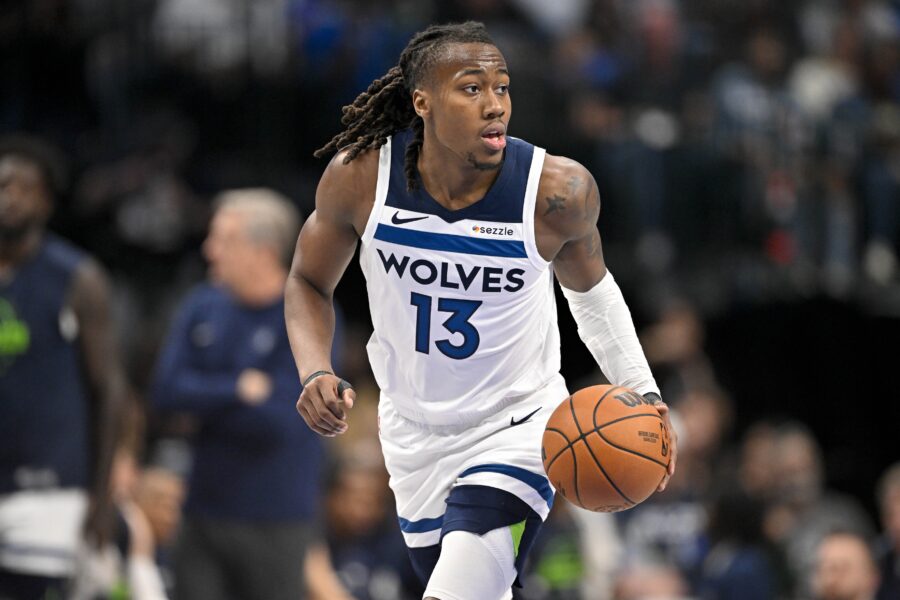
The Pistons explored acquiring Ayo Dosunmu at the trade deadline but walked away when the asking price climbed too high. Minnesota ultimately landed the guard by surrendering Rob Dillingham, Leonard Miller, and four second-round picks to the Bulls—a haul that Detroit deemed too steep for a player heading into unrestricted free agency.
The decision reflects a broader calculation about asset preservation. Dosunmu offers immediate perimeter depth and secondary playmaking, but at the cost of young capital that the Pistons view as foundational to their long-term arc. The Timberwolves' willingness to part with future draft flexibility—even second-rounders—suggests they see Dosunmu as a missing piece in a contention window. Detroit, still in the growth phase with Cade Cunningham and Jalen Duren, weighted the short-term gain differently.
What makes this relevant to the betting conversation is how guard depth shapes offensive execution. A roster lacking scoring flexibility off the bench typically compresses shot-taking opportunities into fewer hands, which creates predictable volume patterns for props. If Dosunmu doesn't arrive and Detroit continues rotating minutes among the same guard rotation, Cunningham's assist rate and shot distribution remain anchored to fewer secondary creators. Conversely, teams that add playmaking depth—like Minnesota did—can mask individual offensive load by distributing creation duties, which historically lowers the volatility of any single player's game-to-game scoring and passing numbers.
For prop bettors, the Dosunmu non-acquisition is a soft signal about Detroit's offensive architecture for the remainder of the season and into next year. Cunningham's assist totals benefit from having capable secondary creators to dump the ball to in high-leverage possessions. Duren's pick-and-roll usage remains relatively stable because the team hasn't added another high-usage ball-handler. These props are less likely to spike from added offensive firepower and more likely to remain consistent—which can work in favor of unders if the market prices in inflated upside based on playoff contention narratives.