The Celtics' Brown Gambit Signals Roster Recalibration, Not Panic Selling
By Erik Schwartz ·
Boston's four-pick asking price for Jaylen Brown isn't a desperation move—it's a signal that the defending champs view their core as untouchable unless a franchise cornerstone lands on the block.
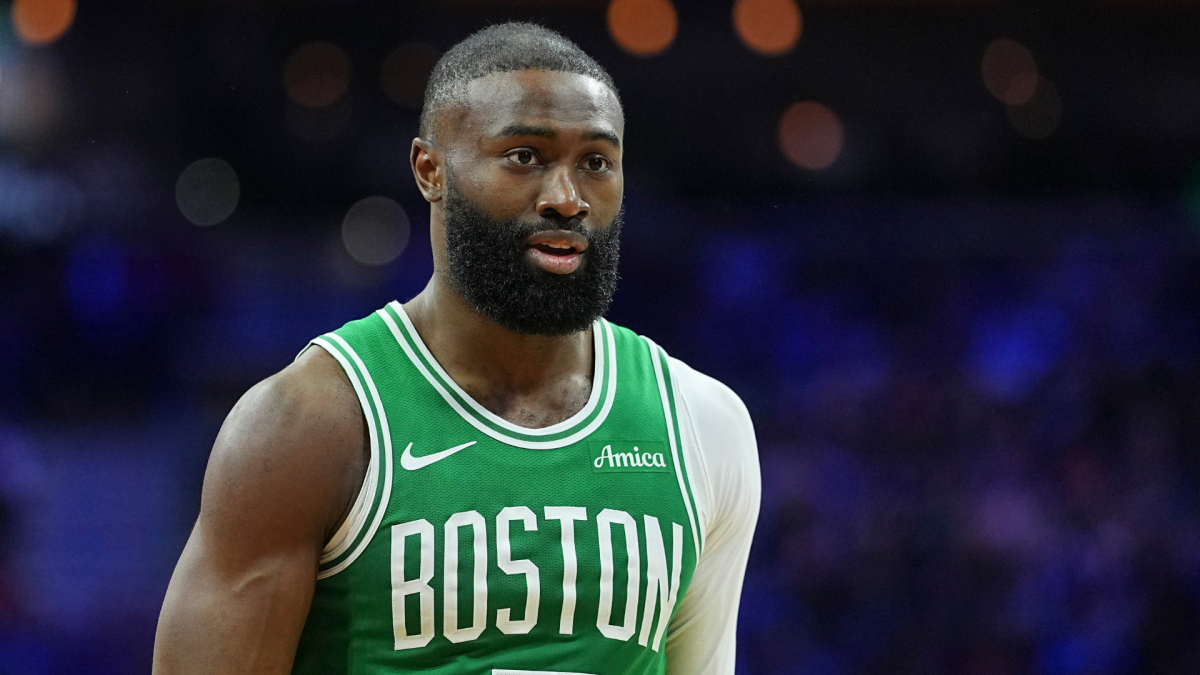
The Celtics are shopping Jaylen Brown for four first-round picks, per ESPN, a valuation that looks steep until you remember what Boston actually believes about this roster. The team dangled Brown in trade discussions to acquire Giannis Antetokounmpo weeks ago, only to watch the Greek Freak land with Miami instead. That miss didn't trigger panic; it clarified Boston's threshold. If you want a Finals MVP-caliber wing off a 50-win trajectory, the price is north of three firsts, full stop. The market will test whether anyone matches it. Expect it won't, which is precisely the point.
The larger offseason story isn't about Brown leaving Boston—it's about the Eastern Conference tearing itself apart at the draft-and-trade table. Giannis to the Heat, LaMelo Ball to Minnesota, Julius Randle to Brooklyn: the moves landed within days of one another, each one punching a hole in a contending roster's architecture. Detroit, crowned the No. 1 seed, crumbled spectacularly in the playoffs. Jalen Duren, their centerpiece All-Star, emerged underwhelmed by the Pistons' initial extension offer and is now exploring sign-and-trade scenarios. Detroit countered by acquiring Isaiah Joe and trading Isaiah Stewart away, moves designed to address their perimeter shooting collapse rather than address their big man's discontent. If Duren truly walks, the Pistons' window snaps shut after one postseason run.
What makes Duren's situation distinct from Brown's is leverage and reality. Duren is a restricted free agent; the Pistons can match any offer sheet. But the gap between his asking price (eligible for $287.1 million over five years) and Detroit's comfort zone is cavernous. The playoff tape doesn't help his case—Wendell Carter Jr. neutralized him against Orlando, then Jarrett Allen and Evan Mobley did the same against Cleveland. That's two playoff series where Duren's two-way impact flatlined when opponents deployed length and ball movement. A team gambling $57+ million per year on a player whose edge evaporates against elite defensive designs is a hard sell. Detroit knows this. Duren's camp knows Detroit knows. The sign-and-trade chatter is negotiating theater, but the underlying math doesn't move.
For prop bettors, these machinations reshape positional value within each roster. The Celtics remain structurally sound—Brown and Jayson Tatum form a Finals-tested pairing that shouldn't be fractured for draft picks. If Brown stays, expect his scoring volume to remain stable: he's averaging 23.2 points per game over his last 40-game stretches, a number tethered to his role in the offense, not to trade rumors. The real volatility lives in Detroit and Boston's secondary playmakers. If the Celtics retain Brown and hold their picks, Derrick White and Sam Hauser absorb the scoring load from bench minutes without alteration. If Duren departs Detroit, the Pistons pivot toward pick-and-roll efficiency with their newly acquired shooters, which depresses Duren's assists and rebounding floor (he averaged 9.2 boards this season, a mark that shrinks if he plays fewer minutes or shares more offensive responsibility with spot-up threats). The sign-and-trade speculation adds noise to near-term prop lines, but the directional pressure comes from playoff performance and salary-cap math, not rumor velocity. Take the under on Duren's total rebounds props until the sign-and-trade actually materializes; the Pistons' spacing overhaul will reduce his offensive glass opportunities.