Terry Rozier's Indictment Exposes the Integrity Liability Built Into Player Props
By PropBetEdge Editorial Team ·
Federal prosecutors allege the Heat guard took $70,000 to exit a game early and tank his own statistical totals—a case study in why sportsbooks remain exposed to collusion that props alone cannot police.
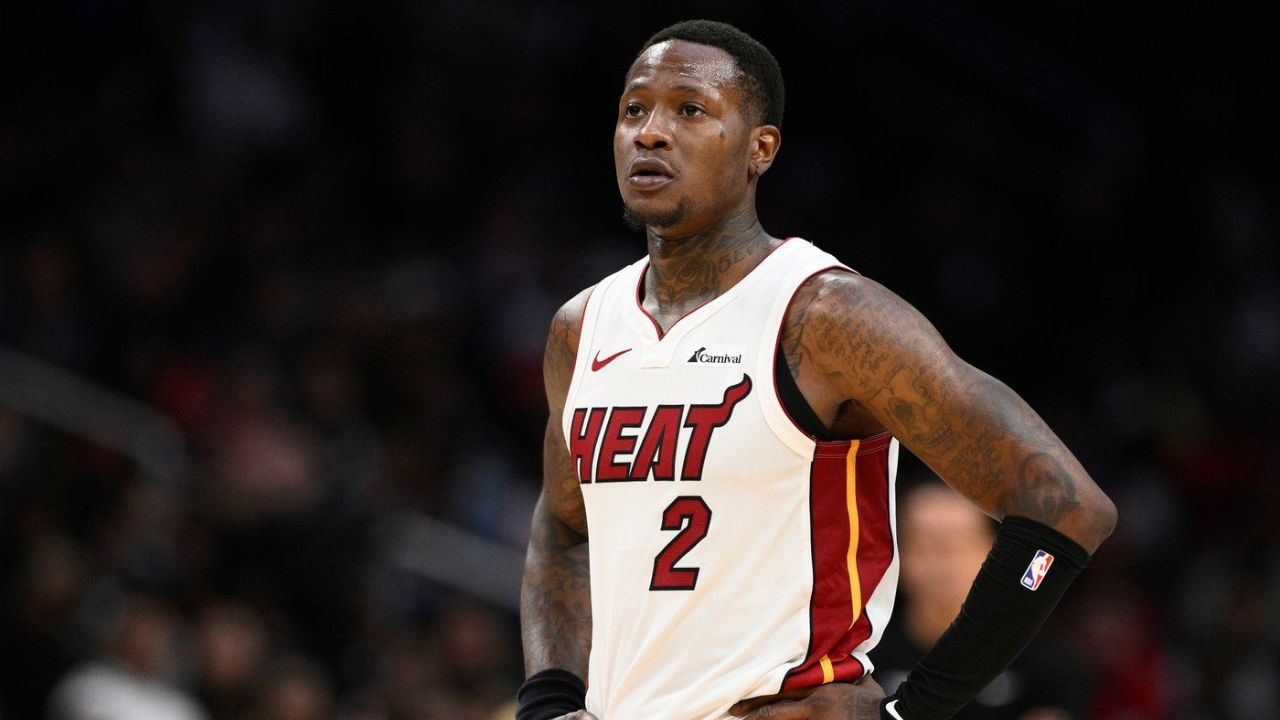
Terry Rozier faces fresh federal charges alleging he accepted a bribe to exit a March 2023 game early, conspiring with professional gamblers to depress his own scoring and assist totals below the sportsbook lines. The superseding indictment filed in Brooklyn federal court adds bribery in sporting contests and honest services wire fraud conspiracy to his existing charges; Rozier has denied all allegations and remains free on $3 million bond. His co-conspirators—including sports bettor Marves Fairley, who pleaded guilty Thursday—wagered over $250,000 on Rozier props, banking on statistical shortfalls tied to his fabricated injury exit.
The mechanics of the scheme reveal a structural vulnerability in NBA player prop markets that regulation and sportsbook controls have not yet closed. Fairley paid Rozier's associate $100,000 for advance notice that Rozier would leave the game citing a lower-leg injury, then built a betting ticket around depressed lines on Rozier's points, assists, and other per-game totals. The conspirators negotiated a discount—cutting Rozier's bribe from $100,000 to roughly $70,000—after his four rebounds exceeded the betting line, exposing the granular precision these schemes demand. Former NBA player Damon Jones, already part of this case, pleaded guilty last month to similar fraud targeting DraftKings and FanDuel. The pattern suggests this was not a one-off event but a repeatable methodology: identify a player with injury equity or tactical flexibility, secure a tip about early exit or reduced role, construct a prop package built on statistical thresholds, and execute.
From a betting market perspective, the Rozier case underscores why sharp bettors and sportsbooks treat individual player props with caution when injury reports shift in real-time or when a player's role unexpectedly contracts without public explanation. The indictment names the Charlotte Hornets as a party defrauded—the team was kept in the dark about Rozier's arrangement—which means the conspicuous injury absence was coordinated outside normal team and league decision-making. That opacity is the red flag: when a star player's game-day availability changes hours before tip or when statistical totals compress without corresponding roster or defensive changes, the market is often pricing based on incomplete information. Sportsbooks have since tightened rules around same-game parlay construction and added human review for unusual line movement, but they cannot fully outsource integrity monitoring to statistical anomaly detection alone.
For bettors, the practical lesson is straightforward: player props involving injury-prone or role-flexible stars carry additional variance until the integrity architecture around the NBA solidifies. Rozier himself remains unavailable this season pending the outcome of his legal proceedings—his absence from the court has already eliminated his prop slate as a wagering option. But the case documents a broader problem: when a professional bettor with inside information can move six-figure sums on a single player's statistical underperformance, and when the mechanism relies on a tip that costs $100,000 to acquire, the expected value of that edge was real. The fact that prosecutors had to indict multiple parties to unwind it suggests the initial sportsbook lines themselves did not reflect the full set of risk factors at play. Going forward, expect sportsbooks to apply wider closing limits on injury-adjacent props during the 24-48 hours before tip-off, particularly when institutional money has already positioned itself on one side. The market is pricing in enforcement cost now—a premium that sharp bettors should not fight.