The 2026 Free Agent Drought: Why Star Salaries Are About to Compress
By Ty Whitney ·
Only three NBA teams will have cap space this summer, and the ripple effect is about to reshape how stars get paid.
The 2026 free agency class is walking into a structural trap. As ESPN's Bobby Marks detailed, just three franchises—Brooklyn, Chicago, and Los Angeles—project to have actual cap space heading into the offseason. The other 27 teams are locked into their salary structures, forced to rely on the $15 million non-tax midlevel exception or orchestrate sign-and-trades to swing major moves. This isn't a temporary market hiccup. It's the direct result of over 60 players signing rookie and veteran extensions across the past two seasons, a wave of pact-locking that has drained liquidity across the league.
The precedent set by Milwaukee's offseason restructuring offers a playbook—waive and stretch cap hits, create breathing room, target the available talent. But that maneuver isn't scalable across two dozen rosters simultaneously. Sign-and-trades remain the primary escape hatch; 15 players flipped teams via that mechanism over the past two years, including Klay Thompson and DeMar DeRozan. However, sign-and-trades require both a willing team parting with an asset and a destination willing to absorb salary ballast. The buyer pool is tighter than it appears.
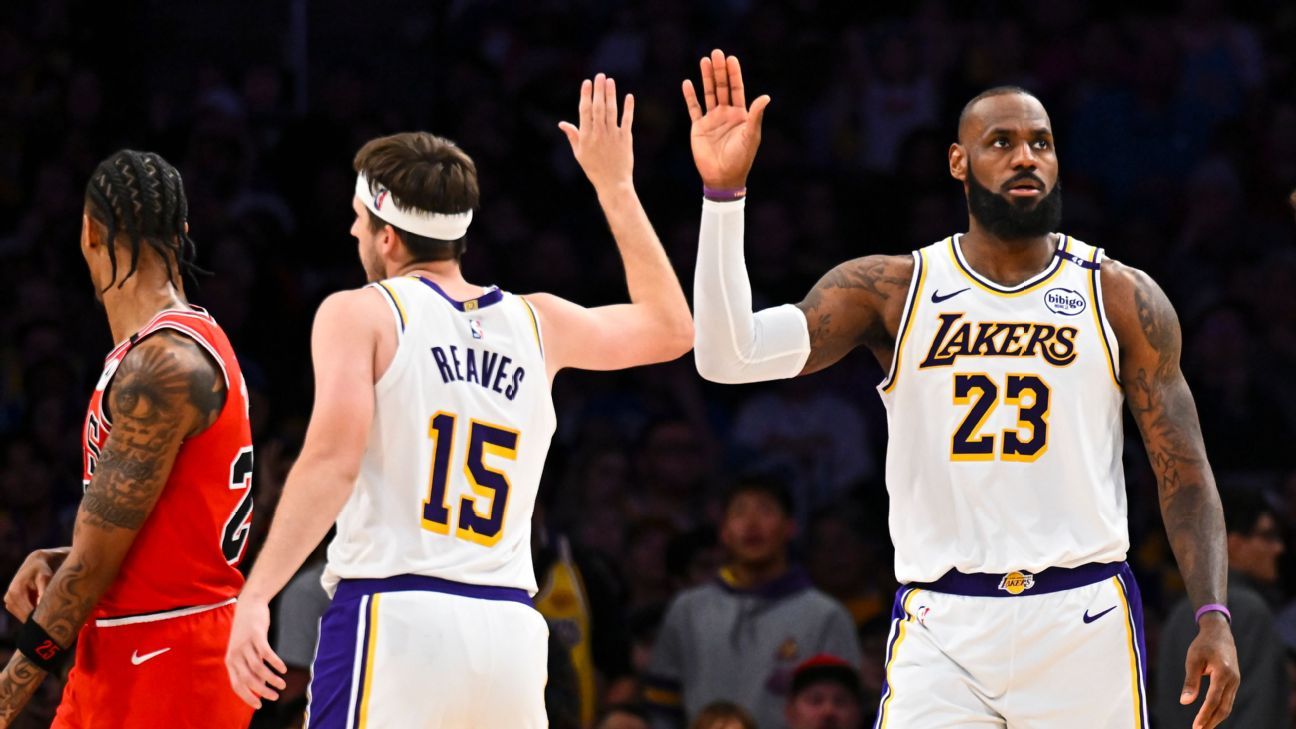
LeBron James sits atop the 2026 free agent board, still performing at All-Star caliber—23rd selection to the game's midseason showcase, averaging over 20 points, 6 rebounds, and 7 assists for a third straight year. But even his market is constrained. Marks values James at a one-year, $30 million deal with a full no-trade clause, a figure that reflects ongoing max-level impact but acknowledges the reality: there simply aren't nine teams able to clear $40+ million in cap room to bid against each other. The Lakers remain a logical destination, but they compete with a limited pool—Cleveland, San Antonio, Denver, Golden State—rather than an open auction.
For prop betting, this compression has immediate implications. Stars chasing big paydays will be forced into longer-term commitments with current teams or accept shorter, lower-AAV deals in unrestricted markets. That stability—multi-year locks rather than one-year auditions—changes player incentive structures and baseline usage patterns. A player locked into a four-year, $28 million average faces different seasonal scoring pressure than one on a prove-it deal. Teams holding stars via sign-and-trade additions also carry embedded sunk cost, affecting bench rotation and late-game deployment. When shot volume becomes constrained by cap architecture rather than coach's choice, scoring and assist prop lines tighten. Markets will price in baseline 2026 usage before the new constraints become public; early-season prop lines on 2026-27 entrants will overshoot actual floor/ceiling, especially for veterans accepting lower annual rates in exchange for security.
The real edge surfaces in player option decisions. Marks excludes players with 2026-27 team options—Lugentz Dort, Isaiah Hartenstein, Jonathan Kuminga among them—from his rankings, a smart filter that recognizes how team leverage inverts when options remain in place. Watch which players exercise their options vs. hitting the market. Those who stay absorbed less of the free agency premium, meaning their prop lines will be priced for full 2026-27 deployment without the usual mid-contract renegotiation volatility that creates usage spikes.