Malik Beasley Indicted on Game-Fixing Charges: What the NBA's Gambling Crisis Means for Player Accountability and Prop Betting Integrity
By Ty Whitney ·
Federal prosecutors have indicted Malik Beasley and Ed Davis for allegedly rigging NBA performances to cash bets—marking the sixth and seventh current or former players caught in the league's accelerating integrity collapse.
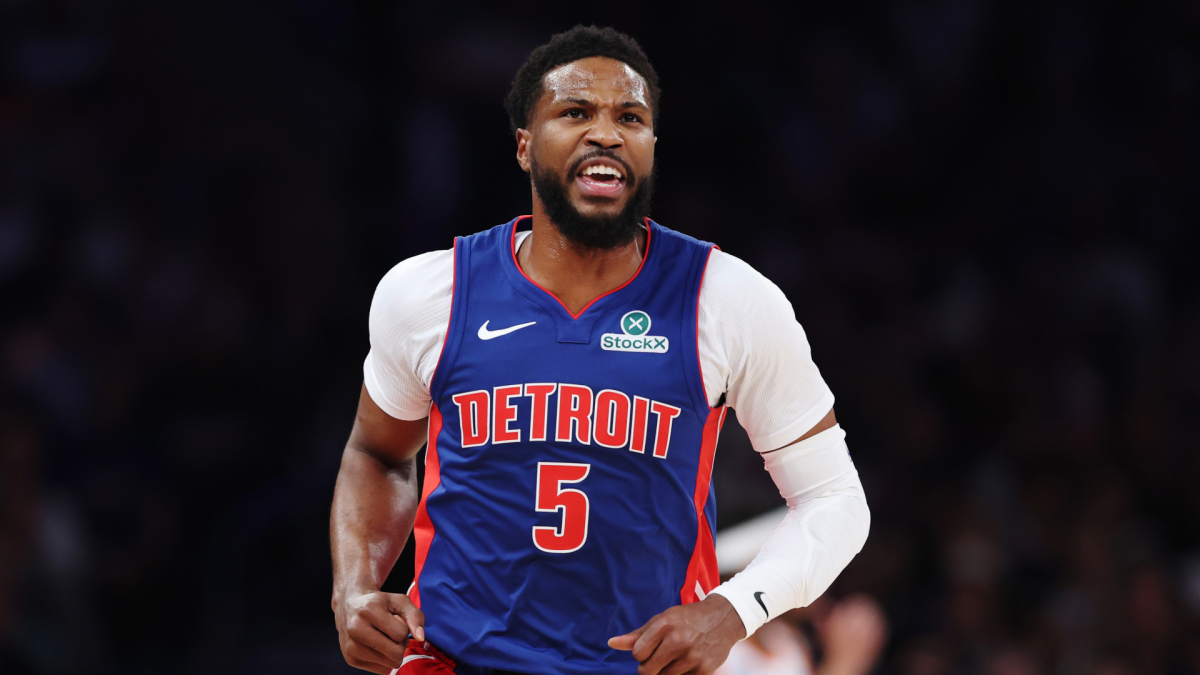
Malik Beasley was indicted today on federal sports bribery and wire fraud charges by the U.S. District Attorney's Office for the Eastern District of New York, along with five co-conspirators including former NBA player Ed Davis. The indictment alleges that Beasley deliberately manipulated his in-game performance during the 2023-24 season to help co-conspirators win prop bets, a scheme that unraveled when he failed to hit an under on rebounds in a March 21 game against Brooklyn—costing his conspirators thousands of dollars. The charges carry teeth: sports bribery, conspiracy to commit wire fraud, honest services fraud, and conspiracy to commit money laundering.
The scheme operated with surgical precision. Davis, who played alongside Beasley with the Minnesota Timberwolves in 2020-21, positioned himself as the "gatekeeper" between Beasley and the betting ring, loaning Beasley millions to cover gambling debts in exchange for performance manipulation. The indictment catalogs specific games: a Jan. 26, 2024 Bucks-Cavaliers matchup where Beasley scored three points; a Feb. 27 game against Charlotte; March 10 against the Clippers, where federal text messages show conspirators celebrating when Beasley grabbed a rebound with 1.1 seconds remaining to hit an over, one message noting he "pushed Pat Connaughton outta the way" to secure the cash. These weren't loose bets on outcomes—they were precision plays on individual player props, the exact betting products that have exploded in market share over the past five years.
This is the sixth NBA player caught in a gambling-fixing scheme in less than two years. Jontay Porter pleaded guilty in 2025. Terry Rozier pleaded not guilty on four counts. Chauncey Billups was arrested. Damon Jones is expected to change his plea to guilty. The velocity matters: the league's integrity infrastructure, never aggressive to begin with, is visibly failing to deter or detect these schemes until federal prosecutors build criminal cases. The common thread is player props—three-pointers, rebounds, assists, points—the exact market segment that has driven retail sportsbook growth and that operates with minimal real-time monitoring compared to moneylines or spreads.
For bettors, the Beasley case is a structural warning that has nothing to do with analytics or edge-hunting. It proves that prop lines carry hidden counterparty risk: a player with gambling debts and access to co-conspirators offering debt relief is a rational actor with incentive to underperform or manipulate specific stat lines. Beasley's alleged 2024-25 absence from the league (he sat out the entire 2025-26 season) and subsequent career resurrection—16.3 PPG and 319 threes on 42% shooting the season prior to the scheme—underscores how difficult it is for observers to distinguish between variance, form, and fraud in real time. The market will remain blind to this channel of risk unless books begin requiring position limits on prop parlays involving the same player and enforce lower liability caps on single-game player prop combinations. Until then, prop lines on players with documented gambling debts or known associations to betting syndicates carry unpriced tail risk.