LeBron's Discount Deal to Philadelphia Resets 76ers Championship Window—and Betting Markets
By PropBetEdge Editorial Team ·
At 41 and taking $8 million annually, LeBron James just signaled that winning matters more than money—and the 76ers immediately became a Finals contender in bettors' eyes.
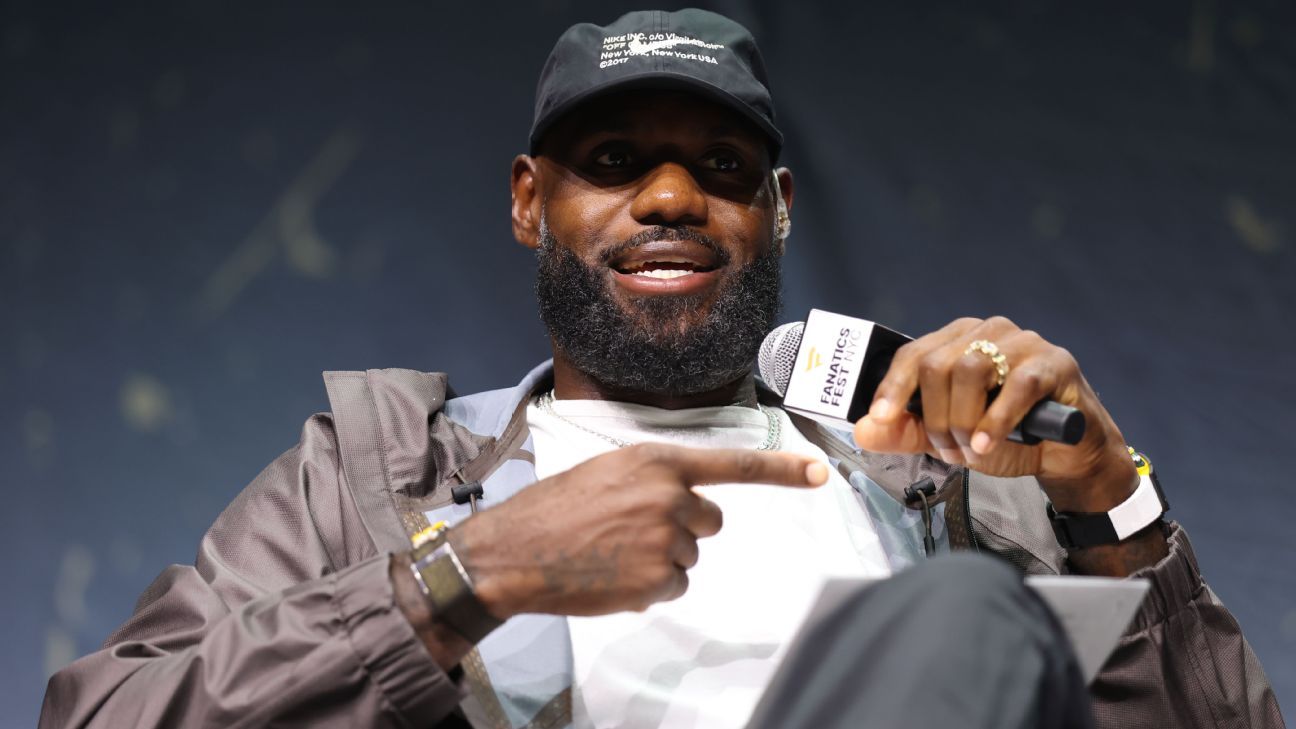
LeBron James is joining the Philadelphia 76ers on a two-year, $8 million contract, ending weeks of uncertainty about whether the 41-year-old would retire or continue chasing a fifth championship. The decision, announced Friday by Klutch Sports Group CEO Rich Paul, represents a dramatic salary cut from the $53 million James earned with the Lakers last season—and a clear signal that roster construction, not financial maximization, drove his choice.
The timing and financial terms carry outsized meaning in a competitive landscape where championship windows close fast. James could have tested the market for a veteran minimum deal with a contender, or negotiated a larger contract elsewhere. Instead, he chose Philadelphia at a price point that gives the 76ers maximum salary-cap flexibility to build around him, Joel Embiid, and Tyrese Maxey. That's not nostalgia; it's organizational calculation. Teams don't pay superstars $8 million per year unless both sides believe the marginal value of that flexibility—room to add another rotation piece, mid-season adjustments, depth—outweighs the player's individual earning power. James' willingness to accept it suggests confidence in the 76ers' construction and his ability to contribute at a meaningful level in year 24.
Betting markets have already recalibrated. The 76ers' championship odds tightened materially upon announcement; sportsbooks had priced them as mid-tier contenders before Friday. James entering the fold with a fourth team elevates them into Finals-conversation territory, particularly in the Eastern Conference where depth and secondary scoring—areas he historically improves—can compress playoff series. The 76ers now possess three All-Star-caliber wings (James, Embiid, Maxey) in a landscape where switching versatility and shot creation determine playoff survival. Embiid's scoring volume may decline fractionally as James handles secondary playmaking and mid-range creation; conversely, Maxey's assist rate should climb as James absorbs defensive attention on the perimeter.
For prop bettors, the mechanical shift matters more than narrative sentiment. James' assist rate this season will depend entirely on pick-and-roll workload and off-ball usage—metrics that correlate directly to team spacing and ball movement patterns. The 76ers run a Embiid-heavy post system; if that stays intact, James operates as a secondary initiator, driving his assists down to 5.5–6.5 per game (well below his career average of 7.2). If the offense pivots to more perimeter-driven actions with James leading them, that number swings to 7.5–8.5. Line shopping becomes critical: early totals on James' assists (likely opening around 6.5) may overweight his historical norm without accounting for his reduced role in a Joel Embiid-centric offense. Conversely, Embiid's assist line may drop 1–1.5 per game as James assumes secondary playmaking duties, creating an under on Embiid that underweights the 76ers' deepening roster depth. The edge lives in understanding role compression, not celebrity momentum.
One more layer: James' scoring volume. At 41, his efficiency typically deteriorates in back-to-backs and playoff intensity. The 76ers' offensive load distribution—how much shot creation flows through James versus Embiid versus Maxey—will determine his scoring line's viability. If books open him at 18–20 points per game (anchoring to his recent Lakers production), that's vulnerable to fade early, before live data confirms his actual role. Wait two to three weeks of preseason action before betting his scoring heavily; the initial numbers will reflect brand recognition, not deployment reality.