Kidd's Dallas Exit Signals Roster Upheaval—What It Means for Mavericks Betting
By Erik Schwartz ·
Jason Kidd is out after five seasons despite $40M remaining on his deal, and Masai Ujiri's arrival portends major lineup decisions that will reshape Dallas's offensive load distribution.
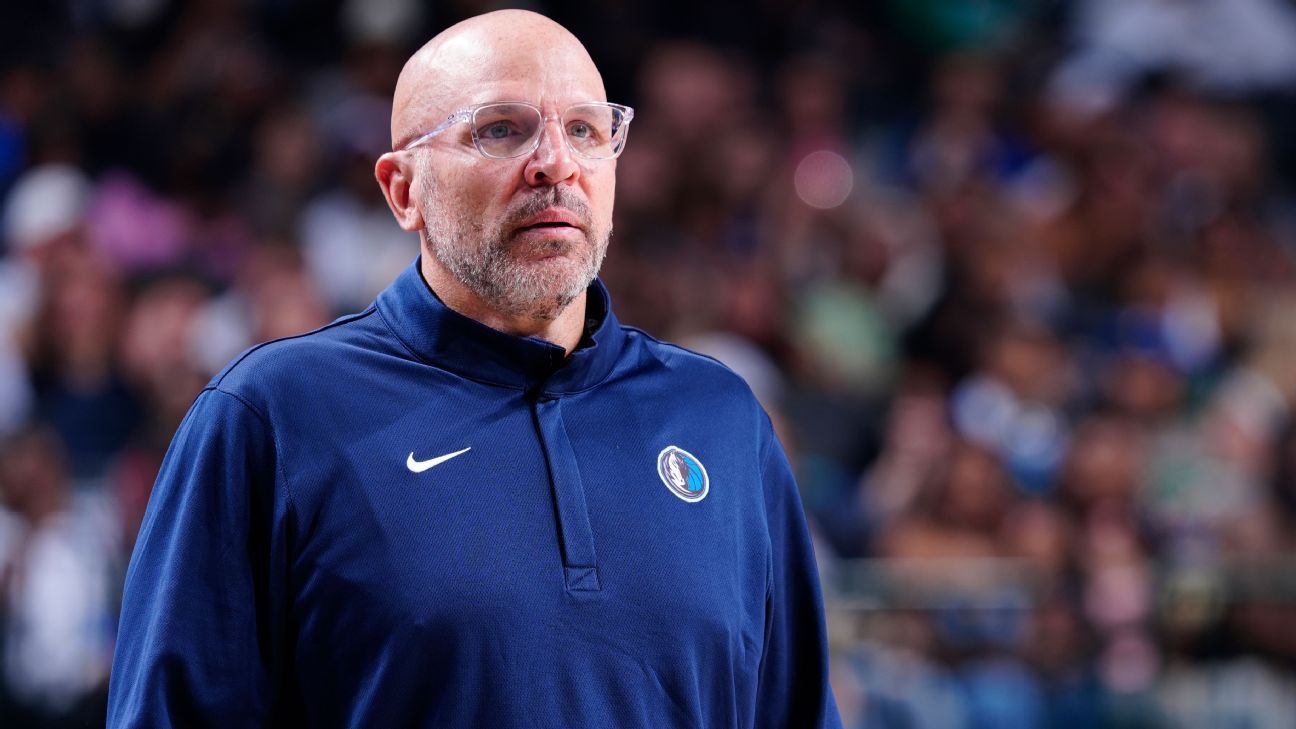
Jason Kidd's five-year run as Dallas Mavericks head coach ended Tuesday in a mutual split, per ESPN, despite four years and over $40 million left on his contract. Mavericks governor Patrick Dumont handed incoming president Masai Ujiri a blank check to reshape the roster and coaching staff, signaling that continuity—not stability—is now the franchise priority. Kidd guided the Mavs to an NBA Finals appearance in 2024, but missed the postseason in three of his five seasons, including a 26-56 collapse this year that functionally locked him out before Ujiri's May 5 introduction.
The coaching change itself is less consequential for props than what it reveals about Dallas's strategic reset. Ujiri kept George Karl in Denver and Dwane Casey in Toronto when he arrived at those jobs—he values continuity when the core is intact. The Mavericks have no such luxury. Luka Doncic's efficiency has plateaued, Kyrie Irving's availability remains a structural concern, and the role-player construction around them proved brittle under pressure. Ujiri's track record suggests he will demand more versatile, switchable defense and faster offensive rhythm than Kidd's half-court-heavy system provided. That philosophy shift ripples directly into prop valuation.
Dallas's next head coach—likely to be hired within weeks—will inherit a roster badly tilted toward Doncic usage. In 2025-26, Luka touched the ball on 32.4% of Dallas possessions when on court, among the highest rates in the league. A new coach implementing Ujiri-style spacing and ball movement could flatten that usage rate and distribute shot attempts more evenly, especially if Irving returns healthy. That would compress Doncic's scoring ceiling and widen the variance of role-player point props (role players see more touches in higher-pace offenses). Conversely, it could elevate Doncic's assist rate if the system demands more facilitation and swing passes to open shooters.
The coaching vacancy also creates genuine uncertainty around which role players Dallas retains. Under a Kidd replacement, some of the veteran role players who underperformed in the Finals run may not survive a second evaluation. That turnover—combined with Ujiri's known preference for youth and optionality—suggests the Mavericks could be sellers at the trade deadline or aggressive in the draft if they fall in the lottery again next season. For bettors, this means team-total and bench scoring props for Dallas will be unreliable until the new coach's preferred rotation solidifies, likely after training camp in October. Early-season Mavericks props will carry elevated variance and wider-than-normal line movement as the market reprices for a new system.
The single durable takeaway: Doncic's usage will almost certainly decline from 2025-26 levels under any competent successor coach, simply because 32%+ possession rate is unsustainable and Ujiri's philosophy demands it. That makes Doncic points overs vulnerable in early-season matchups against defenses that can force role-player participation. Wait for the new coach hire, observe three to four games under the new system, and then target Doncic points unders only after the market has already adjusted to usage decline—the edge exists, but it won't reveal itself until mid-October when habits solidify.