Utah Pivots to Hayes After Kessler Trade: A Rotation Recalibration With Modest Ceiling Impact
By PropBetEdge Editorial Team ·
The Jazz shore up their frontcourt depth with a low-cost center, but Hayes' limited offensive range narrows Utah's spacing and pick-and-roll upside.
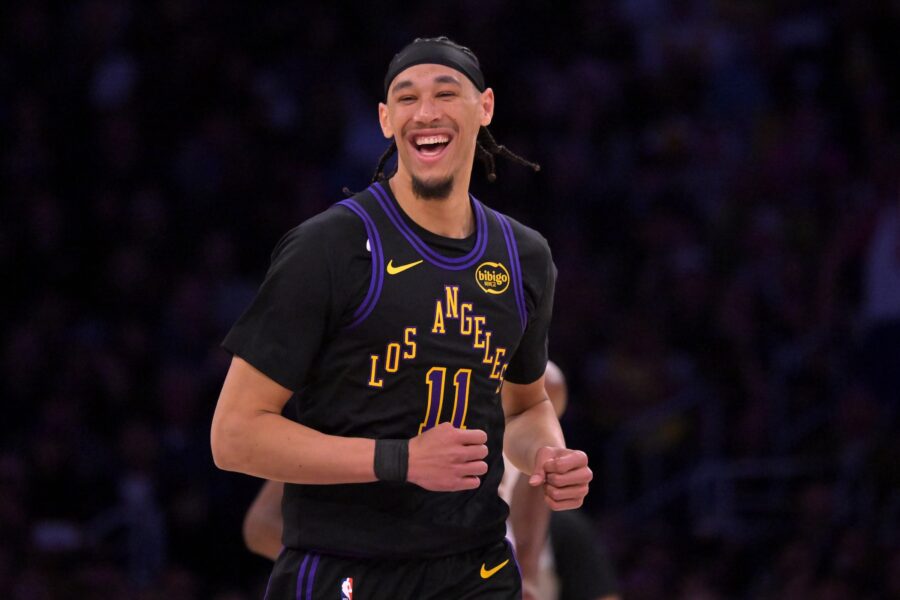
Utah has signed free agent center Jaxson Hayes to a two-year, $12 million contract featuring a team option on the second year, filling rotation depth after trading Walker Kessler to the Lakers. The 26-year-old Hayes arrives as a backup-to-starter pivot, tasked with providing rim protection and rebounding without the modern offensive toolset that made Kessler more fungible.
Hayes has carved a journeyman path through five NBA seasons: drafted 10th overall by the Pelicans in 2019, he's since cycled through Philadelphia and Los Angeles, never establishing a primary role. His calling card remains a 7'0" frame and lob-catching instincts, but he does not space the floor. Over his career, Hayes has attempted 0.2 threes per game and shot 51.1% from the field overall—a mark that reflects heavy reliance on dunks and drop-step opportunities near the rim. In Los Angeles last season, he played 15.2 minutes per game behind Anthony Davis and Christian Wood, recording 5.2 points and 4.8 rebounds in limited opportunity. Utah's willingness to invest $6 million annually signals confidence he'll earn expanded minutes, but the contract structure—a team option in year two—telegraphs caution.
For Utah's offensive shape, Hayes represents a clear downgrade in spacing compared to Kessler's three-point attempts and mid-range viability. The Jazz, even in a rebuild posture, now deploy a non-shooting center at a moment when the league has shifted almost entirely toward spread-floor lineups. Hayes will clog the paint on pick-and-roll actions, forcing guards like Keyonte George and Collin Sexton into tighter window creation. His screen-and-roll gravity diminishes without perimeter threat, and Utah's total scoring volume—already modest in a youth-heavy rotation—faces additional pressure on spacing efficiency.
From a prop perspective, Hayes' insertion into Utah's frontcourt rotation depresses total team scoring expectations. The Jazz's offensive rating already sits in the bottom quartile; adding a non-spacing big alongside lagging perimeter creation widens that gap. Monitor Utah's team total in early-season matchups: a projected 110-115 range becomes vulnerable on the under, particularly in games where George or Sexton face switching defenses that typically yield higher assist rates. Hayes' non-threat status removes secondary-option creation angles that might otherwise inflate bench-unit scoring in blowout situations. Additionally, Hayes' minute allocation remains capped by contract size and team-option language, limiting ceiling scenarios where his rebounding and rim-running would spike combined totals. His personal point total will hover in the 4.5-6.5 range depending on matchup size; lean unders in that range early, as Vegas has not yet adjusted for Utah's spacing deterioration.