LaMelo Ball Trade Market Opens: What Charlotte's Price Tag Means for His Prop Value
By Erik Schwartz ·
Multiple teams are aggressively bidding for the Hornets' star point guard, signaling Charlotte's willingness to move him before the 2026-27 season.
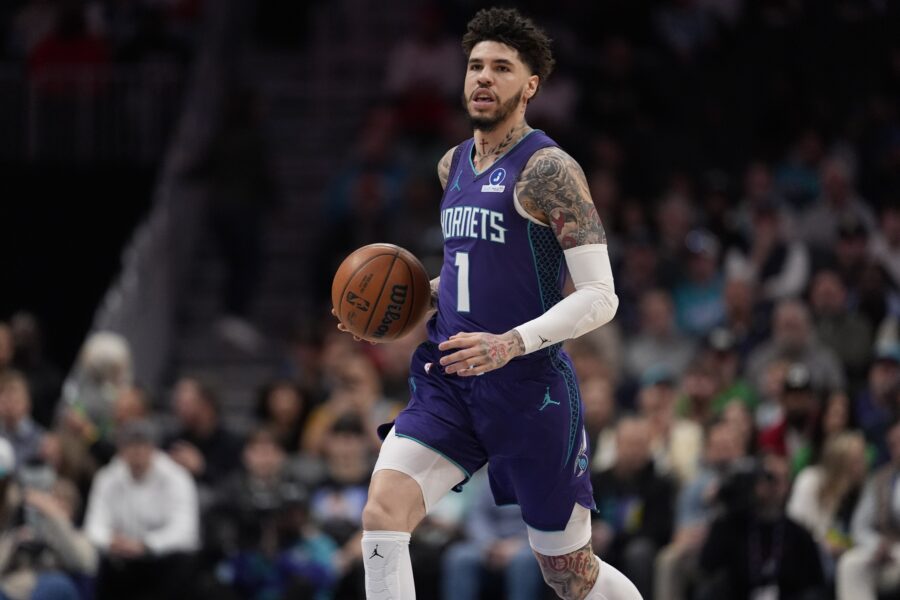
The Hornets have entered active trade discussions around LaMelo Ball, with ESPN's Shams Charania reporting that several franchises are mounting aggressive pursuit. This isn't exploratory chatter—teams are tabling offers, and Charlotte has signaled openness to moving its franchise guard if the compensation reaches the threshold the organization has set. Ball, 26, remains one of the league's most dynamic offensive engines despite a career plagued by injury setbacks and durability questions.
The trade market opening around Ball carries immediate implications for how we should think about his scoring, assist, and combo lines for next season. A player's destination materially shifts offensive volume and hunting frequency. If Ball lands with a contender running heavy pick-and-roll action or a system that maximizes his facilitating gifts, his assist floor rises. If he joins a team needing shot volume in a slower-paced system, his scoring prop could widen upward. The uncertainty here is real—his market value is being repriced in real time, and books will be slow to adjust prop windows until his landing spot is finalized.
Charlotte's willingness to move Ball also tells us something about the franchise's internal cap picture and competitive timeline. Teams don't enter aggressive trade talks around a 26-year-old talented ball-handler unless ownership has decided the current core isn't working or roster architecture requires a reset. That reset has ripple effects: Ball's next team will likely have a different supporting cast, different pace, different offensive identity than Charlotte's 2025-26 configuration. His per-game averages—and the props attached to them—will drift away from what we observed this past season.
For bettors, the immediate play is caution. Props on Ball's 2026-27 lines—especially his team total, assists, and scoring—should be avoided or faded until he lands. The market will price his line to a generic baseline, but his actual output depends entirely on context we don't have yet. Once a deal closes, there will be a 48-72 hour window where early books and player props haven't fully adjusted to his new team's pace, depth chart, and offensive scheme. That's when an edge emerges: taking the over on his assists if he joins a team needing playmaking depth, or fading his scoring if he lands in a volume-constrained role. Right now, the only sound bet is to wait.