Sam Presti's Complementary Pieces Strategy: How Caruso and Hartenstein Built OKC's Championship Core
By PropBetEdge Editorial Team ·
Oklahoma City's GM rejected star-chasing for character and fit, acquiring defensive specialist Alex Caruso and rim-running center Isaiah Hartenstein as the final anchors of a young Thunder supercore.
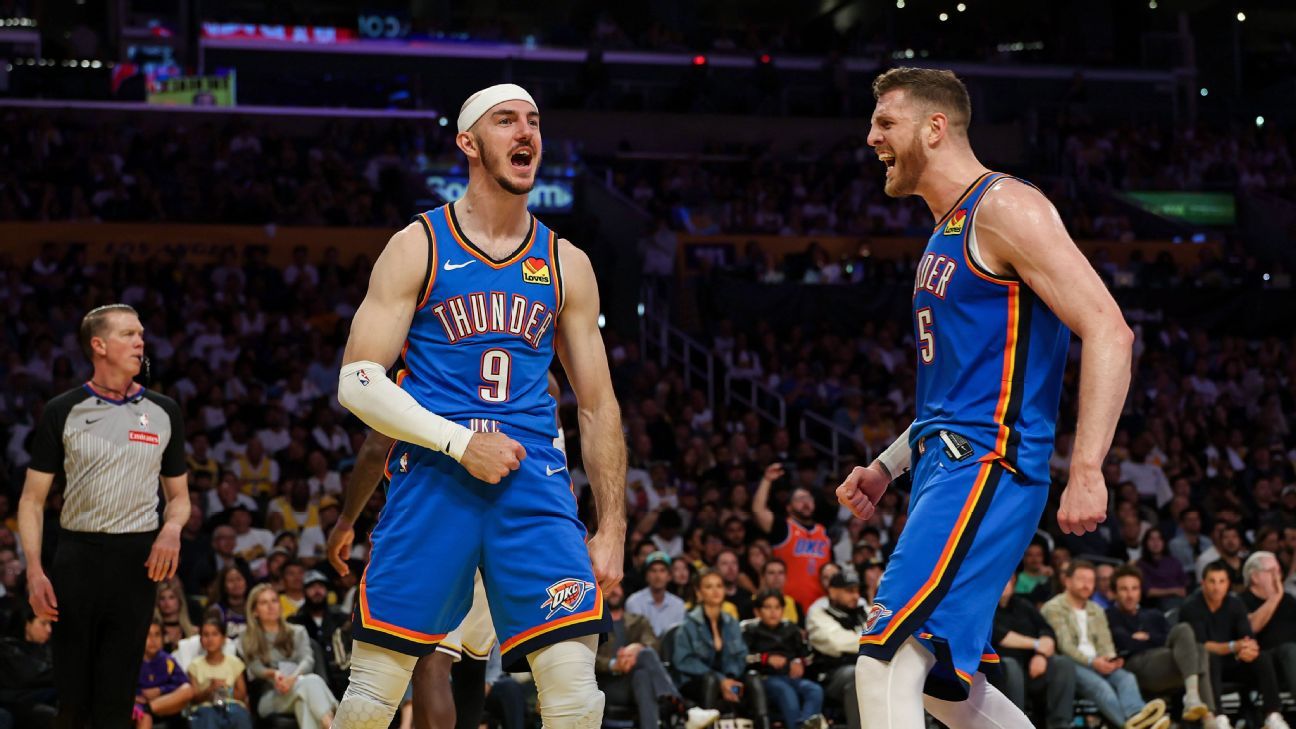
Sam Presti didn't fly to Eugene, Oregon, to dazzle Isaiah Hartenstein with promises of stardom or minutes. Instead, the Thunder general manager opened their meeting by lowering expectations: "I can't promise you minutes. I can't promise you a role. But I can promise you a culture." Three years and $87 million later, Hartenstein signed. Nine days earlier, Presti had acquired Alex Caruso from the Bulls—a championship-tested perimeter defender with a 2020 Lakers ring—in a trade that signaled a tactical shift away from star-chasing toward construction of complementary depth around a locked-in young core.
The Thunder's path to this moment was deliberate. After emerging as the youngest No. 1 seed in NBA history during the 2023-24 season, Presti resisted the urge to overhaul. Oklahoma City made minimal moves at the 2024 trade deadline, acquiring expiring salary (Gordon Hayward) and future optionality (Dallas 2028 first-round swap rights) rather than win-now upgrades. When the Mavericks eliminated them in the second round—a loss that exposed defensive vulnerabilities and spacing gaps—Presti had his mandate: not to add another star to Shai Gilgeous-Alexander, Chet Holmgren, and Jalen Williams, but to surround them with the right complementary archetypes. Caruso provided perimeter defense and secondary playmaking. Hartenstein, despite his journeyman resume—waived once, traded multiple times before finding traction with New York—offered anchoring presence in the mid-post and roll-man efficiency. Both were character additions as much as skill acquisitions: selfless, intelligent, physically tough players who elevated locker-room cohesion without demanding usage.
This roster construction philosophy has direct implications for how to read individual prop markets. Hartenstein's role is structurally limited—he's a finisher, not a featured scoreline—which means his point and rebound projections will reflect low-volume looks. His value accrues through rim-running efficiency (high shooting percentage, few possessions) and defensive presence (steals, blocks in limited minutes). Caruso operates the same way: his assists and threes come from specific spot situations, not primary creation. When markets price these players as if they're accumulating 35+ minutes of heavy usage, the books are mispricing scarcity. Hartenstein's assists and Caruso's 3PM totals carry edge when you recognize their role is to finish possessions the stars create, not to inflate counting stats.
The Thunder's record since adding these pieces validates the strategy. Young cores need more than talent arrangement; they need cultural ballast. Gilgeous-Alexander publicly credited Presti's philosophy of "passing on talents to get human beings," a framing that sounds soft until you study winning rosters—they're built on role clarity and trust, not maximum individual scoring. For prop bettors, this means Oklahoma City's offense should remain predictable and efficient. Caruso's minutes will fluctuate, but his per-minute output should be stable. Hartenstein's scoring ceiling is capped by role, but his floor (in terms of eFG%) is higher than a volume scorer's because he only takes high-percentage attempts. Fade prop overs that assume increased usage; lean unders that price these complementary pieces as if they're acquiring expanded roles mid-season.