Giannis Trade Dominoes: Why Miami Doesn't Move the Needle, and What It Means for Draft Capital
By Erik Schwartz ·
If the Bucks trade their franchise player to the Heat, Milwaukee's rebuild hinges on converting draft picks into production—a gamble that will ripple through prop pricing for Pacers and Heat rotations.
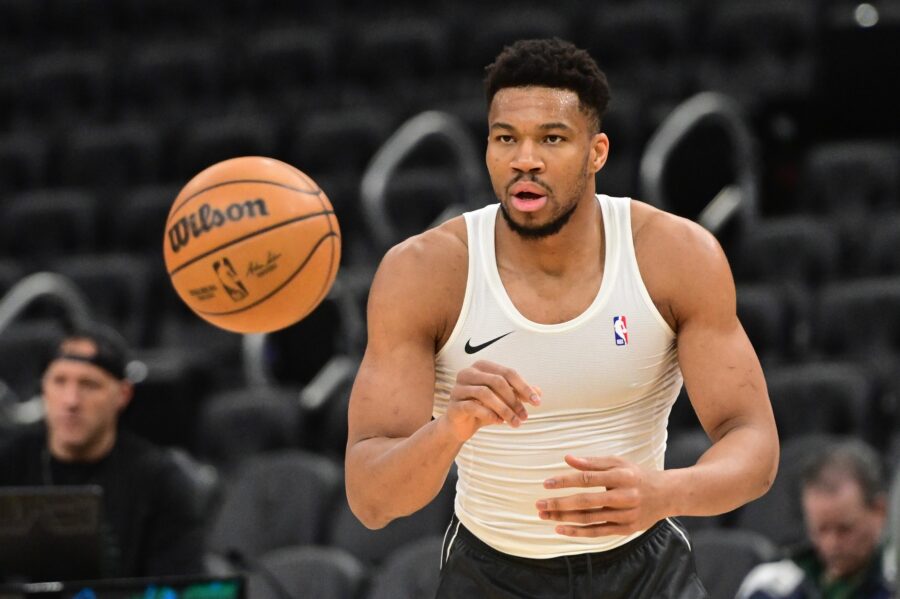
The Giannis-to-Miami whispers are growing louder as the 2026 draft approaches, but the math doesn't work for either side. Per reporting from Jake Fischer, Milwaukee would secure the Heat's No. 13 pick plus additional draft capital if they moved their two-time MVP. The problem: adding Giannis doesn't vault Miami into contender status. The Heat lack a secondary All-Star caliber creator to unlock his midrange scoring and floor spacing—Butler is aging, Adebayo is a finisher not an initiator, and the supporting cast remains thin. For Milwaukee, accepting Miami's offer (a lottery pick and role players) ignores better paths: Boston, Denver, or an Eastern Conference rival would likely offer more proven talent or pick assets to compete immediately.
What actually matters for bettors is the why Milwaukee would pivot so aggressively toward a rebuild. If Giannis is traded, the Bucks are signaling they cannot build a contender around him in-house. That's a two-year rebuild window at minimum, which means lottery picks become currency. Expect Milwaukee to target high-upside guards and versatile wings—players who can create their own shot and defend multiple positions. The Pacers, by contrast, become collateral damage: if Miami adds Giannis, Indiana's path to the Eastern Conference Finals narrows because the Heat now have a true finisher on both ends. The Pacers' offensive spacing assumptions—built partly on spacing created by opposing teams' defensive focus—flip.
For prop betting, the immediate play is monitoring how Miami's rotation pricing shifts if Giannis arrives. Butler's assist numbers would contract because he'd spend more time in corners and pick-and-roll rims rather than initiating. Adebayo's efficiency could improve (more lob opportunities), but his usage on post-ups and midrange work would shrink. The Heat's team total moves up only marginally; adding a 31-year-old star doesn't change their ceiling in a conference with Boston and Denver still intact. More importantly, Pacers role player minutes—particularly guards who'd fill the gaps left by Miami's shifts—would see real volatility. Any Pacers guard you're thinking of playing could see 3-5 fewer minutes per game if the Heat tighten their rotation around a Giannis core.
The real edge here is fading optimism on Miami's title odds and the downstream Pacers minutes you'll see repriced upward in early August. If the trade happens, sharp money will be light on Heat overs until November; the market tends to price star additions as immediate playoff boosters, not accounting for chemistry, age, and the Eastern Conference's actual pecking order. For now, the uncertainty itself is the angle—avoid long-term Pacers role player lines until the Giannis situation clarifies. Once the trade either closes or collapses, repricing will be violent, and early-set props will be stale.