Celtics Lock In Harper With Four-Year Deal; Defensive Depth Gets Reinforcement
By Erik Schwartz ·
Boston re-signs Ron Harper Jr. to a $13.7M four-year pact, signaling confidence in his perimeter defense as a foundational rotation piece.
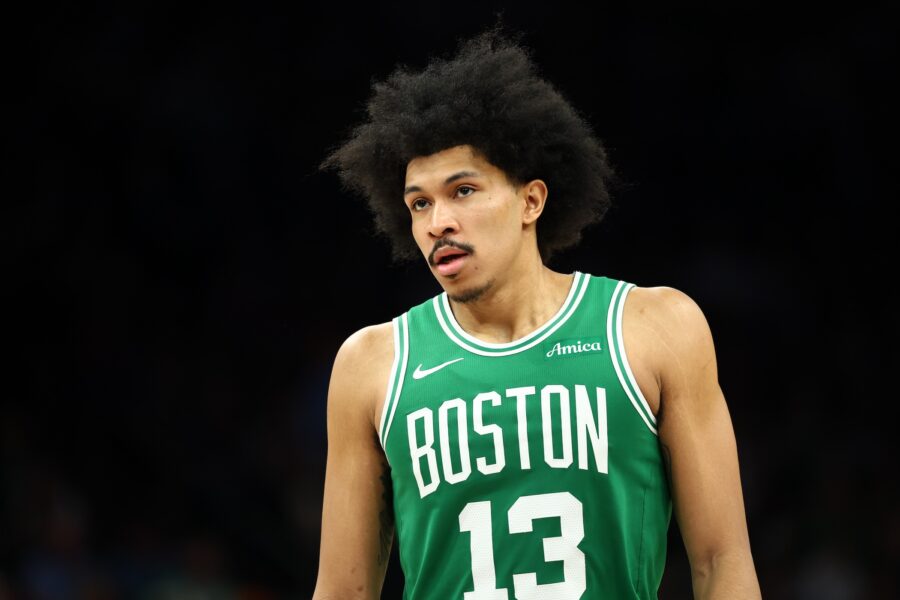
The Celtics have officially re-signed Ron Harper Jr. to a four-year contract worth approximately $13.7 million, declining his 2026/27 team option in the process and committing to him as a long-term rotation fixture. The deal, finalized July 6, represents a modest but deliberate investment in continuity—Harper exceeded his minimum salary range, a signal that Boston views him as more than a depth filler in its championship window.
Harper's trajectory shifted materially in the 2025/26 season. After joining Boston as a peripheral wing option, he evolved into a reliable perimeter defender tasked against opposing teams' best wings and guards. His net-positive impact in switching scenarios and his willingness to absorb physical playoff minutes made him a playoff asset in ways that box scores alone don't capture. The Celtics' decision to actively amend and extend—rather than let him hit the market—reflects internal confidence that the on-court fit and locker-room value justify the four-year commitment.
From a roster-construction standpoint, locking Harper into this deal addresses Boston's persistent need for wing depth without depleting cap flexibility. His salary sits comfortably below All-Star tier, freeing the Celtics to address other roster gaps (backcourt depth, rim protection) while maintaining continuity on the perimeter. The contract also eliminates uncertainty: Harper knows his role and role security, which historically improves consistency and decision-making in playoff rotations.
For prop-betting purposes, Harper's role crystallization matters more than his offensive volume. His minutes are now guaranteed to remain stable—expect 18-24 minutes per game in regular season play, scaling up to 25-30 in playoff rotations when matchup versatility becomes critical. This stability creates a floor on his availability that wasn't guaranteed under short-term deals. Fade speculation bets on his exit; instead, target his defensive counting stats (steals, steals+blocks) in playoff matchups, where switching frequency increases and his perimeter-guard assignments become more routine. His PPR (points + rebounds + assists) over/unders will hover in the 6.5-8.5 range; the key is deployment context—when Boston faces a team with multiple capable wings, Harper's floor time rises, lifting his ceiling prop outcomes.
The contract also signals organizational stability around the Boston core. Multi-year deals for role players with clear defensive identities are tools front offices use to lock in chemistry. In betting terms, this removes a variable from Celtics playoff pricing: their wing rotation is now predictable, which means their defensive switching schemes (a key efficiency driver in playoff tournaments) remain intact.