Nori to Portland: How a Defensive Architect Reshapes Blazers' Betting Profile
By Erik Schwartz ·
The Trail Blazers hired Minnesota's lead assistant to stabilize a franchise in flux, and the move rewires how bettors should calibrate team and player prop exposure.
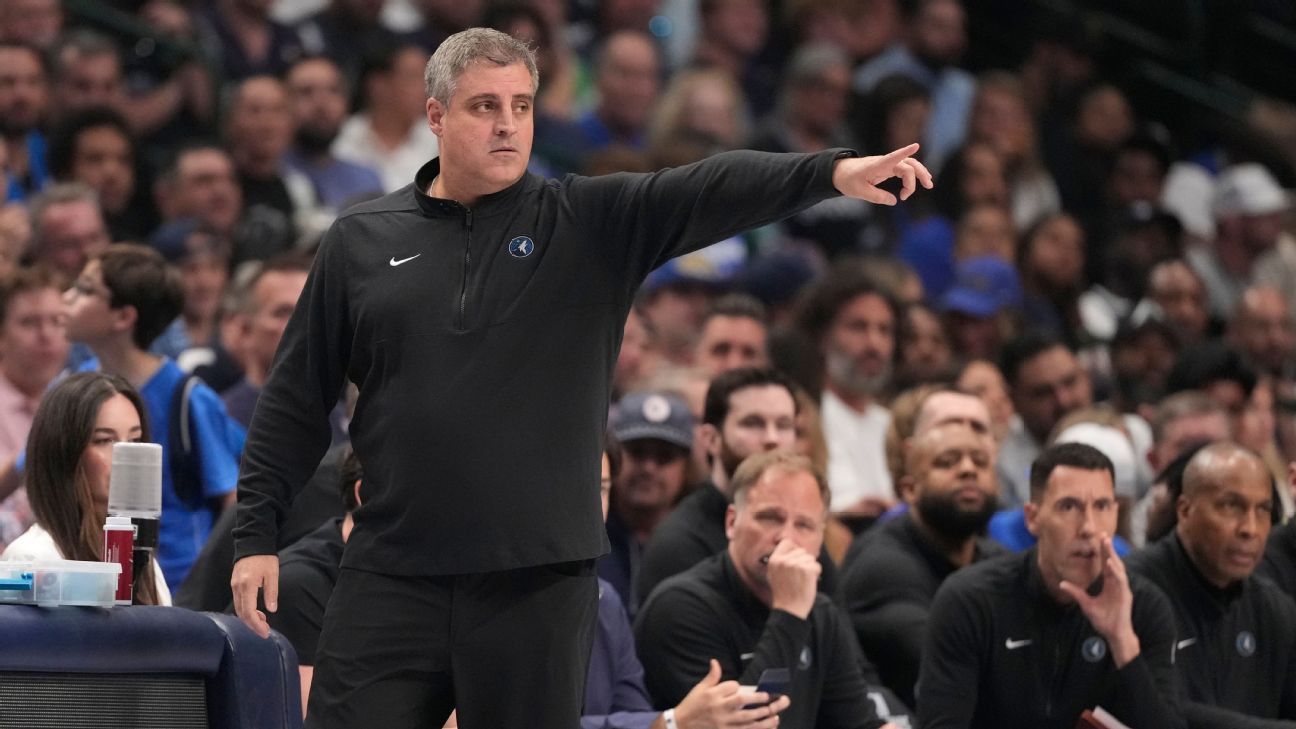
The Portland Trail Blazers announced Tuesday that they had hired Micah Nori, the Minnesota Timberwolves' lead assistant, as their new head coach. Nori spent five seasons in Minnesota under Chris Finch, during which the Wolves posted the fifth-best record in the NBA and made five playoff appearances. He signed a multi-year deal with team options and incentive-based salary escalators—a structure that ties compensation to on-court results, signaling Portland's commitment to measurable improvement rather than speculation on potential.
Nori's arrival matters for Blazers modeling because he brings a track record built on defensive infrastructure and off-ball discipline. In Minnesota, he handled mobility-dependent in-game coaching duties during Finch's 2024 injury recovery, meaning he's operationally tested under playoff pressure. His previous stops—Toronto, Sacramento, Denver, and Detroit—span some of the league's most defensively rigid systems. Portland ranked 19th in defensive rating last season and cycled through three head coaches in two years. The Blazers didn't hire Nori for flash; they hired him for systematic credibility.
For bettors, the coaching change triggers a specific recalibration. Defenses built on Nori's model typically compress spacing and force higher perimeter usage to generate mistakes rather than live-ball steals. This doesn't mean Portland becomes an elite defense overnight—talent gaps matter—but the shift from free-form chaos to structured principles compresses variance in opponent scoring. Teams don't suddenly score 8 fewer points per night, but games stop producing the 128–95 blowouts and 115–112 squeakers with equal probability. The Blazers' team total line should tighten around 107–109 range (down from the 110–112 zone they occupied last season), and the spread volatility in their games should narrow.
Where the edge emerges: look for unders on Portland team totals in games against switching-heavy offenses in the first 10 games of next season. Nori's systems punish isolation-reliant scorers, and the market won't immediately price that adjustment. A team like the Timberwolves or Celtics, which can thrive in pick-and-roll environments, will still move the needle on their own offense. But mid-tier offenses—the kind that live on pick-and-roll hunting and high-volume three-point attempts without elite rim protection—will face friction. Blazers unders at 107–108 in those matchups carry edge when the line initially settles at 109–110.
One caveat: Nori's arrival is a process, not an on-switch. Portland's roster lacks the defensive versatility Denver and Toronto deployed. The effect compounds over months, not weeks. Early-season props favoring volatility (overs on Damian Lillard's usage when defenses scheme to contain him, overs on bench ball-handlers' turnovers in low-structure lineups) should fade as the staff embeds. By December, treat Portland's defensive rating like a gradual 2–3 point decline from last year—meaningful, not transformational.