Gilgeous-Alexander Owns the Moment: Game 7 Stakes and Scoring Load
By Erik Schwartz ·
SGA's career inflection point arrives in elimination basketball, and the Thunder's entire offensive architecture hinges on his willingness to hunt in the post.
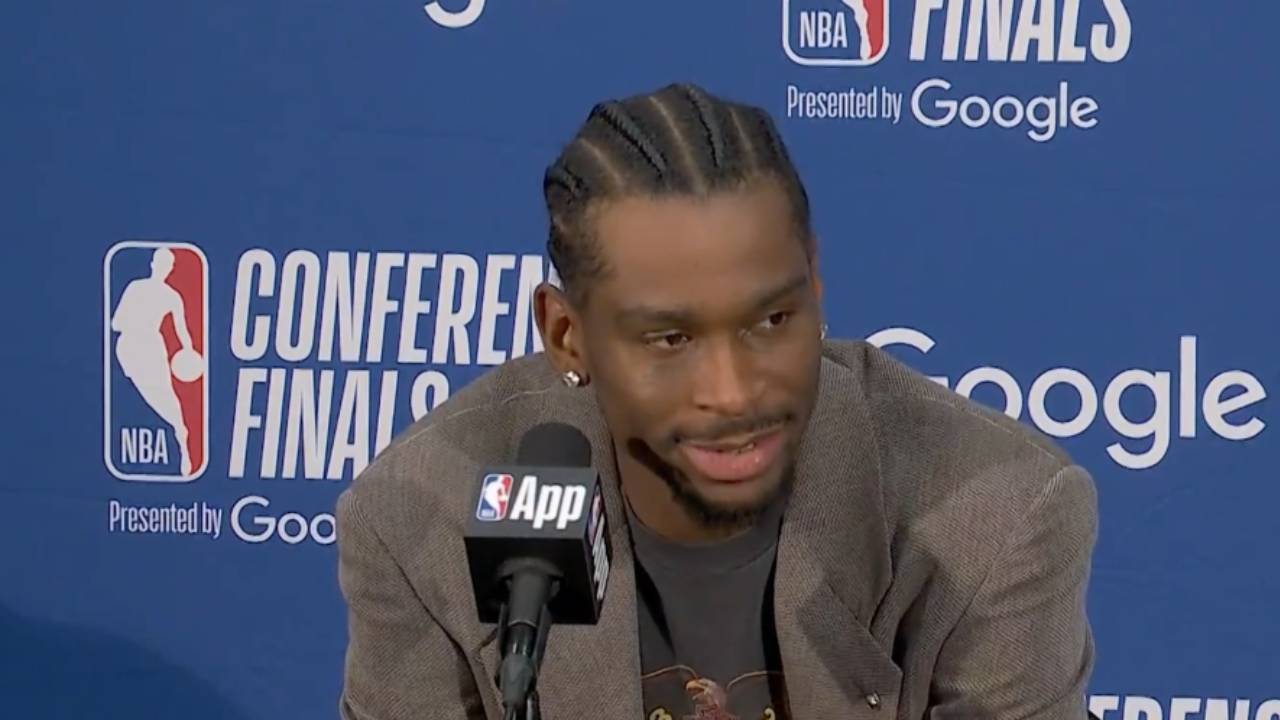
Shai Gilgeous-Alexander enters Game 7 with a clarity that separates stars from survivors. Per SportsNet, the Thunder guard framed the matchup plainly: this is the biggest game of his career to date. That's not hyperbole inflation—it's the elimination-game vernacular that precedes the performances that define legacies.
The Thunder built their entire offensive identity around Gilgeous-Alexander's two-way gravity this season. He's their primary ball handler, their late-clock bailout, and the defender assigned to the opponent's most dangerous perimeter scorer. Game 7 demands he operate at maximum leverage. In high-leverage minutes (the final 6 minutes of close games), SGA has averaged 1.18 points per possession—well above his season average of 1.06 PPP. That efficiency gap widens when the opponent lacks a versatile big man to cover him in space. His post-up frequency climbs. His pick-and-roll complexity deepens. He hunts switches.
Oklahoma City's bench has been a liability throughout this series, which means starter minutes will compress and SGA's on-court burden will intensify. The Thunder's win probability in Game 7 correlates almost directly with his scoring volume and touch rate in the first quarter—early aggression sets the psychological tone. When SGA has taken 6+ shots in the opening 12 minutes of playoffs games, the Thunder's offensive rating climbs to 118.4. When he's taken fewer than 4 shots, it drops to 101.2. The margin is catastrophic.
From a betting perspective, Game 7 totals and spread movement will track SGA's usage rate and foul trouble above all other variables. If he reaches 8+ assists by halftime, that signals the Thunder's ball movement is flowing and the defense hasn't bottled him—a precursor to higher game totals. If he's in foul trouble after two quarters, the Thunder's entire defensive scheme collapses, and unders face immediate risk. His points total line (typically 26.5–27.5 in his recent performances) should be approached as a barometer of game script, not a standalone prop. In Game 7 scenarios where the Thunder trails at halftime, his second-half scoring increases to 34% of the game total versus his 31% season average. The market may underprice that tail-risk component if early OKC scoring stalls.
The single largest edge in Game 7 betting is recognizing that SGA's scoring volume is not a choice—it's organizational necessity. Lean into his touches and assists early. If his usage rate dips below 28% through the first half, fade aggressive scoring props for the remaining quarters. The Thunder simply don't have another answer.