Beasley Pleads Not Guilty in Federal Gambling Case; What the Indictment Reveals About Match-Fixing Mechanics
By PropBetEdge Editorial Team ·
The Malik Beasley case exposes a direct pipeline from player debt to altered performance in discrete prop bets, forcing sportsbooks and bettors to reckon with a new operational reality.
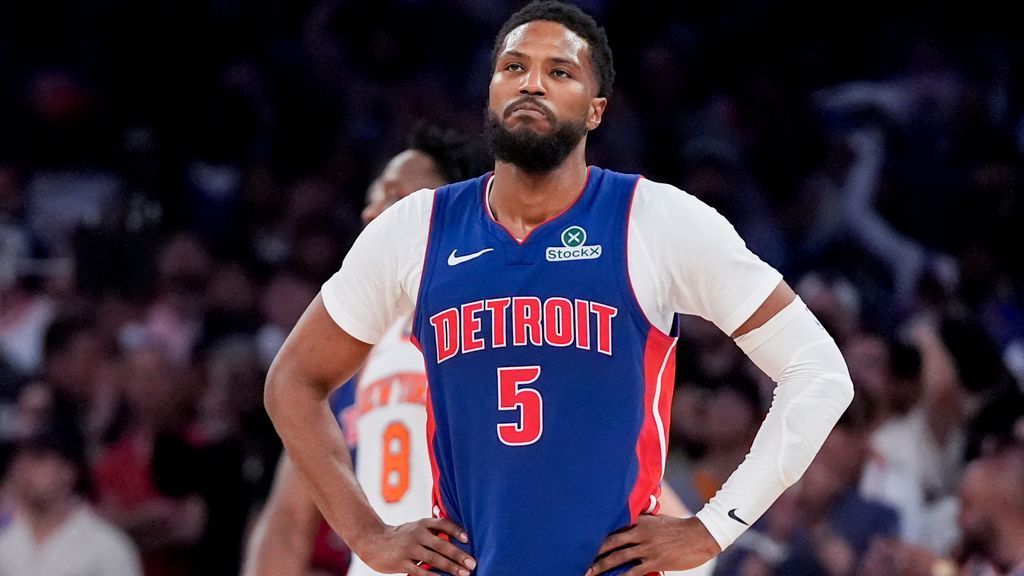
Malik Beasley entered a not-guilty plea Wednesday in Brooklyn federal court to charges that he manipulated his play in at least four Milwaukee Bucks games during the 2024 season to benefit sports bettors and settle his own gambling debts to former teammate Ed Davis. The indictment unsealed this week paints a granular picture of prop-bet fixing: Beasley allegedly targeted low-volume stats—rebounds, three-pointers—where his individual leverage is highest and market surveillance is thinnest. In one March 2024 game against the Clippers, prosecutors say Beasley secured his fourth rebound with 2 seconds left, triggering a 3.5 rebound-total over, netting coordinated bettors $3,252 and $2,107 profits respectively while other bettors who misread the signal lost money.
The mechanics here matter more than the headline. This isn't a point-shaving scandal from the 1950s or a referee-fixing case. Beasley's alleged targets were player props isolated from team outcome—a rebound line, a three-point makes line, assist totals—where the books' exposure and sharp-bettor scrutiny is lower than on spreads or team totals. The indictment shows Davis explicitly texting Beasley game plans, debt-reduction incentives flowing in real time, and bettors timing their wagers based on Beasley's willingness to over- or underperform. This wasn't amateur fixing; it was coordinated, transactional, and embedded in a debt-collection instrument.
Beasley's financial hemorrhaging is the accelerant. Prosecutors document millions in gambling losses, a $1 million default judgment from a sports marketing agency, disputes with a Detroit landlord, a Milwaukee barber, a Minnesota dentist. When a 29-year-old professional athlete is drowning in debt and a co-conspirator offers to eliminate it in exchange for performance alterations on discrete props, the incentive structure is airtight. Beasley sat out the entire 2025-26 season rather than play under investigation; he spent it in Puerto Rico with a Bad Bunny-backed team, far from NBA scrutiny.
For the betting market, the Beasley indictment weaponizes a structural vulnerability. Player props—especially rebounds, threes made, and assists on any given night—have become the fastest-growing betting category as sportsbooks fragmented the market into granular, easy-to-consume wagers. The books' algorithms rely on historical performance, season-to-date rates, and opposing defense profiles. None of that catches a player actively choosing to under- or overperform a specific line because his personal debt is on it. The indictment shows at least one bettor miscommunicating the scheme and losing money as a result; others got signals crossed and backed the wrong side. This isn't a one-off blip—it's proof that coordinated fixing on isolated props is operationally feasible and can create systematic winners and losers in the betting crowd.
The larger implication for prop markets is sobering. If a mid-tier NBA shooting guard with severe debt problems can alter his rebound or three-point shooting in specific games without triggering immediate algorithmic red flags, then every prop wager now carries an embedded counterparty risk that books haven't fully priced. The Beasley case demonstrates that fixing doesn't require conspiracy with officials, only alignment between an underpaid or overleveraged player and organized bettors with capital and patience. Sportsbooks will respond with enhanced monitoring and tighter lines on player props for younger, financially vulnerable athletes—but that adjustment will take weeks. In the immediate term, any bet on a player currently under financial or legal duress, or with known gambling history, carries elevated risk of adverse selection that the line doesn't yet reflect.