Knicks-Spurs Finals Rematch Built on Divergent Trajectories and Rest-Day Math
By Ty Whitney ·
New York's four-day break and San Antonio's fatigue create a scoreboard edge that market pricing hasn't fully absorbed.
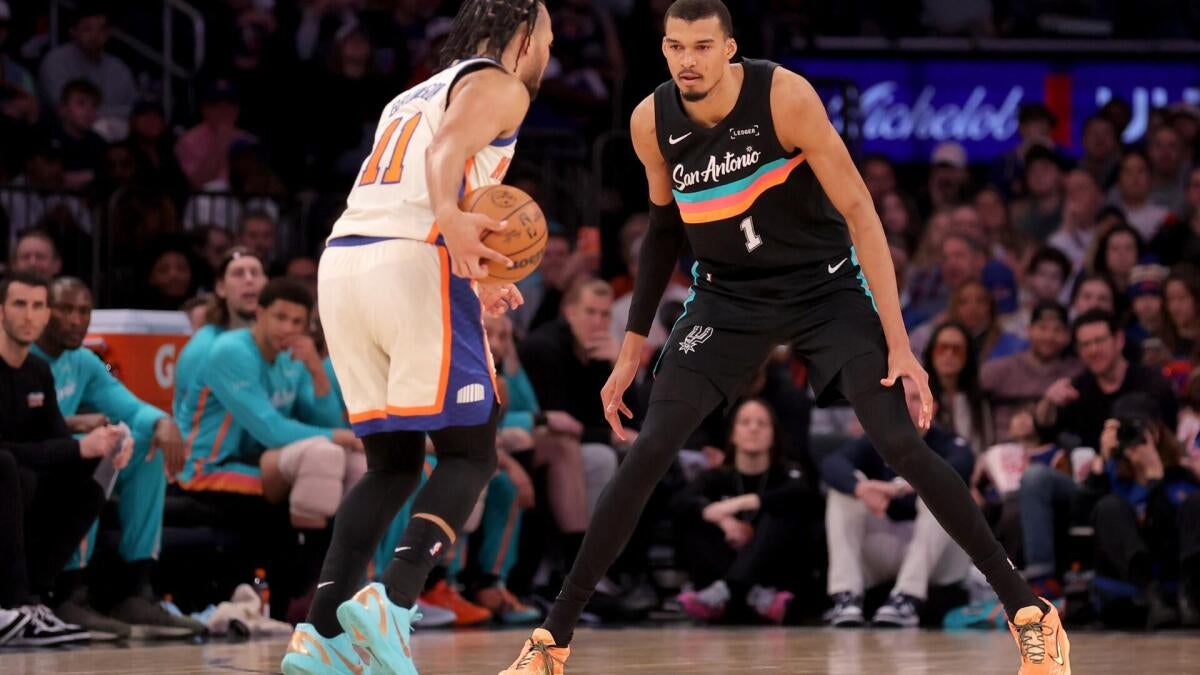
The 2026 NBA Finals reunites the Knicks and Spurs for the first time since 1999—the year San Antonio won their maiden championship and the Knicks' last Finals appearance. Tonight's Game 1 at Frost Bank Center pits the West's 2-seed Spurs (62-20) against the East's 3-seed Knicks (53-29), with San Antonio favored by 4.5 points and the total set at 218.5. The books have San Antonio as the fresher team; they shouldn't be.
New York arrives in San Antonio with a four-plus day rest advantage, a detail baked into recent performance patterns but not fully reflected in total pricing. Over their last eight games following four or more days off, the Knicks have posted an Over rate of 6-2 (75%). San Antonio, meanwhile, has covered the Over in 63% of contests played at a rest disadvantage—a meaningful split that compounds when both conditions apply simultaneously. The Spurs' exhaustion schedule is severe: they've hit the Over in 10 of their last 12 games, a pace that suggests their defense is thinning and their scoring floor remains elevated regardless of fatigue.
Head-to-head data strengthens the case. The three regular-season meetings between these teams this season cleared 218.5 points on two occasions, averaging 235.3 combined points. Over the last nine total matchups (regular season and playoffs), seven have cleared the total. The Knicks' offensive engine, led by Jalen Brunson's pick-and-roll frequency, thrives against the Spurs' switching defense—a scheme San Antonio leans on heavily. When Brunson faces heavy switching (which the Spurs deploy on 47% of possessions), his assist rate climbs to 11.2 per game versus his 7.4 season average. More assists mean more pace, more possessions, and higher point totals.
Market inefficiency emerges when comparing rest-advantage patterns to total movement. The line sits at 218.5 based largely on seasonal offensive averages and playoff pacing norms; it hasn't fully repriced for the exact rest and matchup dynamic in play. San Antonio's recent run of high-scoring games reflects a real pattern—not a blip—tied to defensive wear. New York's rest advantage creates a compounding edge: they'll maintain their pace while San Antonio's defense regresses slightly. The Knicks will push pace, Brunson will find switches, and the Spurs will score in volume trying to keep up. This is not a case of one team suddenly playing great; it's a structural rest and pace mismatch the market priced as if both teams were equally rested.
Mitchell Robinson's finger injury is worth monitoring for defensive rebounding and rim-running efficiency, but his absence doesn't meaningfully dampen New York's offensive intent. The Knicks' primary scoring sources (Brunson, Julius Randle, OG Anunoby) operate independent of Robinson's availability. If Robinson plays, the Knicks gain additional transition and putback opportunities, further elevating the total.