Knicks-Cavaliers Game 4: Why the Scoring Pattern Persists Even as Cleveland Faces Elimination
By Ty Whitney ·
The Knicks have pushed this series to the brink with a 10-game winning streak, but the offensive firepower on both sides suggests Game 4 will follow the high-volume path established across six regular-season meetings.
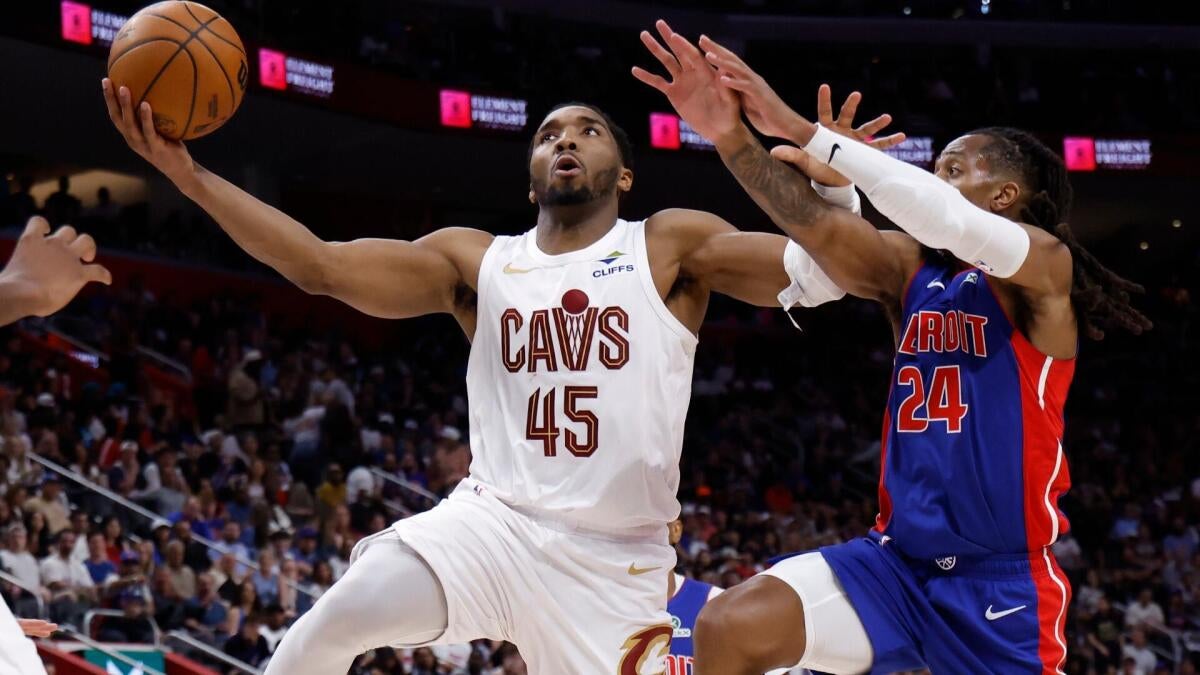
The Cavaliers enter Game 4 down 3-0 in the Eastern Conference Finals—the most dire playoff position in NBA history—and their path to forcing Game 5 requires not just a victory, but a fundamental shift in how both offenses operate. New York has won the last two contests by double digits and came back from 22 down in the fourth quarter to steal Game 1 in overtime, extending its winning streak to 10. The Knicks are 40 minutes away from their first Finals appearance since 2000. Yet beneath the blowout margins and the playoff desperation lies a stubborn offensive reality: these two teams have produced consistent point totals across every format this season.
The mechanical driver here is roster composition. Both Cleveland and New York rank in the top eight in scoring efficiency for the full season, and their combined offensive output—234.6 points per game in the regular season—sits well above the posted total of 218.5. The Over has connected in four of six regular-season matchups, including Game 3 of this series, which finished at 229 total points despite a blowout result. Over the last 11 games, Cleveland has crossed the Over in eight contests, while New York has done so in seven. In the 2026 playoffs specifically, these two teams are 18-10 combined on Over tickets. The offensive personnel hasn't changed. Jalen Brunson still runs the Knicks' offense through pick-and-roll actions that generate open looks for role players and lanes for his own drives. Donovan Mitchell and the Cavaliers still attack off the dribble and rely on floor spacing to create driving lanes. Elimination game urgency may cause both sides to push tempo—a common response when trailing in a series—but the fundamental architecture of how each offense functions remains identical to regular season.
What elevation game stakes often produce is not defensive tightening (both teams are already maximizing effort) but rather increased offensive rhythm and reduced half-court clutter. Elimination pressure can paradoxically smooth offensive execution: fewer possessions stall in dribble-handoff dead zones, fewer passes get overcut, fewer rotations collapse into isolation drag. Both offenses are efficient enough and deep enough in talent that pace increases and early-offense scoring opportunities are more likely than defensive lockdown. The Knicks are also playing in Cleveland, which removes home-court disadvantage fatigue from the equation.
The market opened the total at 218.5, roughly five points below the series average and three below Game 3. That adjustment reflects playoff tightening assumptions rather than any roster change. But elimination context combined with the persistent scoring pattern across six meetings—and eight of the last 11 Cleveland games—suggests the market is underweighting the offensive ceiling. The Over is not a regression bet or a variance play; it's a recognition that both teams have demonstrated the capacity to score at this volume in identical circumstances multiple times. Game 4 will feature the same players, the same schemes, and heightened offensive urgency. The closing price matters: if the total remains at 218-219, the edge lies with the Over. If it drifts to 220+, the angle flattens.
The spread at Knicks -2.5 reflects New York's series dominance and home-court advantage evaporation, but doesn't fully account for Cleveland's elimination desperation. A 3-0 down team has nothing left to lose and everything to prove; even historically the Cavaliers have talent and pedigree enough to steal one at home. The Over, though, transcends matchup variance. It's anchored to a six-game regular-season pattern and the personnel reality that neither defense can physically prevent both offenses from functioning.