Brandon Young's Quality Start Is the Orioles Rotation Lifeline They Desperately Needed
By PropBetEdge Editorial Team ·
Baltimore's pitching staff is a MASH unit right now — and a 27-year-old righty just bought it some breathing room.
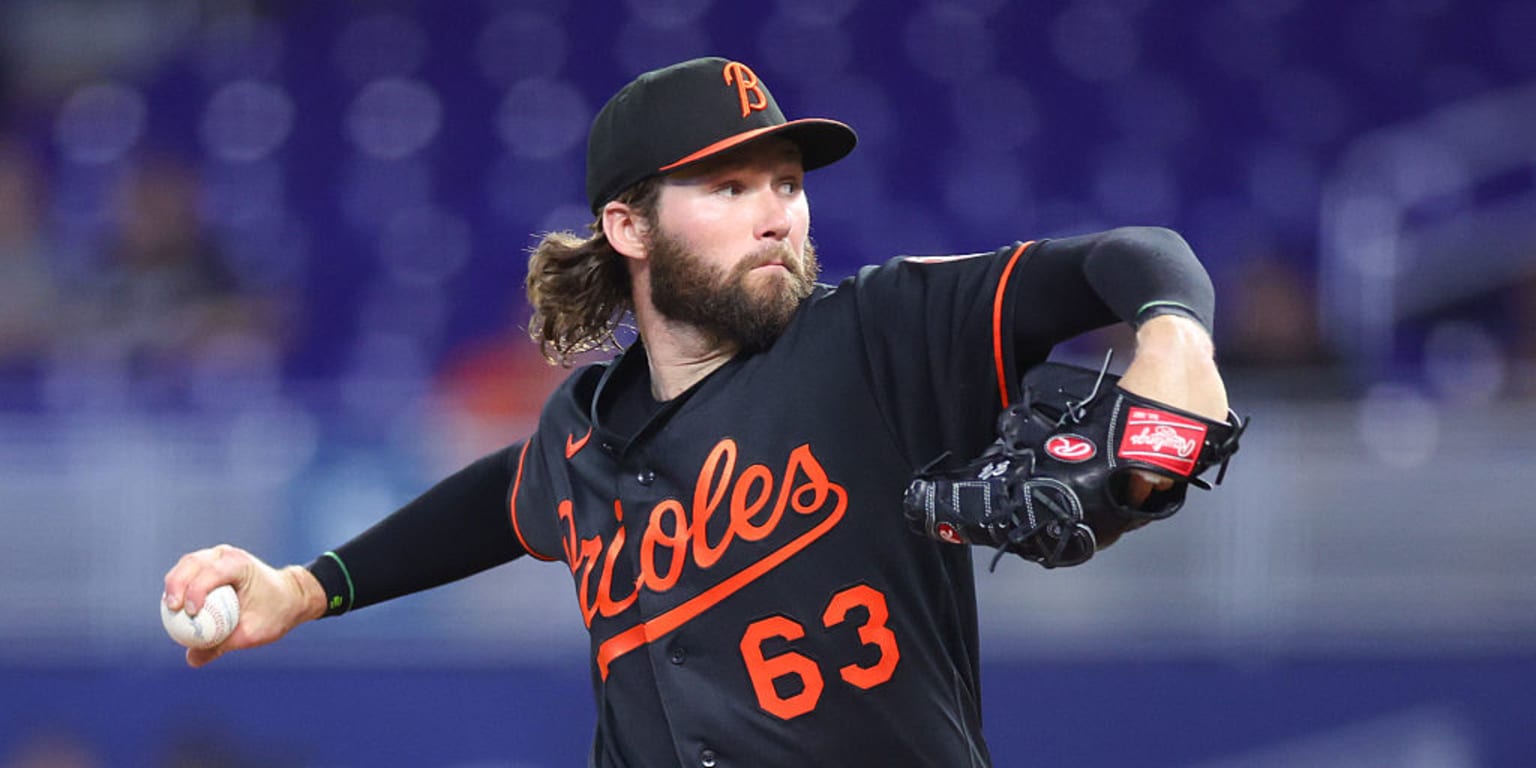
Brandon Young gave the Baltimore Orioles exactly what they've been starving for: a starter who didn't hand the ball to the bullpen by the fourth inning. In a 7-4 win over Miami on Wednesday at loanDepot park, Young turned in his first quality start of the 2026 season — six innings, four hits, five strikeouts, three earned runs — retiring 16 of the final 18 batters he faced after a shaky first frame. For a rotation that entered the night ranked 28th in ERA (4.98) and 25th in fWAR (1.3) while carrying seven pitchers on the IL, this was the equivalent of a defibrillator shock.
Young's arsenal told the story. He leaned on his four-seam fastball for more than half of his 93 pitches, averaging 94.6 mph with a 27% called-strikes-plus-whiff rate. After getting punished low in the zone early — Jakob Marsee's two-run double and Owen Caissie's RBI single did the damage — Young adjusted mid-game, elevating the heater and mixing his slider, curveball, and splitter to keep Miami's lineup off-balance. He's been expanding slider usage all season, and Wednesday showed why that development matters: he recorded punchouts with four different pitch types. His ERA now sits at 4.35 through four starts, trending in the right direction after he was lit up for 10 runs on nine hits against Houston in his previous outing.
Manager Craig Albernaz made a point that goes beyond the box score: pace matters. When a starter works fast and records quick outs, the offense stays warm, engaged, and off the bench instead of standing around watching pitch counts climb. That rhythm — starter efficiency feeding offensive momentum — is a real dynamic, and it showed Wednesday. Baltimore scored seven runs against a Marlins staff that has had its own struggles. The Orioles also rank second in MLB in slugging percentage against 95-plus mph fastballs and fifth in batting average against hard heat, which means when Young trusts his velocity and challenges hitters, his own defense plays better behind him.
From a betting standpoint, Young's performance reshapes how to approach Baltimore's next few team-total and first-five-inning lines. This rotation has been a liability all season, which has rightly pushed sharp money toward unders and fading Baltimore starters in the first five. But Young's adjustment — elevated four-seamer, improving pitch mix, mental resilience after a first-inning blowup — suggests his lines deserve a second look. His strikeout prop has been underpriced given the four-pitch punch-out capability on display; with five Ks Wednesday and a cleaner shape to his stuff, backing him to hit 4+ strikeouts in a favorable matchup is worth monitoring. That said, the rotation as a whole is still the 28th-best ERA in baseball — one quality start doesn't fix a staff-wide structural problem.
The Marlins, for their part, are a reasonable litmus test: Miami is not a lineup that will expose a bad fastball the way Houston did. Young's next two or three starts will tell us whether Wednesday was a turning point or a mirage. Until then, the Orioles team total remains a volatile number that swings dramatically based on which version of their rotation shows up. When Young is on the mound and working quickly, the over is worth a look. When he reverts to the Houston version, the under is the easy call. Context is everything — monitor his fastball velo and first-inning results as leading indicators before buying in.