Yoshida's Late-Inning Redemption Caps Boston's Series Win; Bullpen Depth Flexes Again
By PropBetEdge Editorial Team ·
After a crucial defensive mistake, Yoshida drives in two runs in a six-run sixth inning, and Boston's relief corps holds firm—a pattern worth tracking for under bettors.
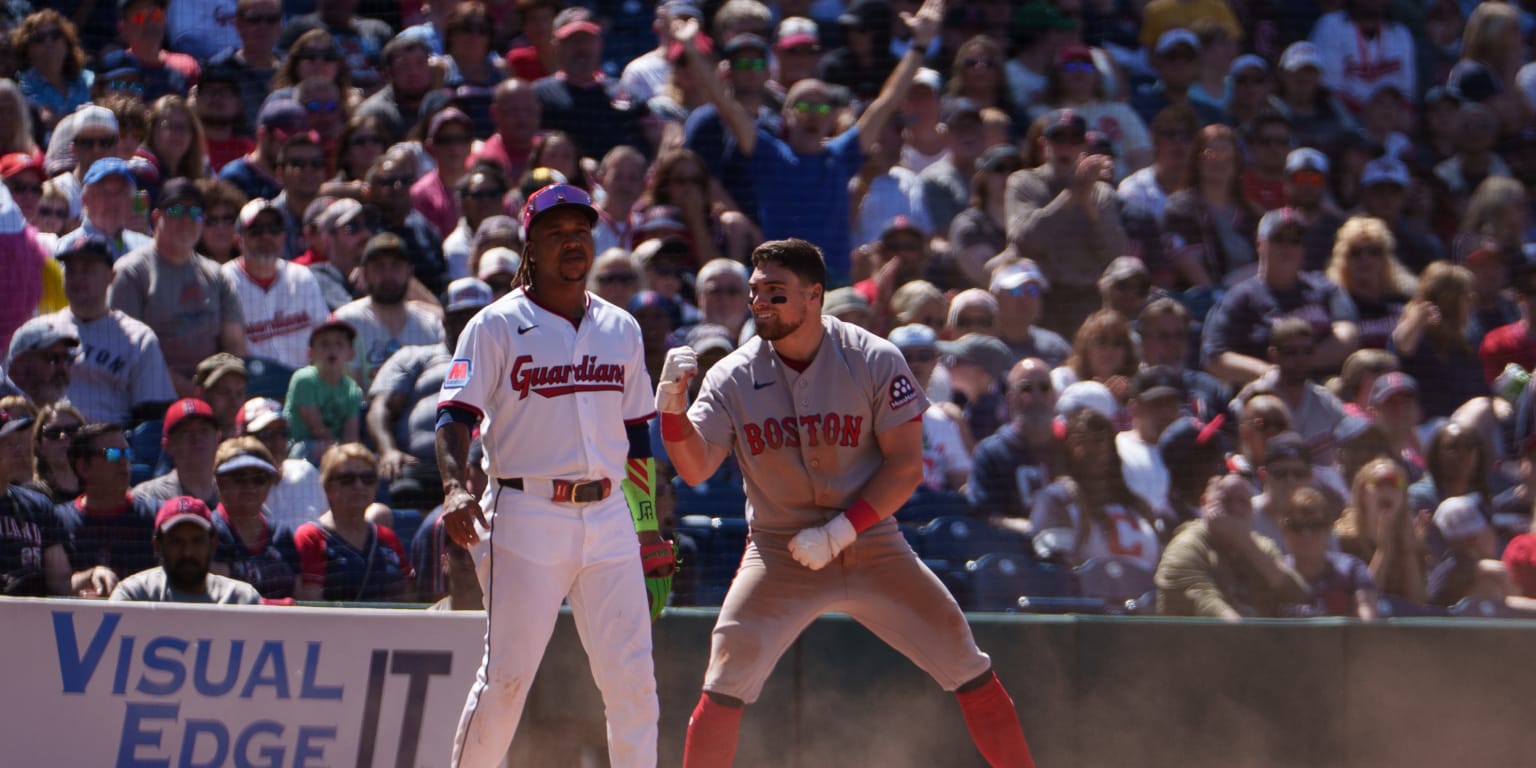
The Red Sox took Game 3 against Cleveland 9–4 on Sunday, clinching the series behind a late offensive explosion anchored by Masataka Yoshida's go-ahead two-run single in the sixth inning. The win came after a defensive lapse: Yoshida lost a flyball in the sun in the fifth, leading to a Guardians tying run and what became a José Ramírez double. By the sixth, however, Yoshida had atoned. His hit capped a six-run inning fueled by Wilyer Abreu's seven-pitch bases-loaded walk (which held up despite Cleveland's challenge window closing) and a two-run triple from Caleb Durbin, his first of the season. Jarren Duran's leadoff homer in the first had given Boston an early 1–0 cushion.
The mechanical story here is pitcher usage and sequencing. Ranger Suarez tied his season high with 10 strikeouts but couldn't survive the fifth inning after yielding eight hits in five innings of work. That's a familiar profile for Suarez this season: high K rate, elevated contact rate, short leash. Boston's bullpen—Jovani Morán, Tyron Guerrero, Greg Weissert, and Aroldis Chapman—then locked down four consecutive scoreless frames, the kind of back-end execution that defines series clinches. Chapman's involvement in a non-save situation is notable: the Red Sox trust him in high-leverage spots even when the margin widens, which signals confidence in depth.
For under bettors, this game illustrates a familiar Boston pattern. The Red Sox offense generated enough margin (9 runs) that the result was never in doubt after the sixth-inning barrage, even with Suarez's early exit. The bullpen did its job without drama. What matters for line movement and future games: Boston's relief corps has now strung together multiple scoreless frames in back-to-back contests, limiting damage from starter inefficiency. That's a structural advantage in a league where the under has tilted toward shallow final scores in games where the starter exits early and the bullpen inherits runners.
Yoshida's two-run single itself doesn't move his season metrics in any meaningful way—one hit in a blowout—but the sixth-inning sequence (seven-pitch walk followed by consecutive extra-base hits) reflects Boston's ability to punish middle relievers and exploit aggressive pitch sequencing by opponents. The Guardians exhausted their challenge, a small operational error that may have cost them innings. When a team leaves challenges on the table and the opposing bullpen is rested, those inefficiencies compound in the run column. The Red Sox will carry momentum into Fenway against Baltimore next Tuesday, a matchup where Boston's pen can again leverage short rest against AL East divisional rotation.
For prop construction, Suarez's strikeout total and Chapman's appearance odds deserve attention. Suarez will likely face a lower K ceiling in his next start if his pitch count creeps past 80 in the fourth inning; per his season pattern, teams pull him before he can reach his 10–11 K ceiling if he's already labored through a high-contact stretch. Chapman's involvement in non-save situations suggests the Red Sox are deploying him as a leverage weapon, not a save-dependent closer. Monitor the Orioles matchup for team total and bullpen strikeout props, especially if Baltimore continues to chase early counts.