Braves Hit 30 Wins on Bullpen Arbitrage: Why Weiss's Depth Strategy Resets the Over Market
By Ty Whitney ·
Atlanta's race to 30 wins hinges on a manager willing to burn relievers early and lean on bench bats late—a formula that inflates offensive variance and threatens team total unders.
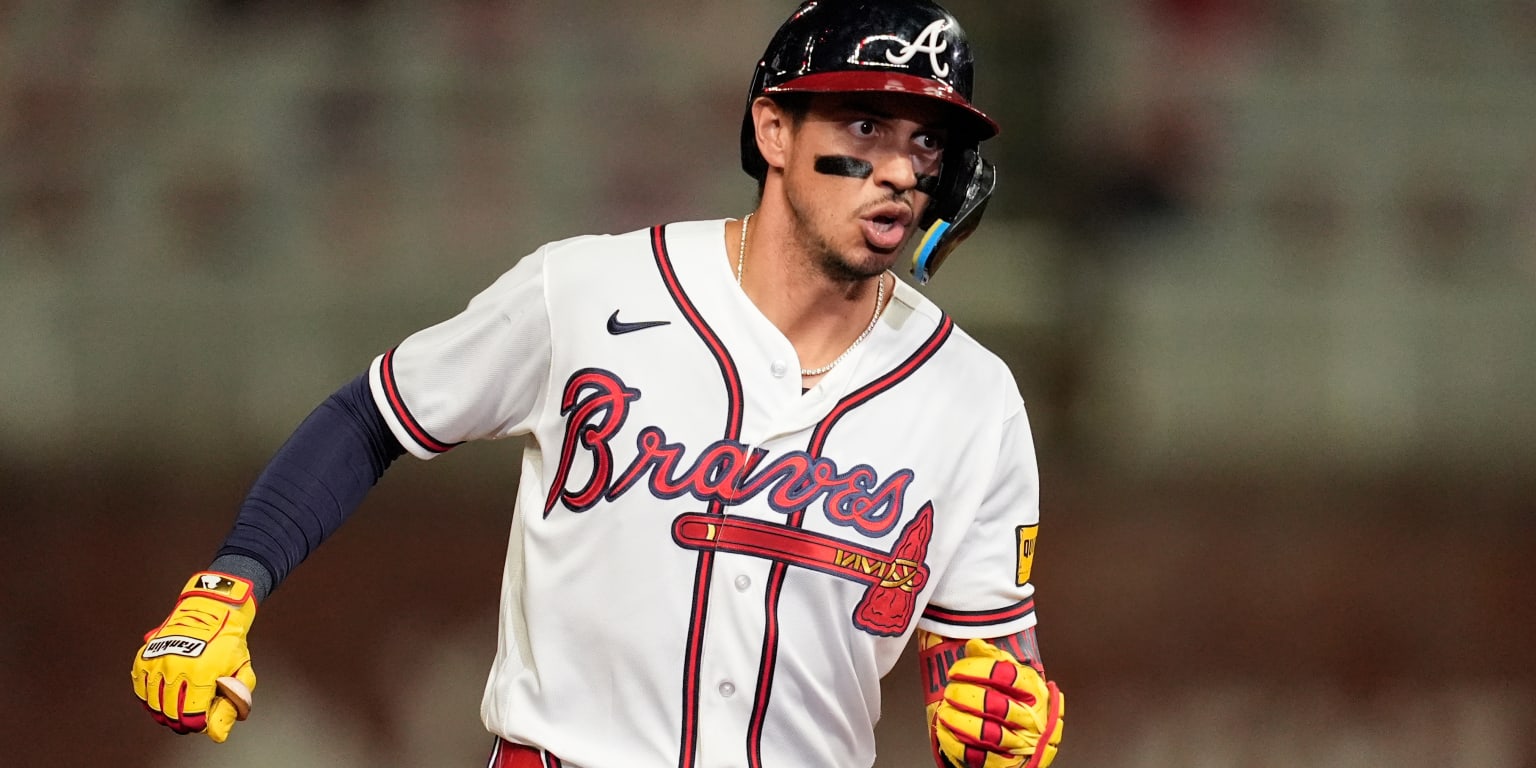
The Braves became baseball's first team to 30 wins Wednesday, dispatching the Cubs 4-1 behind a two-out double from Mike Yastrzemski and a two-run homer from Mauricio Dubón. The game itself was unremarkable—a mid-May victory over a struggling opponent. What matters to a sportsbook is how manager Walt Weiss got there. His bullpen deployment wasn't a reaction to circumstance; it was strategic architecture designed to preserve high-leverage arms for Thursday and beyond, even as his starters cratered in back-to-back games, working less than five innings each night.
Weiss pulled Martín Pérez after 12 pitches in a scoreless sixth inning. Not because Pérez was gassed or ineffective—his ERA sits at 2.31 over 35 innings—but because Weiss had already burned three relief innings Tuesday and calculated that Wednesday's matchup gave him permission to torch Dylan Lee, Robert Suarez, and closer Raisel Iglesias. That trio has a combined 0.53 ERA over 51⅓ innings. The math was simple: win today, reset the bullpen calendar for Chris Sale's start Thursday. This isn't luck. It's deliberate leverage compression that creates artificial offensive opportunity in the eighth and ninth innings because Weiss knows his relief depth allows him to stay aggressive in close games.
Yastrzemski, who had limped into this series with a .516 OPS through 125 plate appearances, was yanked off the bench to pinch-hit with two outs in the eighth. In a typical game script—one where the bullpen is stretched thin—he stays on the bench. Instead, the Braves got a go-ahead double. Dubón followed with a two-run shot off Phil Maton. Both at-bats happened because Weiss's bullpen depth permitted him to stay in attack mode rather than hunker down and protect a thin lead. The Braves have 11 relievers capable of handling multiple innings. That inventory, combined with Weiss's willingness to use them early, means the Braves will manufacture more late-inning offensive variance than their talent baseline alone would suggest.
For prop betting, this creates a durable edge: Atlanta's team totals have been set assuming neutral bullpen deployment and standard pinch-hitting patterns. Instead, Weiss operates a high-octane relief carousel that elevates the Braves' ability to score in the seventh inning onward. Over a 162-game season, the gap between a manager who hoards relievers and one who deploys them aggressively can swing 8-12 runs per 100 games in team totals. The Braves' early 30-win pace suggests they're running at roughly 115 projected wins; much of that surplus comes from games where Weiss's bullpen choices unlocked an extra run or two. Books priced Atlanta's overs assuming pedestrian managerial patterns. They didn't price in a manager who will burn a 0.53 ERA relief trio in the eighth inning of a mid-May game against a 15-25 team to preserve optionality for Thursday's Sale start.
Acuña Jr. remains a drag (.740 OPS in 34 games), but Olson is an MVP-caliber asset and the depth—Pérez, Dubón, Yastrzemski as a spare bat—fills in the margins. The ceiling for this team is real. The market hasn't yet reconciled that Weiss's risk tolerance in bullpen usage translates directly into higher offensive output in situations where books still assume conservative pinch-hitting and late-game score compression.