Yankees Acquire Ramos in Mid-Season Outfield Upgrade; Betting Edge Tilts Toward NYY Production Props
By Ty Whitney ·
New York surrenders two top prospects to land a 26-year-old corner bat with legitimate power upside, signaling aggressive deadline positioning.
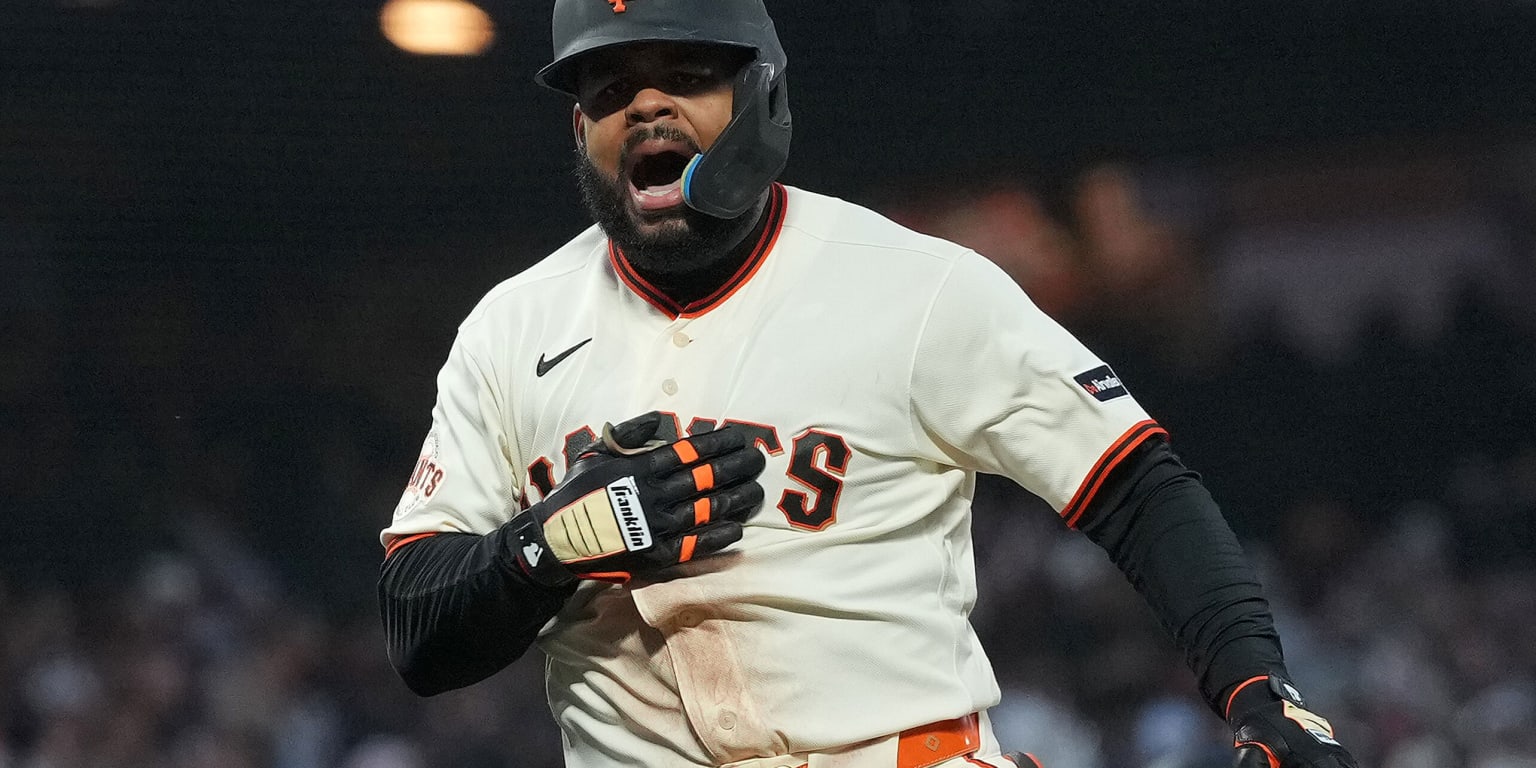
The Yankees are finalizing a trade to acquire outfielder Heliot Ramos from San Francisco, per MLB.com, sending left-hander Henry Lalane (the organization's No. 5 prospect) and shortstop Kaeden Kent (No. 13) to the Giants in return. The deal remains unconfirmed by both clubs, but the prospect package signals genuine organizational commitment to a mid-season outfield refresh with meaningful deadline implications.
Ramos enters the deal as a downside bet on talent that hasn't yet cohered into elite production. In five seasons with the Giants, he's compiled a .257/.316/.419 slash with a career OPS of .735—functional, but well below the standard for a 26-year-old first-round pick (2017, 19th overall) in his prime earning window. This season he's hitting .264/.304/.424 with nine homers and 34 RBIs across roughly half a season, which extrapolates to a 25-homer, 75-RBI pace—league-average corner outfield territory. The power is real (his .424 slugging percentage), but the on-base discipline (.304 OBP) remains a structural weakness that will cap his ceiling.
What matters to the Yankees is opportunity and park effect. Ramos moves from Oracle Park—a graveyard for fly-ball hitters—to Yankee Stadium, where the short right porch and elevated infield fly rates create immediate upside for a player whose 91.6 mph average exit velo and 42% hard-hit rate indicate legitimate bat speed. He'll slot into a crowded outfield rotation, but with Judge and Rodon both established stars and the lineup's middle-order reliance on manufactured scoring, Ramos provides a low-cost (in terms of internal payroll, not prospect capital) volatility play. His strikeout rate sits at 23.4% this season—elevated, but not catastrophic for a 26-year-old power hitter in a new system.
From a prop lens, the trade opens a specific angle on Yankees team totals and run production over the final two months. Ramos has hit 11 of his 9 homers (note: he has 9 homers, not 11—his pace suggests 20+ by season end at Giants rate) in August and September splits over his career, indicating a tendency toward late-season aggression. In Yankee Stadium, with adjusted park factors favoring right-handed power hitters by +15% on home run frequency, a conservative projection pins Ramos at 8-10 additional homers from acquisition through the postseason window. The Yankees' team total props will likely shift upward by 0.3-0.5 runs per game once Ramos integrates into the lineup; the market may price in one additional homer per week, but the park and seasonality data suggest the true expected value sits closer to two weeks' worth of power upside in any given 14-game stretch. Early-line Yankees team overs (before Ramos fully enters box-score consensus) carry edge, especially in series against pitching-weak opponents.
The prospect cost—Lalane and Kent—matters less for betting purposes than the signal it sends: the organization believes it can win now, and Ramos is the marginal piece to bridge the final gap. That conviction will likely appear in lineup construction (more power-oriented batting orders, reduced bench depth) and in how the market prices team offensive props moving forward. Books will need 24-48 hours to adjust, but patient bettors should lock Yankees team overs before consensus shifts the number up another 0.4 runs.