Rodón's Early Exit Exposes Yankees' Bullpen Vulnerability in May Skid
By Erik Schwartz ·
Carlos Rodón's abbreviated return from elbow surgery forced the Yankees to burn 13 relief innings in a loss that deepened their May collapse, raising questions about pitching depth and offensive execution with runners in scoring position.
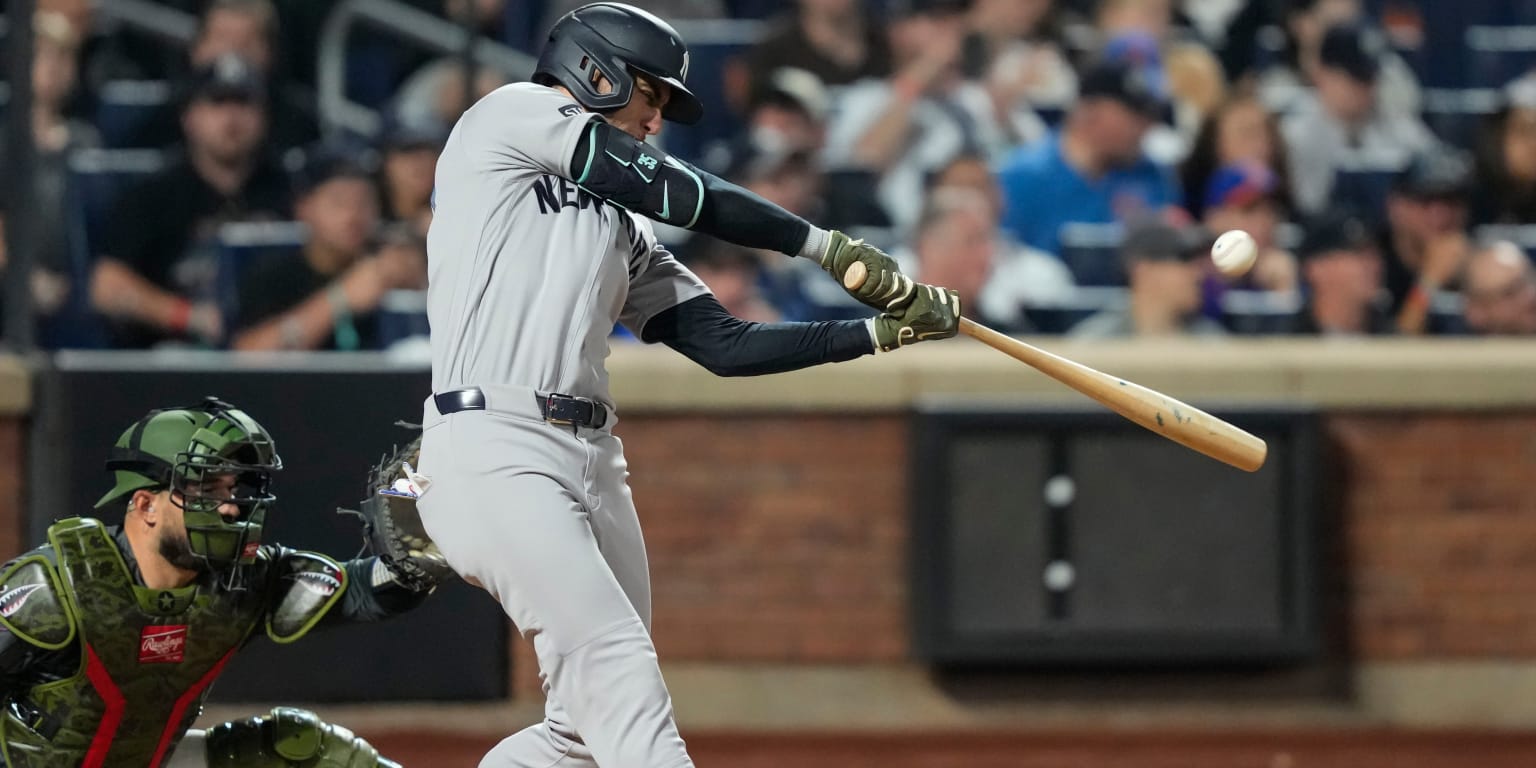
The Yankees entered Saturday's Subway Series matchup at Citi Field with momentum fractured—seven losses in their last ten games after opening May with five straight wins. They caught a break early when a Mets error put runners in scoring position with a chance to build an early lead. Instead, they walked away with one run, then spent the next four innings watching Carlos Rodón deteriorate on the mound. The veteran left-hander, now just five weeks removed from offseason elbow surgery to remove bone chips, lasted only four innings, surrendering three runs on a wild pitch that turned into a two-run error and a run-scoring double. The damage: three runs, two outs, control slipping.
Rodón's abbreviated outing forced the Yankees to lean on their bullpen for 13 of 27 outs—an unsustainable tax on a relief corps already stretched thin by the team's recent inconsistency. Luke Weaver did his part, escaping a bases-loaded jam with none out in the sixth inning by striking out Amed Rosario and Trent Grisham before forcing an Anthony Volpe grounder. That kind of leverage relief is exhausting to deploy repeatedly, and Saturday's game was a reminder that depth matters. The Mets, meanwhile, controlled the game after the fourth inning, scoring another run on Brett Baty's two-out double and never allowing the Yankees to close the gap despite a Paul Goldschmidt RBI single in the fifth.
The mechanical issue is clear: Rodón isn't fully ramped. Five weeks post-surgery isn't standard recovery time for a pitcher returning to mid-season form, and his command—specifically the errant wild pitch and offline home-plate throw—tells the story of incomplete conditioning. The Yankees gambled that starting Rodón in a meaningful game against division competition would accelerate his timeline. Instead, they burned a relief game they couldn't afford, dropped to 6-3 on the night, and deepened a May narrative that's beginning to feel structural rather than cyclical.
From a betting lens, this matters in two directions. First, Yankees game totals should trade higher when Rodón is in the lineup for the foreseeable future—not because he's bad, but because the Yankees will need to generate more offense to compensate for shorter leashes and earlier bullpen usage. The team's recent May under-performance (seven losses in ten) has crushed its run-production average during this stretch; backers who've been fading Yankees totals based on recent form have had the right logic, but that logic is now stacking against them. Second, Rodón's strikeout prop should be treated as volatile. He was pulled at 68 pitches, which limited his K upside Saturday; if he's on a similar pitch count in upcoming starts, any line pricing him above 6.5 strikeouts should be faded. The path to a full Rodón return goes through multiple starts where he reaches the fifth inning without critical errors—and that timeline isn't here yet.