Lagrange's Triple-A Heat Wave: Prospect Velo Spike Carries Limited MLB Bet Signal
By Erik Schwartz ·
The Yankees' No. 4 prospect hit 103 mph in a Triple-A start, but minor-league velocity spikes rarely persist once a pitcher faces big-league competition.
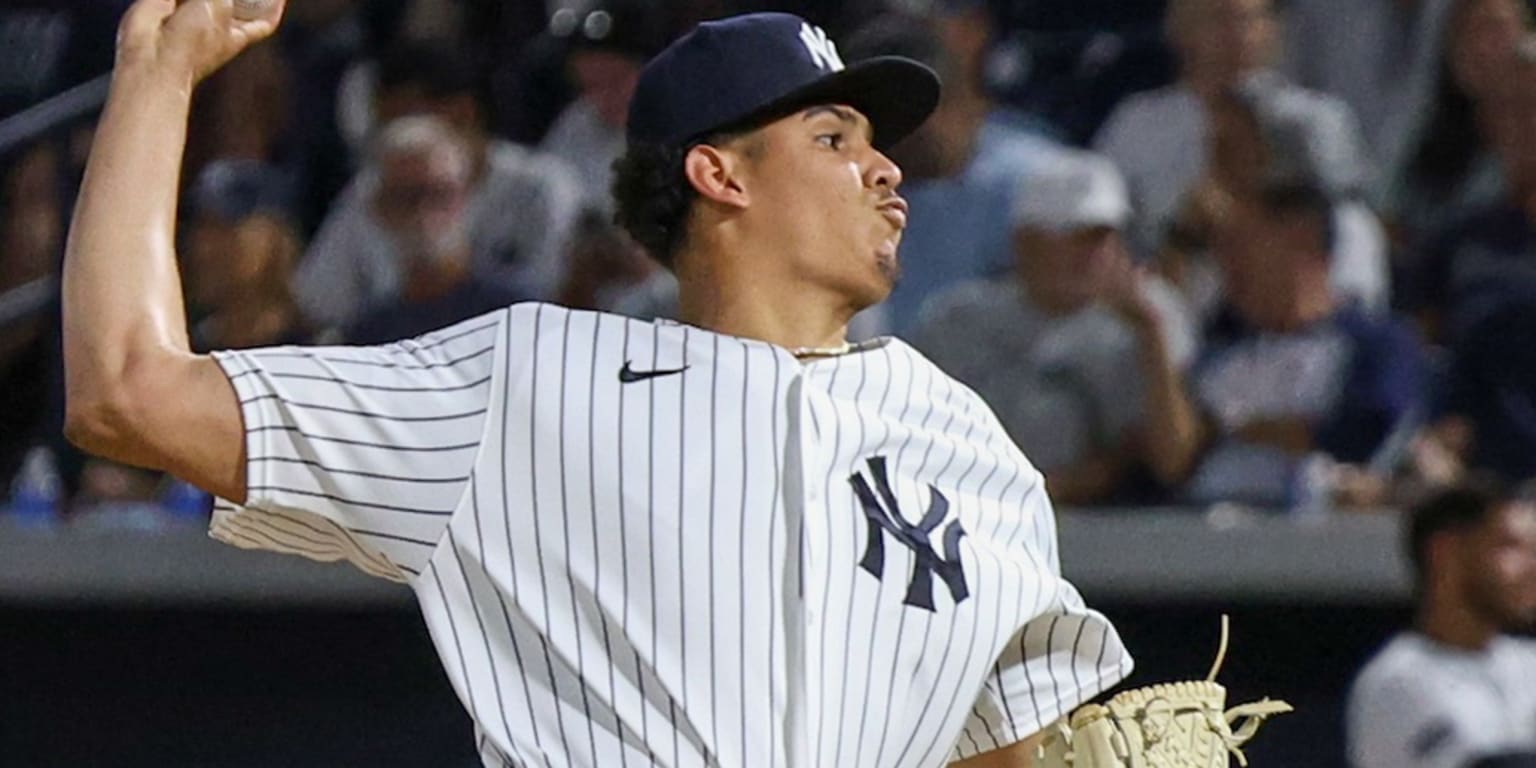
Carlos Lagrange fired the fastest pitch of Triple-A baseball in 2025 on Sunday—a 103 mph fastball that froze Mets infielder Jackson Cluff in the second inning of Scranton-Wilkes-Barre's 5-3 win over Syracuse. The 22-year-old right-hander didn't stop there. He now owns eight of the 10 fastest pitches thrown at the Triple-A level this season and 14 inside the top 20, a dominance that suggests he's either in the form of his life or benefiting from a venue and competition tier where pure heat travel differently.
Lagrange's outing was mechanically clean: six strikeouts, 11 swings-and-misses, five innings of work against a position player forced to hit in relief. The underlying metrics—a 4.23 ERA and 38⅓ innings pitched to date—tell a murkier story. Triple-A run prevention is a noisy signal because it blends prospects on the cusp of call-ups with organizational depth and organizational rehabbers. Lagrange's velo spike happened in warmer weather (temperature does inflate fastball readings by 1-2 mph), and the Mets' batter pool at Syracuse is the least relevant competitive bar. Even Eduardo Henriquez, the Dodgers' comparable from 2025, posted a 104.3 mph top-line number in August before regression set in once he faced aligned lineups.
For Yankees bettors, the prop angle hinges on whether Lagrange's heat translates to strikeout leverage in the majors. A 103 mph fastball is elite-adjacent at the MLB level, but it's only a bet signal if it coexists with command and pitch sequencing. Lagrange's 1:1 walk-to-strikeout ratio in Triple-A (6 K, 1 BB across 38⅓ innings) masks volatility—one bad outing inflates the denominator fast. His current strikeout rate doesn't yet warrant major-league prop exposure; the Triple-A dominance is real but narrowly constructed around his peak velocity rather than sustained performance. Until he faces middle-of-the-order big-league hitters or establishes a higher-confidence minor-league K rate (8+/9 innings over 50+ innings pitched), his velo headlines are prospect news, not betting news.
The machinery is sound, and the Yankees' internal valuation—holding him at No. 4 in their system after three years of development—suggests they believe the package works. But prospect velocity spikes in late minor-league season rarely hold in the majors. A batter who checks his swing on a 103 mph fastball at Triple-A doesn't have the same reaction time as a Jason Dominguez or Kyle Schwarber reading it from the same mound distance. Lagrange's path to MLB leverage is real, but it's a 2026 story, not a 2025 betting opportunity.